

FootPrint Wood Scrapers
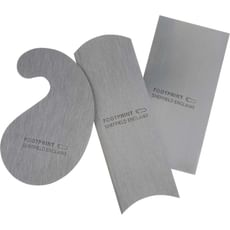
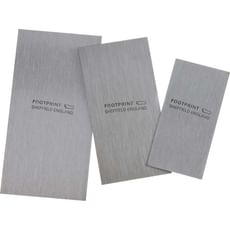
 Loading...
End of content
Error - No more pages to load
FootPrint Wood Scrapers at Tooled-Up.com
FootPrint has been a cornerstone of British tool manufacturing since 1879, and their wood scrapers represent over a century of Sheffield craftsmanship and metallurgical expertise. Hand-forged in Sheffield using traditional techniques combined with modern quality control, FootPrint wood scrapers are renowned for their exceptional edge retention, precise tolerances, and the distinctive tactile feel that only traditionally forged steel can provide. Each scraper is carefully heat-treated to achieve the optimal balance between hardness and durability, ensuring tools that can be honed to a razor-sharp edge and maintain their performance through demanding professional use.
The FootPrint wood scraper range available from Tooled-Up.com encompasses cabinet scrapers, hand scrapers, and specialist profiles designed for fine woodworking, furniture restoration, and precision joinery work. These tools are particularly valued by craftspeople who require the ultimate surface finish without resorting to abrasives, preserving the natural character of fine hardwoods whilst removing tool marks, tearout, and minor surface imperfections. The carbon steel construction allows for easy resharpening and burnishing, with edges that can be restored to full working sharpness in minutes using traditional techniques.
FootPrint's commitment to maintaining traditional manufacturing methods in Sheffield means each scraper benefits from the expertise of skilled craftspeople who understand the nuances of tool steel behaviour. This heritage approach, combined with rigorous quality assurance, ensures consistency across the range and tools that represent genuine value for professional woodworkers and discerning DIY enthusiasts who appreciate the difference that properly forged tools make to their work.
Why Choose FootPrint Wood Scrapers?
FootPrint wood scrapers stand apart through their authentic Sheffield manufacture – these aren't simply branded imports but genuinely British-made tools forged from high-carbon steel using time-honoured techniques. The hand-forging process creates a denser, more uniform grain structure in the steel, resulting in edges that hold their sharpness longer and can be brought back to working condition more easily than pressed or stamped alternatives. This manufacturing heritage translates directly into superior performance at the workbench.
The reputation FootPrint has built among cabinet makers, luthiers, and restoration specialists stems from the consistent quality and predictable behaviour of their scrapers. Users report that FootPrint scrapers burnish cleanly, hold their hook edge through extended work sessions, and provide the tactile feedback necessary for precision work on figured woods, veneers, and delicate surfaces. The steel composition is specifically optimised for scraping applications rather than being a compromise suited to multiple tool types, meaning these scrapers excel at their intended purpose.
Value represents another compelling reason to choose FootPrint. Whilst premium-priced compared to basic alternatives, FootPrint scrapers offer decades of service when properly maintained, making them a sound investment for anyone serious about fine woodworking. The ability to reshape, sharpen, and restore these tools repeatedly means they often outlast their owners, with many vintage FootPrint scrapers still in daily professional use after generations of service.
Who Uses FootPrint Wood Scrapers?
- Cabinet Makers and Joiners: Professionals requiring flawless surface finishes on fine furniture and bespoke joinery
- Luthiers and Instrument Makers: Craftspeople working with delicate tonewoods where precision thickness control is critical
- Furniture Restorers: Specialists who need to match historic finishes and remove deteriorated coatings without damaging underlying timber
- Wood Turners: Artisans requiring precise finishing of turned work, particularly on end grain and difficult figure
- Pattern Makers: Traditional craftspeople creating wooden patterns for foundry work requiring exceptional accuracy
- Fine Woodworking Enthusiasts: Dedicated hobbyists who appreciate quality hand tools and traditional techniques
- Boat Builders: Marine craftspeople working with challenging tropical hardwoods and achieving water-resistant finishes
- Antique Dealers and Conservators: Professionals requiring sympathetic treatment of historic woodwork
Key Features of FootPrint Wood Scrapers
Sheffield Hand-Forged Construction: Traditional drop-forging creates superior steel density and grain structure, resulting in edges that outperform stamped alternatives. The forging process also creates tools with excellent balance and ergonomic weight distribution.
Premium Carbon Steel: Carefully selected high-carbon steel composition optimised specifically for scraping applications, offering the ideal hardness for edge retention whilst remaining soft enough for easy resharpening and burnishing. The steel responds predictably to heat treatment and burnishing techniques.
Precision Ground Surfaces: Factory-prepared with flat, true surfaces that require minimal preparation before use. The precise grinding ensures consistent thickness across the scraper body and eliminates the twisting common in lesser tools.
Multiple Profile Options: Available in various widths, thicknesses, and edge profiles to suit different applications, from broad cabinet scrapers for general work to specialist curves for shaped surfaces and mouldings.
Traditional Finish: Lightly oiled finish protects against corrosion whilst allowing craftspeople to feel the tool's true character and monitor its condition during use. The finish doesn't interfere with grip or tactile feedback.
Resharpening Capability: Unlike disposable alternatives, FootPrint scrapers can be reshaped, reground, and reburnished indefinitely, making them sustainable choices that reduce waste whilst maintaining consistent performance throughout their working life.
Popular FootPrint Wood Scrapers
Cabinet Scrapers: The workhorses of fine woodworking, typically available in rectangular profiles measuring 150mm x 60mm or similar dimensions. These versatile scrapers handle the majority of surface preparation tasks, from removing plane marks to achieving glass-smooth finishes on difficult grain patterns.
Hand Scrapers: Smaller, more manoeuvrable profiles suited to detailed work, tight spaces, and controlled stock removal. Particularly valued for flush-trimming veneer, cleaning up joints, and working around hardware and inlays.
Curved Scrapers: Specialist profiles featuring convex and concave edges for working mouldings, turnings, and shaped components. The range at Tooled-Up typically includes gooseneck profiles and French curves suited to furniture restoration and period joinery work.
Heavy-Duty Scrapers: Thicker-bodied options designed for aggressive stock removal, paint stripping, and working particularly hard or resinous timbers. These scrapers resist flexing under heavy pressure and suit rough preparation work.
Safety and Compliance
Whilst wood scrapers are relatively safe hand tools, FootPrint scrapers should be used with appropriate care as their burnished edges can be extremely sharp. Always maintain scrapers in good condition with properly formed burrs – damaged or incorrectly sharpened scrapers are more likely to slip and cause injury. Store scrapers where edges cannot contact other tools or create unexpected hazards, ideally in dedicated tool rolls or racks that protect both the tool and the user.
When burnishing or resharpening scrapers, secure the workpiece properly and use appropriate personal protective equipment including eye protection, as steel particles can be released during the burnishing process. Ensure adequate lighting and a stable work position to maintain control throughout sharpening operations. FootPrint scrapers conform to UK hand tool standards and are suitable for professional workshop environments when used in accordance with HSE guidelines for hand tool safety.
For professional environments, ensure scrapers are maintained as part of regular tool audits, with damaged or excessively worn tools removed from service. Proper training in scraper sharpening and use ensures optimal performance and workplace safety, particularly for apprentices and less experienced workers who may not be familiar with traditional hand tool techniques.
Frequently Asked Questions
Are FootPrint wood scrapers suitable for beginners or only professionals?
Whilst FootPrint scrapers are professional-grade tools, they're excellent for beginners who want to learn proper scraping technique with quality equipment. The predictable behaviour of properly forged steel actually makes learning easier, as the tools respond consistently to sharpening and use. Budget alternatives often frustrate beginners with inconsistent performance that makes it difficult to distinguish between technique issues and tool deficiencies.
How often do FootPrint scrapers need resharpening?
Depending on the timber being worked and the pressure applied, a properly burnished FootPrint scraper typically provides 30-60 minutes of effective scraping before requiring reburnishing. The burr can usually be refreshed several times before the edge needs regrinding. With proper technique, a single scraper can last an entire career with periodic maintenance.
What's the difference between FootPrint scrapers and cheaper alternatives?
The primary difference lies in the steel quality and manufacturing method. FootPrint's hand-forged construction creates denser, more uniform steel with superior edge-holding properties. Cheaper stamped scrapers often use inconsistent steel that won't hold a burr reliably, flexes excessively during use, or develops work-hardened edges that resist burnishing. The difference becomes apparent after the first resharpening cycle.
Can FootPrint scrapers be used on all wood types?
FootPrint scrapers excel on virtually all timber species, from soft pine to dense tropical hardwoods. They're particularly valuable on figured woods like burr walnut, quilted maple, and fiddleback sycamore where planes tend to tearout, and on resinous timbers where abrasives quickly clog. The scraping action works with difficult grain rather than against it, making these tools especially effective on challenging materials.
Do FootPrint wood scrapers require special maintenance?
Basic maintenance involves keeping the scraper clean, lightly oiled to prevent rust, and properly sharpened. You'll need a burnisher (preferably hardened steel), a fine file or sharpening stone, and a secure method of holding the scraper during preparation. The carbon steel construction means scrapers should be stored in dry conditions and wiped down after use, particularly when working resinous or acidic timbers. Beyond these simple requirements, FootPrint scrapers are remarkably low-maintenance tools.