

Irwin Cone & Stepped Drill Bits
 Loading...
End of content
Error - No more pages to load
Irwin Cone & Stepped Drill Bits at Tooled-Up.com
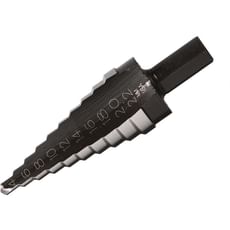
Irwin has established itself as a leading manufacturer of professional drilling solutions, and their cone and stepped drill bits represent some of the most versatile and reliable tools available to tradespeople and DIY enthusiasts. Designed to drill multiple hole sizes with a single bit, Irwin stepped drill bits eliminate the need for multiple drill bits and pilot holes, significantly speeding up work on site whilst reducing tool inventory requirements. The Tooled-Up range of Irwin cone and stepped drill bits showcases the brand's commitment to innovation, durability, and precision engineering.
Engineered specifically for drilling through sheet materials including steel, aluminium, plastic, laminates, and other thin materials up to 5mm thick, these stepped bits feature Irwin's signature high-speed steel construction with titanium nitride coating for extended tool life. The stepped design allows for clean, burr-free holes without the need for deburring tools, making them essential equipment for electrical installations, HVAC work, and general metalworking applications.
Whether working with electrical enclosures, junction boxes, or sheet metal fabrication, the Irwin stepped drill bit range available from Tooled-Up.com delivers professional-grade performance that withstands the demands of daily commercial use whilst remaining accessible for serious DIY projects.
Why Choose Irwin Cone & Stepped Drill Bits?
Irwin's reputation in the drilling industry stems from over a century of manufacturing excellence and continuous innovation. Their cone and stepped drill bits are manufactured to exacting standards, incorporating features that address the real-world challenges faced by professional tradespeople. The titanium nitride coating applied to Irwin stepped bits not only extends tool life by up to five times compared to uncoated alternatives but also reduces friction and heat build-up during drilling operations.
The precision-ground cutting edges on Irwin stepped drill bits ensure clean entry and exit holes without walking or wandering, eliminating the need for centre punching in most applications. This saves valuable time on site and reduces the risk of material damage. Additionally, Irwin's unique flute geometry facilitates efficient chip removal, preventing binding and ensuring smooth, controlled drilling even in tougher materials.
The dual-flute design incorporated across the Irwin stepped bit range provides balanced cutting action and improved hole quality, whilst the laser-etched size markings remain legible throughout the tool's lifespan, ensuring tradespeople can quickly identify the correct bit for each application.
Who Uses Irwin Cone & Stepped Drill Bits?
Irwin cone and stepped drill bits are the tool of choice for a diverse range of professionals and applications:
- Electricians and electrical contractors drilling through consumer units, enclosures, and cable entry points
- HVAC engineers creating ventilation and ducting penetrations in sheet metal
- Plumbers working with radiator panels and boiler installations
- Automotive technicians modifying panels and creating access holes
- Sheet metal fabricators requiring multiple hole sizes in production environments
- Maintenance engineers conducting repairs and modifications across various industries
- Shopfitters and joiners installing fixtures and fittings requiring precise penetrations
- DIY enthusiasts tackling home improvement projects involving metalwork
Key Features of Irwin Cone & Stepped Drill Bits
Irwin has incorporated several distinctive technologies and design elements that set their stepped drill bits apart from competitors:
- Titanium Nitride Coating: Premium TiN coating delivers exceptional hardness, heat resistance, and extended tool life whilst reducing friction during drilling operations
- High-Speed Steel Construction: Manufactured from quality HSS for durability and performance across a wide range of materials
- Double-Flute Design: Ensures balanced cutting action, reduced vibration, and improved hole quality with faster material removal
- Laser-Etched Markings: Permanent size identification that remains legible throughout the bit's working life
- Three-Flat Shank: Prevents slippage in drill chucks, ensuring secure bit retention even under demanding conditions
- Self-Starting Split Point: Eliminates walking and the need for centre punching, improving accuracy and productivity
- Multiple Step Increments: Each bit provides numerous hole size options, typically ranging from 4mm to 30mm depending on the specific model
Popular Irwin Cone & Stepped Drill Bits
The Irwin stepped drill bit range encompasses several configurations to suit different applications and requirements. The most commonly specified options include:
Standard Stepped Drill Bits: Available in various size ranges, these versatile bits typically feature 9-13 steps covering the most frequently required hole diameters for electrical and general metalworking applications. Perfect for drilling through consumer units, enclosures, and sheet metal up to 5mm thick.
Large Diameter Stepped Bits: Designed for creating larger penetrations, these bits extend the stepping range up to 30mm or more, ideal for cable gland installations and larger conduit entries.
Metric Step Increments: Irwin stepped bits feature metric sizing throughout, with common progressions in 2mm increments to match standard UK cable gland, conduit, and fastener sizing requirements.
Safety and Compliance
When using Irwin cone and stepped drill bits, adherence to Health and Safety Executive (HSE) guidelines for power tool operation is essential. Always wear appropriate personal protective equipment including safety glasses or face shields to protect against flying debris and metal chips. Secure workpieces properly using clamps or vices to prevent movement during drilling operations.
Ensure drill speed settings are appropriate for the material being worked – generally, slower speeds are recommended for harder materials to prevent overheating and premature wear. When working with metal, consider using cutting fluid or lubricant to reduce friction and extend bit life. Always allow bits to cool naturally after use and inspect regularly for signs of wear or damage.
For 240V mains-powered drills, ensure equipment is PAT tested in accordance with workplace requirements and that RCD protection is in place when working on construction sites or in damp environments.
Frequently Asked Questions
What materials can Irwin stepped drill bits cut through?
Irwin cone and stepped drill bits are designed primarily for sheet materials up to 5mm thick, including steel, stainless steel, aluminium, brass, copper, plastic, fibreglass, and laminated materials. They are not suitable for masonry, concrete, or very thick metal sections.
Do I need a pilot hole when using Irwin stepped drill bits?
No, the self-starting split point design on Irwin stepped bits eliminates the need for pilot holes or centre punching in most applications. The point prevents walking and allows direct drilling into sheet materials for faster, more efficient work.
How long do Irwin stepped drill bits last?
With the titanium nitride coating, Irwin stepped bits typically last up to five times longer than uncoated alternatives. Actual lifespan depends on usage conditions, materials being drilled, and proper maintenance including appropriate speeds and lubrication.
What drill speed should I use with Irwin cone drill bits?
For steel and harder metals, use slower speeds (around 500-1000 RPM) with cutting fluid. For softer materials like aluminium and plastic, moderate speeds (1000-2000 RPM) work well. Always refer to the manufacturer's recommendations and adjust based on material thickness and hardness.
Can Irwin stepped drill bits be resharpened?
Whilst technically possible, resharpening stepped drill bits is not generally recommended as it's difficult to maintain the precise step geometry and can compromise the titanium nitride coating. Given their extended lifespan and competitive pricing, replacement is typically more cost-effective than resharpening.