

Kidde Safety Detectors
 Loading...
End of content
Error - No more pages to load
Kidde Safety Detectors at Tooled-Up.com
Kidde has been a trusted name in fire safety for over a century, and their range of safety detectors represents the pinnacle of life-saving technology for homes, commercial properties, and industrial settings. As one of the world's leading manufacturers of fire detection and suppression equipment, Kidde combines decades of engineering expertise with cutting-edge sensor technology to deliver reliable, accurate, and user-friendly safety detectors that meet the demanding requirements of UK building regulations and safety standards.
The Kidde safety detector range available from Tooled-Up.com encompasses a comprehensive selection of smoke alarms, carbon monoxide detectors, heat alarms, and multi-sensor units designed to provide complete protection against fire and toxic gas hazards. Whether you're a professional installer specifying detectors for new builds, a landlord ensuring rental properties meet legal safety requirements, or a homeowner upgrading your family's protection, Kidde offers solutions across battery-powered, 240v mains-powered, and interconnected wireless systems to suit every application and budget.
Kidde's commitment to innovation is evident throughout their detector range, with features such as sealed lithium batteries offering 10-year lifespan, optical smoke sensing technology that reduces false alarms, and sophisticated electrochemical CO sensors that detect even low levels of carbon monoxide. Many Kidde detectors incorporate voice alarm technology, clearly announcing the type of danger detected rather than just sounding a generic alarm, giving occupants vital seconds to respond appropriately to the specific threat.
Why Choose Kidde Safety Detectors?
Kidde's reputation in the fire safety industry is built on reliability, innovation, and rigorous testing standards that consistently exceed minimum regulatory requirements. Every Kidde detector undergoes extensive quality control procedures and real-world scenario testing to ensure it performs flawlessly when lives depend on it. Their products are certified to the latest BS EN standards and carry the British Standard Kitemark where applicable, providing assurance that you're installing equipment trusted by fire safety professionals worldwide.
The brand's focus on reducing false alarms whilst maintaining exceptional sensitivity to genuine threats sets Kidde apart from competitors. Their intelligent sensing technology distinguishes between cooking steam or bathroom humidity and actual smoke or fire conditions, minimising nuisance alarms that can lead to dangerous complacency. This sophisticated approach makes Kidde detectors particularly suitable for kitchen and bathroom installations where traditional detectors might prove problematic.
Kidde also leads the industry in ease of installation and maintenance. Their detectors feature straightforward mounting systems, clear installation guides, and test buttons that verify full system functionality. Many models include tamper-proof features essential for rental properties and commercial premises, whilst sealed battery units eliminate the risk of tenants or occupants removing power sources, ensuring continuous protection throughout the detector's operational life.
Who Uses Kidde Safety Detectors?
- Electrical contractors and sparkies specifying and installing fire detection systems in residential and commercial properties
- Property developers and construction firms requiring compliant safety systems for new builds and refurbishments
- Landlords and letting agents ensuring rental properties meet legal safety obligations under UK tenancy regulations
- Facility managers and maintenance teams responsible for safety equipment in commercial buildings, schools, and public spaces
- Housing associations and local authorities maintaining safety standards across social housing portfolios
- Fire safety consultants recommending proven, reliable detection equipment for diverse applications
- Homeowners and DIY enthusiasts upgrading domestic fire safety systems or replacing expired detectors
- Care home operators and sheltered housing providers requiring dependable protection for vulnerable residents
Key Features of Kidde Safety Detectors
Kidde safety detectors incorporate several distinctive technologies that enhance protection and user experience. Their optical smoke sensing technology uses a light-scattering principle that's particularly effective at detecting slow-burning, smouldering fires that produce large smoke particles, often providing earlier warning than ionisation detectors. For fast-flaming fires, Kidde's ionisation models offer rapid response, whilst their multi-sensor detectors combine both technologies for comprehensive coverage.
The brand's sealed lithium battery units represent a significant advance in convenience and reliability, eliminating battery replacement for the detector's entire 10-year lifespan. This tamper-proof design ensures continuous protection without the risk of flat batteries or missing power sources, making them ideal for rental properties and situations where regular maintenance proves challenging.
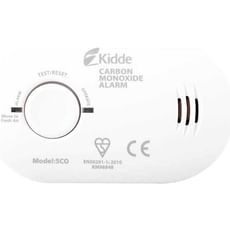
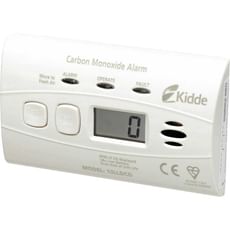
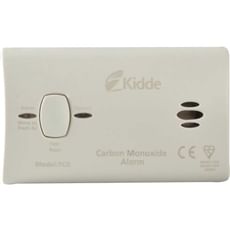
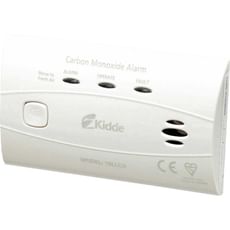
Kidde's carbon monoxide detectors utilise advanced electrochemical sensors that accurately detect CO concentrations as low as 30 parts per million, well below levels that cause symptoms in healthy adults. Digital displays on selected models show real-time CO levels and peak readings, providing valuable diagnostic information for identifying malfunctioning appliances before dangerous concentrations develop.
Wireless interconnection technology across Kidde's premium range allows multiple detectors throughout a property to communicate without additional wiring, ensuring that when one detector activates, all units sound their alarms. This networked approach provides whole-property alerting essential for larger homes or premises where occupants might not hear a distant alarm, significantly improving evacuation times and life safety outcomes.
Popular Kidde Safety Detectors
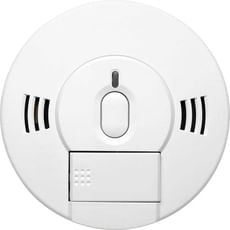
The Kidde 10Y29 optical smoke alarm represents one of the brand's most popular residential solutions, combining a sealed 10-year lithium battery with optical sensing technology in a compact, unobtrusive design. Its proven reliability and maintenance-free operation make it a favourite amongst homeowners and landlords seeking compliant, long-term protection without ongoing battery costs.
For mains-powered installations, the Kidde 240v interconnectable range offers professional-grade detection with battery backup, ensuring protection continues during power cuts. These detectors can be hardwired together to create whole-property alarm systems that meet building regulation requirements for new constructions and HMO conversions.
Kidde's carbon monoxide and smoke combination detectors provide dual protection in a single unit, ideal for rooms containing solid fuel appliances or where space limitations make installing separate detectors impractical. These multi-function units simplify installation whilst ensuring comprehensive protection against the two most common domestic hazards.
The Kidde heat alarm range serves specific applications where smoke detectors prove unsuitable, such as kitchens, garages, and boiler rooms. Operating on rate-of-rise and fixed temperature principles, these detectors respond to fire conditions without triggering false alarms from cooking fumes, vehicle exhaust, or boiler emissions.
Safety and Compliance
All Kidde safety detectors available at Tooled-Up comply with relevant British and European standards, including BS EN 14604 for smoke alarms and BS EN 50291 for carbon monoxide detectors. These certifications ensure products meet stringent performance, reliability, and durability requirements established by UK safety authorities and the fire protection industry.
Under UK building regulations (Approved Document B), newly constructed properties and those undergoing material alterations require Grade D fire detection systems—mains-powered, interconnected detectors with battery backup. Kidde's 240v interconnectable range meets these requirements, providing building control-compliant solutions for professional installations.
For rental properties, landlords must ensure smoke alarms are fitted on each storey and carbon monoxide detectors are installed in rooms containing solid fuel appliances, as mandated by the Smoke and Carbon Monoxide Alarm (England) Regulations 2015 (with similar legislation in Scotland and Wales). Kidde's sealed battery detectors offer landlords a cost-effective, tamper-proof solution that provides reliable protection throughout tenancies.
Proper detector placement proves crucial for effective operation. Smoke alarms should be ceiling-mounted in hallways and landings, positioned away from corners and at least 300mm from walls or light fittings. Carbon monoxide detectors should be installed at head height (as CO mixes evenly with air) in rooms containing fuel-burning appliances. Kidde provides comprehensive installation guidance with each detector, and professional installation by a qualified electrician is recommended for mains-powered systems.
Frequently Asked Questions
How long do Kidde safety detectors last?
Kidde optical smoke alarms and carbon monoxide detectors typically have a 10-year operational lifespan, after which the entire unit should be replaced regardless of apparent functionality. Sealed battery models include non-replaceable lithium batteries designed to last the detector's full lifespan. Mains-powered units may have longer housing life but should still be replaced every 10 years as sensor sensitivity degrades over time. Each Kidde detector displays a manufacture date on its casing to help track replacement schedules.
What's the difference between Kidde's optical and ionisation smoke alarms?
Kidde optical smoke alarms use light-scattering technology that's particularly effective at detecting slow-burning, smouldering fires that produce large smoke particles, such as those from upholstery or bedding. They're less prone to false alarms from cooking and are recommended for hallways and living areas. Ionisation alarms respond faster to fast-flaming fires with smaller smoke particles but can be more susceptible to nuisance alarms. For comprehensive protection, Kidde's multi-sensor detectors combine both technologies, though optical alarms are generally preferred for most residential applications under current fire safety guidance.
Can Kidde detectors be interconnected wirelessly?
Yes, Kidde offers wireless interconnection technology across selected models in their range, allowing up to 12 detectors to communicate without additional wiring. When one detector activates, all interconnected units sound their alarms, ensuring whole-property alerting essential for larger homes or multi-storey buildings. This wireless system proves particularly valuable for retrofitting interconnected detection in existing properties where running cables between floors would be impractical. Both battery-powered and 240v mains models are available with wireless capability.
Do Kidde carbon monoxide detectors work during power cuts?
Battery-powered Kidde CO detectors operate independently of mains power and continue functioning during electrical outages. Mains-powered models (240v) include battery backup that automatically activates during power failures, ensuring continuous protection. The sealed 10-year lithium battery models offer particular reliability as they're unaffected by mains supply issues. Carbon monoxide risks actually increase during power cuts when people may use alternative heating sources like camping stoves or portable generators, making battery-powered detection especially important.
How often should I test my Kidde safety detectors?
Kidde recommends testing all smoke and carbon monoxide detectors weekly using the test button, which verifies the alarm sounder, circuitry, and sensor functionality. Additionally, detectors should be gently vacuumed monthly to remove dust accumulation that can affect sensor performance. For rental properties, landlords must test alarms at the start of each tenancy. If a Kidde detector fails to sound during testing, continuously chirps (indicating fault or end-of-life), or has reached its 10-year replacement date, it should be replaced immediately. Never paint over detectors or their vents, as this compromises sensor operation.