

Liberon Varnishes
 Loading...
End of content
Error - No more pages to load
Liberon Varnishes at Tooled-Up.com
Liberon has established itself as a trusted name in wood finishing products, with their varnishes representing decades of expertise in protecting and enhancing timber surfaces. The Liberon varnishes range available from Tooled-Up.com encompasses everything from traditional oil-based formulations to modern water-based solutions, each designed to deliver professional-quality results for both interior and exterior applications. Whether protecting hardwood floors, enhancing antique furniture, or finishing new joinery projects, these varnishes combine time-tested chemistry with contemporary performance standards.
What distinguishes Liberon varnishes is their focus on ease of application combined with exceptional durability. The brand has developed formulations that cater to both professional woodworkers who demand consistent, reliable results across multiple projects, and DIY enthusiasts seeking professional finishes without the steep learning curve. From quick-drying satin finishes to hard-wearing floor varnishes, the range covers virtually every wood protection scenario encountered in British homes and workshops.
Tooled-Up stocks the complete spectrum of Liberon varnish products, including their renowned yacht varnish for exterior applications, specialist floor varnishes engineered to withstand heavy traffic, and fine furniture varnishes that enhance grain patterns whilst providing lasting protection. Each product in the range reflects Liberon's understanding that different substrates, environments and aesthetic requirements demand tailored solutions rather than one-size-fits-all approaches.
Why Choose Liberon Varnishes?
Liberon's reputation in the wood finishing industry stems from their commitment to creating varnishes that perform consistently under real-world conditions. Unlike some budget alternatives that may yellow over time or fail prematurely, Liberon formulations are engineered for colour stability and long-term durability. Their water-based varnishes, for instance, maintain clarity and resist the yellowing commonly associated with traditional oil-based products, making them ideal for light-coloured woods and contemporary interiors.
The brand's technical expertise shows in details that matter to professionals: excellent flow characteristics that minimise brush marks, appropriate open times that allow for proper application without rushing, and adhesion properties that work reliably across different wood species. Liberon varnishes are formulated specifically for the UK market, taking into account the moisture levels and temperature fluctuations typical of British conditions rather than being generic formulations adapted from other markets.
Environmental considerations also factor into Liberon's product development, with many of their water-based varnishes offering low VOC (Volatile Organic Compounds) content without compromising on performance. This makes them suitable for use in occupied buildings and aligns with increasingly stringent regulations regarding indoor air quality and workplace exposure limits under COSHH guidelines.
Who Uses Liberon Varnishes?
- Cabinet makers and joiners requiring dependable finishes for bespoke furniture and fitted joinery
- Floor layers and restoration specialists working with parquet, strip flooring and reclaimed timber floors
- Antique restorers and French polishers needing sympathetic finishes for period furniture
- Boat builders and marine woodworkers demanding weather-resistant exterior protection
- Property maintenance professionals protecting doors, window frames and external timber
- Furniture upcyclers and restoration enthusiasts transforming preloved pieces
- Woodturners finishing bowls, platters and decorative items
- DIY enthusiasts tackling home improvement projects requiring professional-quality finishes
- Shopfitters and commercial contractors finishing retail and hospitality environments
Key Features of Liberon Varnishes
Multiple Finish Options: Liberon offers varnishes in gloss, satin and matt finishes, allowing users to achieve their desired aesthetic from high-shine contemporary looks to subtle, low-sheen traditional appearances that don't compete with the natural beauty of the wood grain.
Interior and Exterior Formulations: The range includes products specifically engineered for external use, with enhanced UV resistance and flexibility to accommodate timber movement, alongside interior varnishes optimised for ease of application and fast recoating times in occupied spaces.
Water-Based and Solvent-Based Chemistry: Users can choose between traditional oil-based varnishes offering deep penetration and rich colour enhancement, or modern water-based alternatives that dry quickly, have minimal odour, and allow for easy tool cleaning with soap and water.
Specialist Applications: Beyond general-purpose varnishes, Liberon produces targeted solutions including extra-hard floor varnishes with superior abrasion resistance, yacht varnish with exceptional weather protection, and fine furniture varnishes that enhance figure and chatoyancy in premium timbers.
User-Friendly Application: Formulated to minimise common application issues, these varnishes offer good self-levelling properties, manageable drying times that prevent lap marks, and compatibility with brush, roller or spray application methods depending on the product and project scale.
Popular Liberon Varnishes
Liberon Superior Danish Oil: Though technically an oil finish, this product often features in varnish discussions due to its protective qualities. It penetrates deeply whilst building surface protection, ideal for high-touch items like worktops and tool handles.
Liberon Palette Wood Dye with Varnish: Combining colourant and protective finish in one product, this range simplifies projects requiring both staining and sealing, particularly popular for furniture restoration and decorative woodwork.
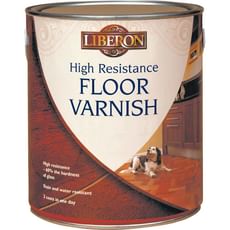
Liberon Fast Dry Floor Varnish: Engineered specifically for horizontal timber surfaces subject to foot traffic, this formulation offers rapid recoating times—essential when minimising disruption in domestic or commercial settings.
Liberon Yacht Varnish: The go-to choice for external joinery, garden furniture and marine applications, offering exceptional UV resistance and flexibility to prevent cracking as timber expands and contracts with seasonal moisture changes.
Liberon Pure Finishing Oil: For those preferring a penetrating finish rather than surface film, this oil-based product provides natural-looking protection whilst being easy to maintain and refresh over time.
Safety and Compliance
All Liberon varnishes comply with relevant UK and European safety standards, with comprehensive technical and safety data sheets available to ensure proper handling and application. When using solvent-based varnishes, adequate ventilation is essential, and users should be aware of COSHH requirements, particularly in professional environments where exposure assessment may be necessary.
Water-based formulations from Liberon typically feature lower VOC content, reducing respiratory exposure risks and making them more suitable for use in domestic environments or where ventilation is limited. However, basic precautions including skin and eye protection remain advisable regardless of the product type.
Disposal of unused varnish and contaminated materials should follow local authority guidelines for hazardous waste. Empty containers from water-based products can typically be disposed of through normal household recycling once fully dried, whilst solvent-based product containers require disposal at designated household waste sites.
When working with any wood finishing products, maintaining good housekeeping practices is essential—proper storage away from ignition sources, secure lids to prevent skin formation, and awareness that oil-soaked rags can pose a spontaneous combustion risk if not disposed of properly in sealed metal containers or soaked in water before disposal.
Frequently Asked Questions
What's the difference between Liberon's oil-based and water-based varnishes?
Oil-based Liberon varnishes typically provide deeper colour enhancement and penetration, with excellent durability and a traditional appearance. They require longer drying times and solvent cleanup. Water-based alternatives dry faster, have minimal odour, clean up with water, and resist yellowing, making them ideal for light woods and contemporary interiors. The choice depends on your project requirements, working environment and desired aesthetic.
How many coats of Liberon varnish should I apply?
Most applications benefit from a minimum of three coats, with initial coats being lightly sanded between applications once dry. High-wear surfaces like floors may require four to five coats for optimal protection. The first coat often absorbs into the timber, with subsequent coats building the protective film. Always follow the specific product instructions, as formulations vary in recommended build thickness.
Can Liberon varnishes be applied over existing finishes?
Success depends on the existing finish type and condition. Liberon varnishes adhere best to properly prepared, clean, degreased wood surfaces. Previously varnished surfaces should be lightly abraded to provide a key for adhesion. Water-based varnishes should not be applied over oil-based finishes without proper preparation. When in doubt, test compatibility on an inconspicuous area first or consider complete removal of the old finish.
Are Liberon varnishes suitable for kitchen worktops and tabletops?
While Liberon varnishes provide good moisture and wear resistance, surfaces subject to hot items, standing water or regular contact with food and drink are better served by dedicated worktop oils or specialist food-safe finishes. Standard varnishes can be used on tables not subject to extreme conditions, but hard-wearing floor varnish formulations offer superior resistance for high-use furniture surfaces.
How do I achieve a professional finish without brush marks?
Use quality natural bristle brushes for oil-based varnishes or synthetic brushes for water-based products. Apply thin, even coats rather than attempting to build thickness in one application. Work with the grain, maintaining a wet edge to prevent lap marks. Lightly sand between coats with fine abrasive paper (320-grit or finer) to remove any nibs or imperfections. Temperature also matters—avoid application in very cold or humid conditions that can affect flow and drying characteristics.