

Liberon Sanding & Wire Wool
 Loading...
End of content
Error - No more pages to load
Liberon Sanding & Wire Wool at Tooled-Up.com
Liberon has established itself as a trusted name in wood finishing and preparation products, with their sanding and wire wool range representing decades of expertise in surface preparation. Known for their meticulous attention to quality and consistency, Liberon's abrasive products are specifically formulated to work in harmony with their extensive range of wood care finishes, stains, and polishes. Whether preparing bare wood for its first finish or refurbishing treasured antiques, Liberon sanding and wire wool products deliver the precision and reliability demanded by professional finishers and discerning DIY enthusiasts alike.
The Liberon approach to abrasive materials focuses on achieving the perfect surface for finishing. Their wire wool grades are manufactured to exacting standards, ensuring consistent quality throughout each pack and eliminating the risk of scratching or uneven preparation that can compromise the final finish. From ultra-fine grades for between-coat smoothing to coarser options for paint and varnish removal, the range covers every stage of surface preparation. Tooled-Up.com stocks Liberon's comprehensive selection of sanding and wire wool products, providing tradespeople and enthusiasts with access to professional-grade abrasives trusted by furniture restorers and wood finishers across the UK.
What distinguishes Liberon's sanding and wire wool range is the brand's deep understanding of wood finishing processes. Each product is designed not just as a standalone abrasive, but as an integral component in a complete finishing system. This attention to compatibility means that Liberon wire wool works seamlessly with their waxes, oils, and specialist finishes, reducing the risk of contamination or adverse reactions that can occur when mixing incompatible products from different manufacturers.
Why Choose Liberon Sanding & Wire Wool?
Liberon's reputation in the wood finishing industry stems from their unwavering commitment to quality and consistency. Their wire wool is manufactured using carefully selected steel fibres that are processed to precise grades, ensuring uniformity throughout every ball or sleeve. This consistency is crucial when working on high-value furniture or restoration projects where even minor scratching can prove costly. Unlike generic abrasives that may contain harder fragments or inconsistent sizing, Liberon wire wool delivers predictable, reliable results every time.
The brand's heritage in traditional finishing techniques, combined with modern manufacturing standards, creates products that satisfy both old-school craftsmen and contemporary professionals. Liberon wire wool is notably clean and free from oils or contaminants that could interfere with finishes, making it ideal for use with their wax products or when applying delicate French polish. The fibres are also designed to resist shedding, minimising cleanup time and reducing the risk of loose steel particles becoming embedded in soft woods.
Professional furniture restorers and antique dealers consistently choose Liberon for its proven track record in heritage work. The wire wool grades are perfectly suited to the gentle abrasion required when working with valuable or irreplaceable pieces, offering sufficient cutting action to remove old finishes whilst being gentle enough to preserve patina and detail. This balance between effectiveness and sensitivity is what sets Liberon apart in the professional restoration market.
Who Uses Liberon Sanding & Wire Wool?
- Furniture Restorers – professionals specialising in antique and heritage furniture restoration
- French Polishers – traditional finishers requiring ultra-fine abrasives for between-coat cutting back
- Cabinet Makers – craftsmen preparing bespoke joinery for high-quality finishes
- Antique Dealers – specialists carefully preparing pieces for sale whilst preserving value
- Wood Turners – artisans finishing turned items with wax and requiring gentle abrasion
- Interior Decorators – professionals preparing wooden features and furniture for client projects
- DIY Enthusiasts – home improvers tackling furniture upcycling and wood finishing projects
- Joiners and Carpenters – tradespeople finishing on-site woodwork to professional standards
- Heritage Conservators – specialists working on listed buildings and protected structures
Key Features of Liberon Sanding & Wire Wool
Liberon wire wool is manufactured to professional standards with carefully graded steel fibres that ensure consistent abrasive action across the entire surface. The range typically spans from grade 0000 (ultra-fine) through to grade 3 (coarse), allowing users to select the precise level of abrasion required for each stage of their project. The finest grades are specifically designed for cutting back between coats of polish, removing minor surface imperfections, and applying wax finishes, whilst coarser grades tackle paint removal and initial surface preparation.
Each grade is processed to minimise contamination and oil content, a critical feature when working with natural finishes and traditional materials. This cleanliness ensures compatibility with Liberon's extensive range of finishing products, including their renowned waxes, French polish, and oil formulations. The wire wool fibres are also designed to compress and conform to shaped surfaces, making them ideal for mouldings, turned work, and carved details where abrasive papers would struggle to make consistent contact.
The packaging of Liberon wire wool is designed to maintain quality during storage, with products supplied in quantities suitable for both professional workshops and domestic use. The consistent quality between batches means professionals can specify Liberon with confidence, knowing that each new pack will perform identically to the last – a crucial consideration when working to exacting finishing standards or matching existing work on restoration projects.
Popular Liberon Sanding & Wire Wool
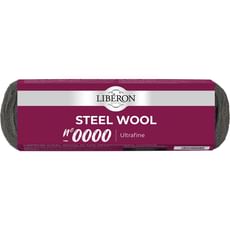
The Liberon wire wool range offers various grades to suit different applications in the wood finishing process. Grade 0000 (ultra-fine) represents the finest option available at Tooled-Up, perfect for applying wax finishes, cutting back between coats of French polish, and achieving glass-smooth finishes on high-quality work. This grade is gentle enough for use on delicate veneers and valuable antiques whilst still providing sufficient abrasion to key surfaces and remove minor blemishes.
Medium grades such as 00 and 0 offer increased cutting action for removing old wax build-up, smoothing bare wood before finishing, and preparing previously finished surfaces for refinishing. These versatile grades are workhorses in furniture restoration, providing enough abrasion to clean and prepare surfaces without the aggressive scratching that coarser options might inflict. Grade 1 and above serve specialist purposes including paint removal, heavy cleaning tasks, and initial stripping work where more aggressive abrasion is required.
Liberon also offers wire wool in various pack sizes to accommodate different usage levels, from small balls suitable for occasional DIY projects to bulk packs for professional workshops undertaking multiple finishing projects. The consistency of Liberon wire wool across all pack sizes ensures that professionals and enthusiasts receive the same quality product regardless of quantity purchased.
Safety and Compliance
When using Liberon wire wool, appropriate personal protective equipment should be worn including gloves to protect hands from steel fibres and splinters. Safety glasses are recommended to prevent airborne particles from entering eyes, particularly when working overhead or undertaking vigorous abrasion. The workspace should be well-ventilated, especially when wire wool is used in conjunction with finishing products, solvents, or strippers.
Wire wool must be disposed of carefully as used steel fibres can present a fire hazard, particularly when contaminated with flammable finishing products or solvents. Used wire wool should never be left in compacted form and should be disposed of in accordance with COSHH regulations when contaminated with chemical products. Store unused wire wool in a dry location away from moisture to prevent rusting, which can compromise performance and potentially transfer rust staining to workpieces.
Always ensure compatibility between wire wool grades and the materials being worked on. Excessively coarse grades can cause irreversible damage to soft woods, veneers, and delicate surfaces. When working on valuable or irreplaceable items, test wire wool on an inconspicuous area first to ensure it produces the desired effect without causing damage. Liberon provides detailed guidance on grade selection and application techniques to help users achieve professional results safely and effectively.
Frequently Asked Questions
Which grade of Liberon wire wool should I use for applying wax?
Grade 0000 (ultra-fine) is the recommended choice for applying and buffing wax finishes. This finest grade provides gentle abrasion that helps work the wax into the timber grain whilst simultaneously polishing the surface. It's gentle enough not to scratch soft woods or damage existing finishes, yet effective enough to create a smooth, lustrous surface. For heavily textured or open-grained timbers, grade 000 can be used if slightly more aggressive cutting is required.
Can Liberon wire wool be used with water-based finishes?
Standard steel wire wool should be used with caution around water-based products as moisture can cause the steel fibres to rust, potentially causing staining on the workpiece. For water-based finishing systems, consider using grades 0000 or 000 with minimal moisture contact, or opt for synthetic abrasives specifically designed for water-based finishes. When using wire wool between coats of water-based products, ensure surfaces are completely dry and remove all steel particles thoroughly before applying subsequent coats.
How do I prevent wire wool from rusting in storage?
Store Liberon wire wool in a dry, well-ventilated location away from moisture sources. Keep unused wire wool in its original packaging or in an airtight container if the pack has been opened. Avoid storing wire wool in damp workshops, unheated sheds, or areas prone to condensation. If wire wool does begin to show rust spots, it should not be used on light-coloured woods or valuable pieces as rust particles can transfer to the timber and cause permanent staining.
What's the difference between wire wool and abrasive paper for wood finishing?
Wire wool offers several advantages over abrasive papers for finishing work. The fibres compress and conform to shaped surfaces, making wire wool ideal for mouldings, carvings, and turned work where papers would be difficult to use effectively. Wire wool also cuts in multiple directions simultaneously, reducing the risk of visible scratch patterns. For flat surfaces requiring aggressive stock removal, abrasive papers may be more efficient, but for applying finishes, cutting back between coats, and working shaped surfaces, wire wool excels.
Can I use Liberon wire wool to remove old paint or varnish?
Coarser grades of Liberon wire wool (grades 2 or 3) can assist with paint and varnish removal, particularly when used in conjunction with appropriate chemical strippers or heat. However, wire wool alone is generally not aggressive enough for complete paint removal on large areas. It excels at removing softened finish after stripper application, cleaning residue from grain and mouldings, and final cleaning before refinishing. For heavy paint build-up, mechanical methods or chemical strippers should be used first, with wire wool providing the final cleaning and preparation stage.