

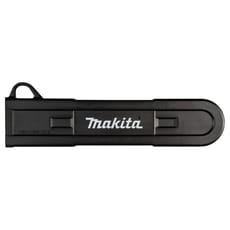
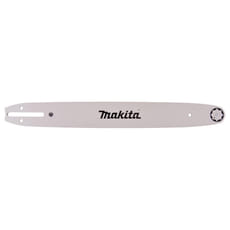
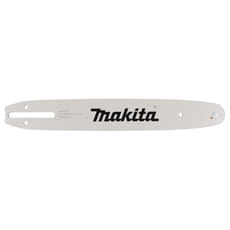
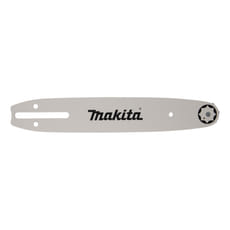
Makita Chainsaw Bars
 Loading...
End of content
Error - No more pages to load
Makita Chainsaw Bars at Tooled-Up.com
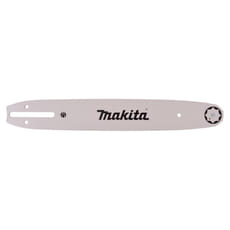
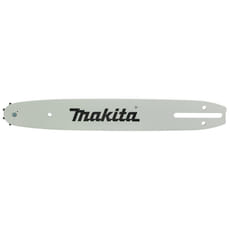
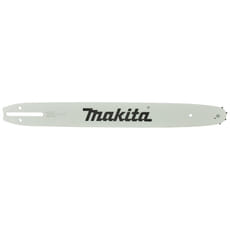
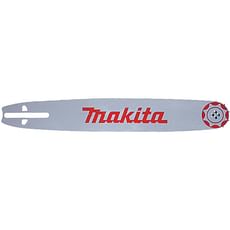
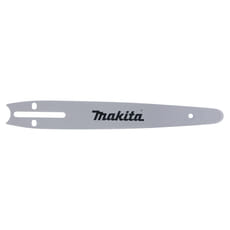
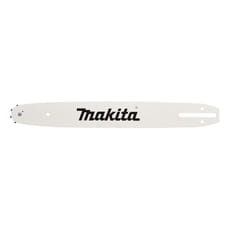
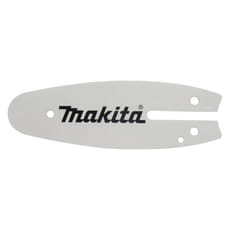
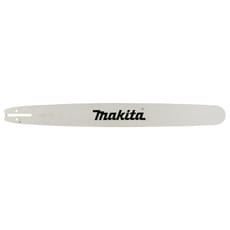
Makita has earned its reputation as one of the most trusted names in professional power tools, and their chainsaw bars exemplify the brand's commitment to precision engineering and durability. Designed to complement Makita's range of petrol and electric chainsaws, these guide bars deliver the cutting performance that professionals and serious DIY users demand. Whether you're undertaking forestry work, tree surgery, or general timber maintenance, Makita chainsaw bars provide the reliability needed for sustained cutting applications.
Manufactured to exacting standards, Makita chainsaw bars feature hardened steel construction with precision-machined grooves that ensure optimal chain tracking and reduced wear. The comprehensive selection available from Tooled-Up includes various bar lengths to suit different cutting requirements, from compact 12-inch bars ideal for pruning and light trimming work, through to longer 18-inch and 20-inch options designed for felling larger trees and processing substantial timber. Each bar is engineered to maintain straightness under demanding conditions, ensuring consistent cutting accuracy throughout its operational life.
Compatibility is paramount when selecting replacement chainsaw bars, and Makita's range is specifically designed to integrate seamlessly with their chainsaw models. The bars feature correctly positioned mounting holes, proper pitch specifications, and accurate gauge measurements to ensure perfect fitment and safe operation. This attention to detail guarantees that users can maintain their Makita chainsaws to original equipment standards, preserving both performance and safety.
Why Choose Makita Chainsaw Bars?
Makita's engineering heritage spans decades, and this expertise translates directly into their chainsaw bar construction. The brand's commitment to using premium-grade materials means these bars resist bending, warping, and premature wear even under intensive professional use. The hardened nose sprockets featured on many Makita bars reduce friction and heat buildup during extended cutting sessions, significantly extending operational life compared to standard alternatives.
Professional users particularly value Makita's attention to weight distribution and balance. The bars are engineered to complement the power-to-weight ratio of Makita chainsaws, reducing operator fatigue during prolonged use whilst maintaining cutting control. The precision milling of oil distribution channels ensures consistent lubrication reaches the chain throughout the bar's length, minimising friction and maximising cutting efficiency. This thoughtful design approach reflects Makita's understanding of real-world working conditions where reliability and performance cannot be compromised.
Makita's global quality control standards ensure consistency across their product range. Each chainsaw bar undergoes rigorous testing to verify dimensional accuracy, material hardness, and structural integrity. This manufacturing discipline means professionals can specify Makita bars with confidence, knowing they'll receive consistent performance regardless of purchase date or supply batch. The brand's extensive dealer network and parts availability also provide reassurance for users who require ongoing support and replacement components.
Who Uses Makita Chainsaw Bars?
- Tree Surgeons and Arborists: Professionals requiring reliable equipment for climbing work, crown reduction, and tree dismantling
- Forestry Contractors: Operators engaged in commercial timber harvesting and woodland management requiring sustained cutting performance
- Landscapers and Groundcare Professionals: Tradespeople maintaining estates, parks, and commercial grounds where tree maintenance is routine
- Agricultural Workers: Farmers and estate managers who need dependable tools for hedgerow management and timber processing
- Local Authority Maintenance Teams: Council workers responsible for maintaining public spaces, parks, and highway vegetation
- Firewood Processors: Both commercial and domestic users processing logs for fuel who demand consistent cutting performance
- Serious DIY Enthusiasts: Homeowners with larger properties or woodland who invest in professional-grade equipment for regular maintenance
Key Features of Makita Chainsaw Bars
Makita chainsaw bars incorporate several distinctive features that enhance both performance and longevity. The hardened steel construction provides exceptional resistance to wear in the high-stress groove area where the chain drive links run. This heat-treated material maintains its dimensional stability even when subjected to the considerable forces generated during cutting operations, ensuring the bar remains straight and true throughout its service life.
The precision-machined guide grooves maintain consistent depth and width across the bar's entire length, promoting smooth chain movement and reducing power loss through friction. This manufacturing precision directly translates to more efficient cutting and reduced fuel consumption or battery drain, depending on the chainsaw type. The carefully engineered oil distribution system features strategically positioned holes that deliver lubricant evenly along the chain's path, preventing dry running and premature component wear.
Replaceable sprocket noses on applicable models represent a significant cost-saving feature, allowing users to renew this high-wear component without replacing the entire bar. The sprocket design reduces friction at the bar tip where cutting forces are most concentrated, whilst the sealed bearing construction keeps contaminants away from moving parts. Bar mounting slots are manufactured to precise tolerances, ensuring secure attachment to the powerhead and eliminating the dangerous play that can develop with inferior components.
Popular Makita Chainsaw Bars
The Tooled-Up Makita range encompasses various bar specifications suited to different chainsaw models and applications. Shorter bars in the 12-inch to 14-inch range prove ideal for Makita's compact electric and battery-powered chainsaws, offering excellent manoeuvrability for pruning, light trimming, and domestic cutting tasks. These sizes excel in confined spaces where longer bars would prove unwieldy, whilst still providing adequate cutting capacity for branches up to 10 inches in diameter.
Medium-length options between 16 and 18 inches represent the most versatile choice for general-purpose use, striking an optimal balance between cutting capacity and handling characteristics. These bars suit both professional landscaping work and demanding DIY applications, providing sufficient reach for felling medium-sized trees whilst remaining manageable during limbing and bucking operations. They're particularly popular amongst tree surgeons who require a reliable all-rounder for varied daily work.
Longer bars of 20 inches and above cater to forestry professionals and users regularly processing substantial timber. These extended lengths enable efficient felling of larger trees and faster processing of long logs, though they naturally require more powerful chainsaw models to maintain cutting speed. The increased reach proves invaluable when dealing with trees too large to fell from one side, allowing operators to make deeper cuts whilst maintaining safe working positions.
Safety and Compliance
Using genuine Makita chainsaw bars ensures compliance with UK health and safety requirements, as these components are designed to work specifically with Makita chainsaws in accordance with relevant British and European standards. The correct fitment provided by genuine bars eliminates dangerous play or misalignment that could lead to chain derailment or kickback incidents. Users should verify that replacement bars match their chainsaw's specifications regarding bar length, pitch, and gauge to maintain safe operation.
The Health and Safety Executive (HSE) emphasises the importance of proper chainsaw maintenance, including regular inspection of guide bars for wear, damage, or distortion. Makita bars feature wear indicators on some models, helping users assess when replacement becomes necessary. Professional operators should maintain detailed equipment logs documenting bar replacement dates and usage hours, particularly important for HSE compliance in commercial settings. All chainsaw work must be undertaken by competent persons who have received appropriate training, including CS30, CS31, or CS38 certification depending on the work type.
Proper bar maintenance extends beyond simple replacement. Users should regularly clean the guide groove to remove accumulated sawdust and debris that impedes lubrication, check oil delivery holes remain clear, and periodically reverse the bar to ensure even wear patterns. The bar should be removed and cleaned after every extended use session, with particular attention paid to the sprocket nose area where debris accumulation proves most problematic. These maintenance practices, combined with Makita's robust construction, ensure maximum service life whilst maintaining the safety margins built into the design.
Frequently Asked Questions
How do I identify the correct Makita chainsaw bar for my model?
Check your chainsaw's user manual or the information plate on the powerhead, which specifies the correct bar length, pitch (distance between drive links), and gauge (thickness of the drive links). Makita bars are marked with these specifications, and you must match all three parameters exactly. The bar mounting pattern must also correspond to your specific Makita model. If uncertain, contact Tooled-Up with your chainsaw's model number for compatibility confirmation.
How often should I replace my Makita chainsaw bar?
Replacement frequency depends on usage intensity and maintenance practices. Professional users in forestry may replace bars every few months under intensive use, whilst occasional domestic users might achieve several years of service. Inspect the bar regularly for excessive groove wear, bent rails, damaged nose sprockets, or cracks in the mounting area. When the groove becomes wide enough that the chain rocks side-to-side excessively, replacement is necessary for safe operation.
Can I use longer bars on my Makita chainsaw for increased cutting capacity?
Never exceed the maximum bar length specified by Makita for your particular chainsaw model. Using oversized bars places excessive load on the engine or motor, causes accelerated wear to the drive sprocket, and significantly increases kickback risk. The powerhead must generate sufficient power to maintain proper chain speed through the cut; inadequate power results in dangerous binding and potential kickback situations. Always adhere to manufacturer specifications for safe, efficient operation.
What's the difference between laminated and solid bars?
Laminated bars consist of multiple steel plates welded together, typically found on lighter-duty chainsaws used for occasional work. They offer adequate performance for domestic applications at lower cost. Solid bars are machined from a single piece of steel, providing superior strength, straighter running, and longer service life under professional use. Makita specifies the appropriate bar type for each chainsaw model based on its intended application and power output.
Do Makita chainsaw bars require special chains?
Makita bars require chains that match the bar's specific pitch and gauge measurements. Whilst Makita produces chains designed to complement their bars, compatible chains from reputable manufacturers can also be used provided they meet the exact specifications. However, using genuine Makita chains ensures optimal performance and maintains warranty validity. Never mix incompatible pitch or gauge combinations, as this creates serious safety hazards and causes rapid component wear.