

Makita Bandsaw Blades
 Loading...
End of content
Error - No more pages to load
Makita Bandsaw Blades at Tooled-Up.com
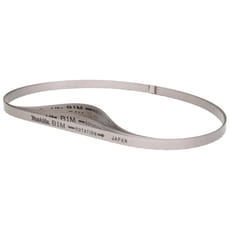
Makita has built a formidable reputation in the power tool industry, and their commitment to precision engineering extends to their comprehensive range of bandsaw blades. Designed to complement Makita's acclaimed bandsaw machines, these replacement blades deliver the cutting performance and longevity that professionals demand on site and in the workshop. Each blade is manufactured to exacting standards, ensuring clean, accurate cuts across a variety of materials including wood, metal, and plastics.
The Makita bandsaw blade selection available from Tooled-Up.com caters to diverse cutting applications, from fine detail work to aggressive rip cuts. Whether you're working with a portable bandsaw for metal fabrication or a bench-mounted model for woodworking, Makita produces blades optimised for specific materials and cutting styles. These blades feature premium tooth geometries and hardened steel construction that maintains sharpness throughout extended use, reducing downtime and blade changes on demanding jobs.
Tooled-Up stocks genuine Makita bandsaw blades that are engineered to exact specifications for compatibility with Makita bandsaw models. This ensures proper blade tension, tracking, and cutting performance whilst protecting your investment in Makita machinery. From fine-tooth blades for intricate scroll work to aggressive cutting patterns for demolition and rough carpentry, the range delivers professional results across all applications.
Why Choose Makita Bandsaw Blades?
Makita's reputation for quality and reliability extends throughout their accessories range, and their bandsaw blades exemplify this commitment to excellence. Each blade undergoes rigorous quality control processes to ensure consistent tooth spacing, proper set angles, and uniform hardness across the cutting edge. This attention to detail translates directly to superior cutting performance, extended blade life, and reduced operating costs for tradespeople and serious DIY enthusiasts alike.
The Japanese manufacturer's decades of experience in power tool design inform every aspect of their blade engineering. Makita understands the demands placed on cutting tools in professional environments, from the vibration and heat generated during continuous operation to the varied materials encountered on typical job sites. Their blades are formulated with high-carbon steel alloys and specialised heat treatments that resist premature wear, maintain tooth integrity, and deliver consistent cuts from first use through to the end of the blade's service life.
Another compelling reason to choose Makita bandsaw blades is their perfect compatibility with Makita bandsaw machines. Whilst aftermarket blades may offer superficial savings, genuine Makita blades are designed specifically for the wheel diameters, blade guides, and tension systems found on Makita bandsaws. This engineered compatibility ensures optimal performance, reduces blade breakage, and maintains the precision cutting capability that Makita tools are renowned for delivering.
Who Uses Makita Bandsaw Blades?
Makita bandsaw blades serve a broad spectrum of trades and applications across the UK:
- Carpenters and Joiners – for precise cuts in hardwoods, softwoods, and engineered timber products
- Metal Fabricators – cutting steel, aluminium, and non-ferrous metals on portable and stationary bandsaws
- Plumbers and Heating Engineers – sectioning pipes and metal stock materials on site
- Furniture Makers – creating curved components and precision joinery work
- Construction Workers – general cutting tasks involving multiple material types
- Maintenance Engineers – dismantling and modification work in industrial settings
- Automotive Technicians – cutting exhaust systems and structural components
- DIY Enthusiasts – home workshop projects requiring professional-quality cutting tools
Key Features of Makita Bandsaw Blades
Makita bandsaw blades incorporate several distinctive features that enhance cutting performance and durability:
Premium Steel Construction: High-carbon steel alloys provide the perfect balance between flexibility and hardness, resisting premature wear whilst maintaining the necessary flex to track properly on bandsaw wheels without breaking or cracking under tension.
Precision Tooth Geometry: Each tooth is ground to exact specifications with consistent spacing and set angles. This precision engineering ensures smooth cutting action, reduced vibration, and clean kerfs that minimise finishing work on cut edges.
Specialised Tooth Patterns: Makita offers various tooth configurations optimised for specific materials and cutting styles. From fine-tooth blades for metal and plastics to aggressive patterns for rapid stock removal in timber, each design delivers purpose-built performance.
Heat-Treated Edges: Advanced heat treatment processes harden the cutting edge whilst maintaining a flexible blade body. This combination extends blade life significantly, particularly when cutting abrasive materials or working in continuous production environments.
Engineered Compatibility: Makita blades are manufactured to precise length specifications with properly formed and welded joints. This ensures reliable tracking, consistent tension, and trouble-free operation on Makita bandsaw models.
Popular Makita Bandsaw Blades
The Makita bandsaw blade range encompasses solutions for virtually every cutting application encountered by professional tradespeople:
Metal Cutting Blades: Featuring fine tooth counts (14-24 TPI) with specialised geometries for ferrous and non-ferrous metals. These blades excel at cutting steel sections, aluminium extrusions, and pipe work with minimal burr formation, making them essential for fabricators and plumbers working with Makita portable bandsaws.
Wood Cutting Blades: Available in various tooth configurations from 3 TPI for aggressive ripping through construction timber to 10 TPI for cleaner crosscuts and general-purpose work. These blades handle everything from softwood framing to hardwood joinery with equal proficiency.
Bi-Metal Blades: Combining a high-speed steel cutting edge with a flexible spring steel backing, these premium blades offer exceptional versatility and longevity when cutting mixed materials or working in demanding industrial applications.
Curved Cutting Blades: Narrow profile blades (typically 6-10mm wide) designed for scroll work, tight radius cuts, and detailed shaping operations. These specialised blades allow furniture makers and craftspeople to create intricate curved components with precision.
Safety and Compliance
When using Makita bandsaw blades, adherence to proper safety protocols is essential. Always ensure blades are correctly installed with appropriate tension as specified in your Makita bandsaw's operating manual. Insufficient tension can cause blade wander and poor cuts, whilst excessive tension may lead to premature blade failure or damage to the bandsaw's components.
Personal protective equipment is mandatory when operating bandsaws. Safety glasses or face shields protect against flying debris, whilst hearing protection is advisable during extended cutting operations. Keep hands well clear of the cutting path and use push sticks or guides when working with smaller workpieces. Never attempt to clear waste material whilst the blade is in motion.
Makita bandsaw blades should be inspected regularly for signs of wear, damage, or missing teeth. Replace blades that show cracks, significant dulling, or tooth damage immediately, as compromised blades pose safety risks and deliver poor cutting performance. Store spare blades in a dry environment, preferably hung or stored flat to prevent kinking or distortion.
Ensure your bandsaw is properly maintained with clean blade guides, properly adjusted tracking, and adequate lubrication where specified. This not only extends blade life but also ensures safe, predictable operation. Always disconnect power before changing blades or performing maintenance work, in accordance with HSE guidance for machinery safety.
Frequently Asked Questions
How do I select the right Makita bandsaw blade for my material?
Material hardness and thickness determine the appropriate tooth count. For metal cutting, use fine-tooth blades (14-24 TPI) with bi-metal construction for best results. Wood cutting typically requires coarser teeth: 3-6 TPI for aggressive ripping in softwoods, 6-10 TPI for general-purpose work, and 10+ TPI for hardwoods and cleaner finishes. Match the blade width to your cutting requirements, with narrower blades for curved cuts and wider blades for straight, accurate rip cuts.
How long should a Makita bandsaw blade last?
Blade longevity depends on material type, cutting frequency, and proper usage. In professional woodworking applications with appropriate blade selection and proper technique, expect several months of regular use. Metal cutting applications are more demanding, with blade life varying considerably based on material hardness and cutting speed. Signs that replacement is needed include increased cutting effort, rough cut surfaces, blade wander, or visible tooth damage. Regular inspection helps identify worn blades before performance deteriorates significantly.
Can I use Makita bandsaw blades on other manufacturers' bandsaws?
Whilst Makita blades are optimised for Makita bandsaw models, they may fit other bandsaws if the blade length matches precisely. However, optimal performance is only guaranteed when using genuine Makita blades on Makita machines, as blade characteristics are engineered specifically for Makita's wheel diameters, guide systems, and tension mechanisms. Using blades on non-Makita equipment may result in reduced performance, increased wear, or compatibility issues.
What's the difference between regular and bi-metal Makita bandsaw blades?
Standard carbon steel blades offer excellent performance for wood cutting and light-duty applications at an economical price point. Bi-metal blades feature a high-speed steel cutting edge electron beam welded to a flexible spring steel backing, combining superior edge retention with resistance to breakage. Bi-metal construction is particularly beneficial for metal cutting, abrasive materials, or production environments where extended blade life justifies the higher initial investment.
How do I properly tension and track a Makita bandsaw blade?
Consult your specific Makita bandsaw manual for proper tensioning specifications, as requirements vary by model and blade width. Generally, adjust tension until the blade deflects approximately 6-10mm when moderate finger pressure is applied mid-span between the wheels. For tracking, rotate the upper wheel by hand whilst adjusting the tracking mechanism until the blade runs centred on both wheels without drifting forward or backward. Allow the blade to rotate several complete cycles before finalising adjustments, and always perform these procedures with the bandsaw disconnected from the mains power supply.