

Makita Breakers
 Loading...
End of content
Error - No more pages to load
Makita Breakers at Tooled-Up.com
Makita has earned a formidable reputation in the demolition equipment sector, and their breakers exemplify the brand's commitment to power, durability and user comfort. From compact SDS-Max breakers suitable for light demolition work to heavy-duty pneumatic and electric models designed for the most demanding applications, Makita's breaker range delivers professional-grade performance across construction, groundwork and renovation projects. Built with Makita's trademark attention to detail and backed by decades of power tool innovation, these breakers combine raw demolition power with reduced vibration technology and ergonomic design features that keep tradespeople productive throughout long working days.
The Makita breaker lineup encompasses both corded electric models operating on 240v UK mains power and petrol-powered options for remote sites without electrical supply. Whether you're breaking up concrete foundations, demolishing block walls, excavating hard ground or removing tiles and render, Tooled-Up.com stocks Makita breakers engineered to handle the toughest materials whilst minimising operator fatigue. Each tool incorporates Makita's anti-vibration technology (AVT), which uses an internal counterbalance system to significantly reduce vibration levels transmitted to the user's hands and arms, ensuring compliance with UK Health and Safety Executive (HSE) vibration exposure regulations.
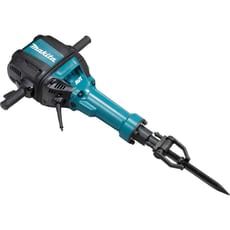
From the popular HM1317C AVT demolition hammer through to the mighty HM1812 70mm hex breaker, Makita's range covers impact energies from 25 joules right up to professional-grade models exceeding 60 joules. This comprehensive selection ensures that construction professionals, groundworkers and demolition specialists can find precisely the right tool for their specific applications.
Why Choose Makita Breakers?
Makita's engineering heritage in the demolition sector sets their breakers apart from competitors. The brand's proprietary Active Vibration Technology represents a significant advancement in operator protection, using sophisticated internal mechanisms to isolate vibration at source rather than simply cushioning the grip. This technology allows tradespeople to work longer whilst staying within HSE daily exposure action values, making Makita breakers a practical choice for contractors concerned about Hand-Arm Vibration Syndrome (HAVS) compliance.
Durability is another hallmark of Makita's breaker construction. Heavy-duty metal gear housings, double-insulated motors, and robust striker mechanisms ensure these tools withstand the extreme forces generated during demolition work. Makita's quality control processes and rigorous testing protocols mean their breakers consistently deliver reliable performance on demanding UK construction sites, minimising costly downtime and repair expenses. Many professional users report Makita breakers outlasting competing brands by considerable margins, making them a sound long-term investment despite premium pricing.
Makita also excels in user-focused design refinements. Features like soft-start technology prevent jarring startups that can damage workpieces or cause loss of control, whilst constant speed control maintains consistent impact energy even under heavy loads. The ergonomically positioned side handles, rubberised grip surfaces, and well-balanced weight distribution all contribute to reduced operator fatigue during extended demolition sessions.
Who Uses Makita Breakers?
Makita breakers are trusted by a diverse range of construction professionals and trades specialists, including:
- Groundworkers and civil engineers breaking through concrete and tarmac for drainage, foundations and road repairs
- Demolition contractors removing walls, floors and structural elements during renovation and clearance projects
- General builders requiring versatile demolition capability for varied site work
- Landscapers excavating hard ground, removing tree roots and breaking rock for garden features
- Electricians and plumbers chasing channels through masonry and concrete for service installations
- Stonemasons and restoration specialists performing precise demolition work on heritage projects
- Hire companies investing in reliable equipment that withstands intensive multi-user environments
- Local authorities and utility companies maintaining infrastructure and performing roadwork repairs
Key Features of Makita Breakers
Active Vibration Technology (AVT): Makita's sophisticated vibration reduction system uses internal counterbalances to minimise harmful vibrations transmitted to operators, helping contractors comply with UK HAVS regulations whilst maintaining productivity.
Powerful motor systems: High-performance motors ranging from 1,100W to over 2,000W deliver consistent impact energy for efficient material removal. Electric models operate on standard 240v UK mains power with 13A plugs or 16A industrial connections depending on capacity.
Variable speed control: Dial-adjustable impact rates allow operators to match the tool's performance to specific materials and applications, preventing damage to delicate substrates whilst maximising productivity in heavy demolition.
Constant speed control: Electronic feedback systems maintain consistent impact energy even when working against resistant materials, preventing power drops that reduce efficiency.
Soft start functionality: Gradual acceleration prevents sudden jolts and improves control, particularly important when positioning the breaker on vertical surfaces or working at awkward angles.
Tool-free chisel adjustment: Quick-release mechanisms allow rapid chisel changes and 360-degree rotation positioning without requiring additional spanners, saving valuable time on site.
Durable construction: Metal gear housings, sealed bearings and industrial-grade components ensure longevity in harsh construction environments where tools face constant dust, moisture and impact loads.
Popular Makita Breakers
SDS-Max Demolition Hammers: Mid-range breakers like the HM1317C offer excellent versatility for general construction work, combining 28-30mm hex shank compatibility with AVT technology and impact energies around 25-30 joules. These models suit contractors requiring daily demolition capability without the weight and bulk of heavier industrial breakers.
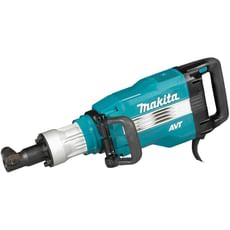
Heavy-Duty Demolition Breakers: The HM1812 and similar professional-grade models deliver impact energies exceeding 55 joules through 70mm hex shanks, making them suitable for the most demanding concrete demolition, road breaking and excavation applications. These tools are favoured by groundworkers and demolition specialists tackling reinforced concrete and heavy structural elements.
Lightweight Breaker Options: Compact models provide easier handling for overhead work, vertical surface demolition and extended use scenarios where operator fatigue becomes a limiting factor. Despite reduced weight, available at Tooled-Up, these breakers still deliver sufficient impact energy for brick, block and thin concrete applications.
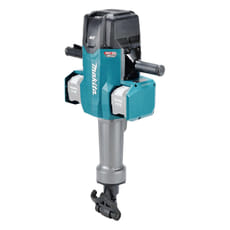
Petrol-Powered Breakers: For remote locations without electrical infrastructure, Makita's petrol demolition hammers offer genuine cordless freedom with performance matching their electric counterparts, making them essential equipment for rural groundwork and infrastructure projects.
Safety and Compliance
All Makita breakers supplied through Tooled-Up comply with relevant UK and European safety standards, including CE marking and conformity to BS EN standards for hand-held concrete breakers. The anti-vibration technology incorporated throughout the range helps contractors meet their obligations under the Control of Vibration at Work Regulations 2005, which require employers to eliminate or reduce vibration exposure risks.
Operators should always wear appropriate personal protective equipment when using breakers, including safety glasses or face shields, hearing protection, steel-toed safety boots, and work gloves. Dust suppression measures must be implemented when breaking materials that may contain silica, asbestos or other hazardous substances, in accordance with COSHH regulations. Regular maintenance, including chisel inspection and lubrication, ensures breakers continue operating safely and efficiently throughout their service life.
Makita provides comprehensive user manuals with each breaker, detailing safe operating procedures, maintenance schedules and vibration emission values to support HSE compliance documentation. Contractors should maintain exposure records and implement rotation schedules when vibration exposure approaches the daily action value of 2.5 m/s².
Frequently Asked Questions
What's the difference between SDS-Max and hex shank Makita breakers?
SDS-Max breakers typically offer lighter weight and lower impact energies (up to 30 joules) suitable for general demolition, renovation and channel chasing. Hex shank models (28mm, 30mm, 70mm) deliver higher impact energies for heavy-duty concrete breaking and groundwork. Hex shank breakers also provide better chisel retention under extreme loads and wider accessory compatibility for specialist demolition tasks.
How does Makita's AVT technology reduce vibration?
Active Vibration Technology uses an internal counterbalance system that moves in opposition to the striker mechanism, cancelling vibration at source rather than simply cushioning the handles. This sophisticated engineering approach reduces vibration transmission by up to 50% compared to non-AVT models, significantly extending the time operators can work before reaching HSE exposure limits.
Can I use Makita breakers on a standard 240v domestic socket?
Lighter Makita breakers typically draw under 13A and can operate from standard UK domestic sockets with proper earthing. Heavier professional models may require 16A industrial connections. Always check the tool's power requirements on the rating plate and ensure your electrical supply and extension cables are appropriately rated with RCD protection for safe outdoor use.
What maintenance do Makita breakers require?
Regular maintenance includes daily chisel inspection for wear and damage, weekly lubrication of chisel shanks with appropriate grease, and periodic inspection of power cables and plug connections. Professional users should have breakers serviced annually at authorised Makita service centres to maintain optimal performance and preserve warranty coverage. Always clear dust and debris from ventilation slots after use to prevent motor overheating.
Are Makita breakers suitable for asbestos removal work?
Whilst Makita breakers are mechanically capable of breaking materials containing asbestos, such work requires strict compliance with HSE asbestos regulations, including licensed contractors, containment procedures and specialist equipment. Breaker use must be minimised during asbestos removal to reduce fibre release, with wet cutting methods generally preferred. Always consult HSE guidance and employ licensed asbestos removal specialists for any work involving asbestos-containing materials.