

Makita Holesaws
 Loading...
End of content
Error - No more pages to load
Makita Holesaws at Tooled-Up.com
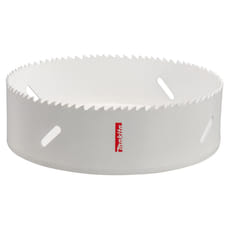
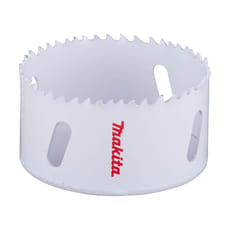
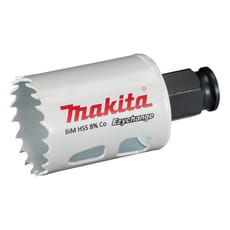
Makita has established itself as a powerhouse in the power tool industry, and their holesaw range exemplifies the Japanese manufacturer's commitment to precision engineering and professional-grade performance. The Makita holesaw collection at Tooled-Up.com features cutting solutions designed to tackle everything from basic timber drilling to demanding metalwork applications, delivering the clean, accurate cuts that professionals demand on site.
Built to withstand the rigours of daily trade use, Makita holesaws incorporate advanced tooth geometry and premium materials that ensure longevity even in the most challenging conditions. Whether you're installing electrical outlets, fitting door hardware, or creating ventilation holes, Makita's holesaw range provides the reliability and cutting efficiency that tradespeople have come to expect from this globally respected brand.
From standard bi-metal holesaws for general purpose drilling to specialised carbide-tipped variants for abrasive materials, the Makita selection available from Tooled-Up covers the full spectrum of professional requirements. Each holesaw is engineered to work seamlessly with standard arbors and drill systems, making them a versatile addition to any toolbox or van stock.
Why Choose Makita Holesaws?
Makita's reputation for manufacturing durable, high-performance tools extends throughout their holesaw range. The brand's commitment to research and development means that every product benefits from decades of engineering expertise, resulting in cutting tools that maintain their edge longer and deliver consistent performance across thousands of cuts.
The quality of materials used in Makita holesaws sets them apart from budget alternatives. Premium bi-metal construction combining high-speed steel cutting edges with flexible spring steel bodies provides the perfect balance of hardness and resilience, reducing the risk of tooth breakage or body cracking during demanding applications. This durability translates directly into lower cost-per-cut and reduced downtime on site.
Makita's manufacturing precision ensures that each holesaw runs true with minimal vibration, producing cleaner holes with less effort and reduced wear on your power tools. The precise tooth set and optimised gullet design promote efficient chip evacuation, preventing clogging and overheating even during extended drilling operations in thick materials.
Who Uses Makita Holesaws?
Makita holesaws are the choice of professionals across numerous trades and industries:
- Electricians and sparkies - cutting holes for back boxes, cable entry points, and accessory installation
- Plumbers and heating engineers - creating pipe penetrations through joists, walls, and floors
- Carpenters and chippies - fitting door furniture, creating cable runs, and general timber drilling
- HVAC installers - cutting ventilation holes and ductwork penetrations
- Shopfitters and joiners - precise hole cutting for fixtures, fittings, and display installations
- Maintenance engineers - retrofit installations and repair work across various materials
- Kitchen and bathroom fitters - cutting holes for taps, waste pipes, and appliance connections
- DIY enthusiasts - tackling home improvement projects with professional-quality tools
Key Features of Makita Holesaws
Makita holesaws incorporate several distinctive features that enhance performance and user experience. The bi-metal construction utilises M3 or M42 high-speed steel for the cutting edge, providing exceptional hardness and heat resistance that maintains sharpness through extended use. The electron beam welding process creates an incredibly strong bond between the cutting edge and the body, virtually eliminating the risk of tooth separation.
The variable tooth pitch design featured across many Makita holesaw ranges reduces vibration and noise whilst improving cutting speed and hole quality. This intelligent tooth configuration distributes cutting forces more evenly, resulting in smoother operation and extended tool life. The optimised gullet depth ensures rapid chip removal, keeping the cutting zone clear and reducing friction that can lead to premature wear.
Makita holesaws feature a precision-ground cutting edge that attacks material at the optimal angle, reducing the force required whilst improving cutting accuracy. The clear size markings stamped onto each holesaw ensure quick identification in busy toolboxes or site conditions, saving valuable time when working to tight deadlines.
Popular Makita Holesaws
The Makita holesaw range encompasses various sizes and specifications to suit different applications. Standard bi-metal holesaws from 14mm through to 152mm diameter cover the vast majority of trade requirements, from small pilot holes to large-diameter penetrations for waste pipes and ventilation systems.
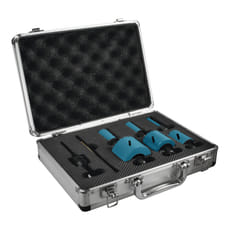
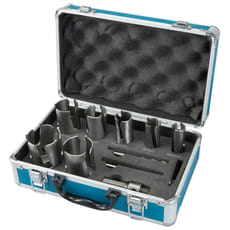
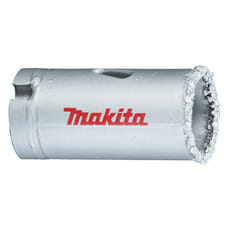
Makita's deep-cut holesaws extend cutting depth for applications requiring penetration through thicker materials such as double-thickness timber or insulated panels. Multi-purpose holesaws suitable for wood, metal, and plastic provide versatile solutions for mixed-material environments, whilst carbide-tipped variants tackle particularly abrasive materials like fibreglass, ceramic tiles, and composite boards.
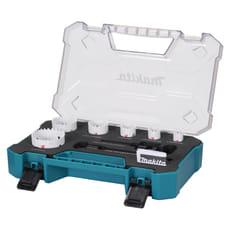
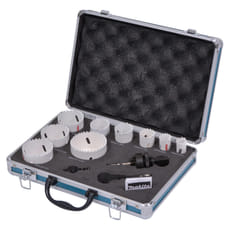
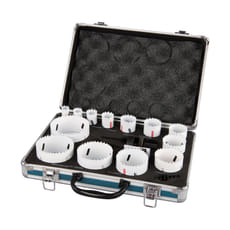
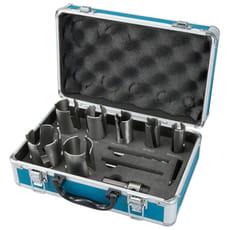
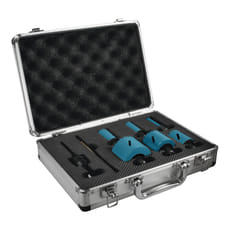
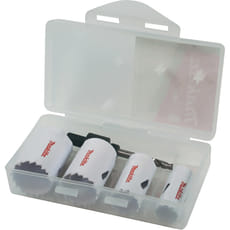
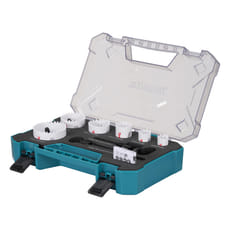
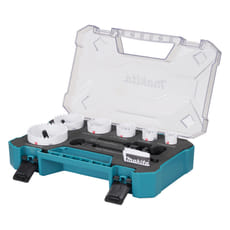
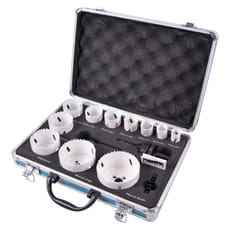
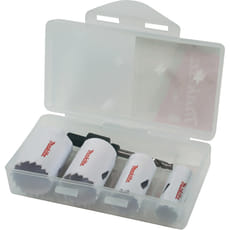
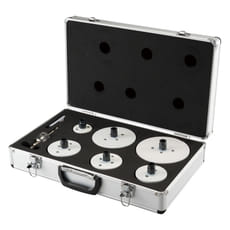
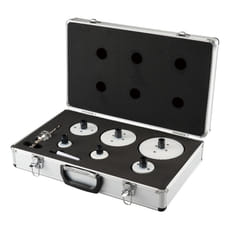
The holesaw kits available at Tooled-Up offer excellent value for tradespeople setting up or expanding their toolkit, providing a comprehensive selection of the most commonly used sizes complete with arbors and pilot drills in convenient storage cases.
Safety and Compliance
When using Makita holesaws, adherence to HSE guidelines and safe working practices is essential. Always ensure workpieces are securely clamped before drilling, as holesaw torque can cause materials to spin dangerously. Wear appropriate PPE including safety glasses to protect against flying chips and swarf, and consider hearing protection when operating at high speeds or for extended periods.
Select the correct speed for the material being cut - excessive speed in metal can cause work hardening and premature wear, whilst insufficient speed in timber may lead to burning and binding. Regular inspection of holesaws for damaged or missing teeth prevents dangerous breakage during operation. When drilling through walls or floors, always use a cable detector to avoid hidden services.
Ensure power tools used with Makita holesaws are properly maintained and, for corded models, protected by RCD devices when operating on site. Follow COSHH guidelines when cutting materials that may produce hazardous dust, using appropriate extraction equipment where necessary.
Frequently Asked Questions
What materials can Makita bi-metal holesaws cut through?
Makita bi-metal holesaws are designed to cut wood, plastic, plasterboard, aluminium, and mild steel up to approximately 3mm thickness. For harder metals or abrasive materials like stainless steel, tiles, or fibreglass, carbide-tipped variants offer better performance and longevity.
How do I prevent my Makita holesaw from binding or jamming?
Start at a slower speed to establish the cut, ensure the pilot drill penetrates fully before the holesaw teeth engage, and apply steady pressure without forcing. Periodically withdraw the holesaw to clear chips, and use cutting lubricant when drilling metal to reduce friction and heat buildup.
Are Makita holesaws compatible with other brands of arbors?
Makita holesaws use standard thread sizes and arbor connections, making them compatible with most universal arbor systems. However, for optimal performance and safety, Makita recommends using their own arbors which are precision-manufactured to ensure perfect concentricity and secure engagement.
How can I extend the life of my Makita holesaws?
Use the correct speed for the material, apply appropriate cutting lubricant for metalwork, avoid excessive pressure that can cause overheating, clear chips regularly, and store holesaws properly to protect the teeth. Never use a damaged holesaw, and ensure your drill has sufficient power for the holesaw diameter being used.
What size holesaw do I need for common electrical and plumbing applications?
For single electrical back boxes, 60-65mm holesaws are standard, whilst double boxes require approximately 120-125mm. Waste pipe penetrations typically use 32mm, 40mm, or 110mm depending on pipe diameter. Tap holes in kitchen sinks generally need 32-35mm holesaws. Always check specific product requirements before cutting.