

Makita Mixers
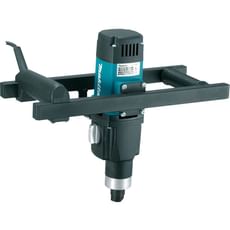
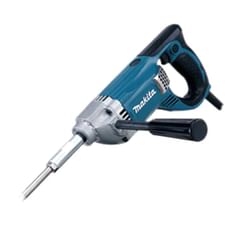
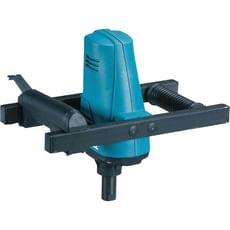
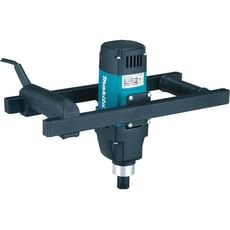
 Loading...
End of content
Error - No more pages to load
Makita Mixers at Tooled-Up.com
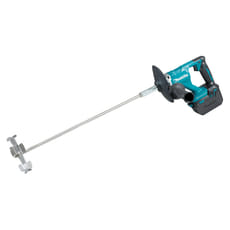
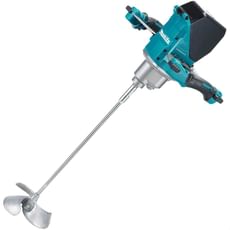
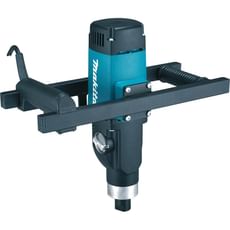
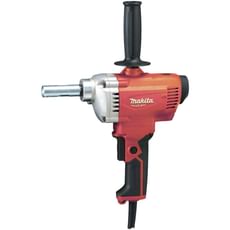
Makita has established itself as a leading manufacturer of professional power tools, and their range of mixers exemplifies the brand's commitment to durability, performance and innovation. The Makita Mixers collection available from Tooled-Up.com includes powerful corded electric models designed to handle the most demanding mixing applications on construction sites, workshops and renovation projects across the UK. Whether you're mixing plaster, cement, mortar, paint, tile adhesive or resin compounds, Makita's mixer range delivers the torque and reliability that professional tradespeople depend upon daily.
Built to withstand the rigours of site work, Makita mixers feature robust construction with high-quality materials and powerful motors that maintain consistent performance even under heavy load. The brand's engineering expertise is evident in every aspect of their mixer designs, from ergonomic handles that reduce operator fatigue during extended use to precision-engineered gearboxes that deliver smooth, controlled mixing action. Tooled-Up stocks a comprehensive selection of Makita mixing equipment suitable for both light-duty DIY projects and intensive commercial applications.
Available in various power outputs ranging from compact 240v models for smaller batches to high-torque industrial mixers capable of handling large volumes of heavy materials, the Makita range caters to diverse mixing requirements. Many models feature variable speed control, allowing operators to adjust mixing speeds according to material viscosity and consistency requirements, whilst dual-handled designs provide superior stability and control when working with thick, heavy compounds.
Why Choose Makita Mixers?
Makita's reputation for manufacturing professional-grade power tools extends seamlessly to their mixer range. The brand's commitment to quality means that every mixer is built to deliver years of reliable service, even in demanding site conditions where tools face daily exposure to dust, debris and challenging weather. Makita mixers are renowned for their powerful motors that maintain consistent torque throughout operation, preventing stalling when mixing thick or heavy materials – a common frustration with lesser-quality alternatives.
The engineering precision that goes into Makita mixers ensures smooth operation with minimal vibration, reducing operator fatigue and improving mixing accuracy. Robust gear housings protect internal components from impact damage and material ingress, whilst sealed switches and bearings extend service life in dusty environments. Makita's extensive service network throughout the UK provides peace of mind, with spare parts readily available and authorised service centres able to maintain and repair tools efficiently. This combination of initial quality and long-term support makes Makita mixers an investment that delivers exceptional value over their operational lifetime.
Who Uses Makita Mixers?
Makita mixers are trusted by a wide range of construction and renovation professionals, including:
- Plasterers - for mixing plaster, render and finishing compounds to consistent textures
- Tilers - preparing tile adhesive and grout batches for floor and wall installations
- Bricklayers - mixing mortar and cement for masonry work
- Decorators - preparing paint, textured coatings and wallpaper paste
- Floor layers - mixing self-levelling compounds and screed materials
- General builders - handling diverse mixing tasks across construction projects
- Maintenance contractors - preparing repair compounds and coatings
- Resin flooring specialists - mixing epoxy and polyurethane resin systems
- Serious DIY enthusiasts - tackling home renovation and improvement projects
Key Features of Makita Mixers
Makita mixers incorporate several distinctive features that enhance performance, safety and user comfort:
- Powerful 240v Motors - delivering high torque output for mixing heavy, viscous materials without stalling
- Variable Speed Control - electronic speed adjustment allows precise control for different material types and consistencies
- Ergonomic Handle Design - dual-handled configurations with soft-grip surfaces reduce fatigue and improve control
- Robust Gear Housing - metal construction protects internal components from impact damage on busy sites
- M14 Spindle Thread - industry-standard fitting accepts a wide range of mixing paddles and accessories
- Soft Start Function - gradual acceleration prevents material splashing and reduces start-up torque
- Electronic Speed Limiter - maintains consistent mixing speed under varying load conditions
- Built-in Overload Protection - safeguards motor from damage during excessive loading
- Long Power Cables - extended reach reduces reliance on extension leads on larger sites
- Paddle Lock Function - secure paddle retention system prevents accidental detachment during operation
Popular Makita Mixers
The Makita mixer range encompasses several popular models designed for specific applications and power requirements. Entry-level models typically feature 1200-1400 watt motors suitable for mixing paint, adhesives and lighter plaster compounds, making them ideal for decorators and light construction work. These compact mixers offer excellent manoeuvrability whilst still delivering reliable performance for daily professional use.
Mid-range Makita mixers with 1600-1800 watt motors represent the workhorse category, offering the versatility to handle most site mixing tasks from tile adhesive to medium-weight cement compounds. These models typically feature variable speed control and dual-handled designs, providing the power and control that general builders and plasterers require.
Heavy-duty Makita mixers deliver 2000 watts or more, designed specifically for intensive commercial applications involving thick mortars, heavy screeds and large-volume batches. These industrial-grade tools feature reinforced gear assemblies, enhanced cooling systems and robust construction to withstand continuous operation in demanding environments. Many professional contractors choose Makita's high-powered mixers for their ability to maintain consistent performance throughout long working days.
Safety and Compliance
All Makita mixers supplied through Tooled-Up conform to relevant UK and European safety standards, including BS EN 62841 for motor-operated electric tools. The tools feature double-insulated construction for electrical safety when operating from 240v UK mains supplies, and incorporate multiple safety features including overload protection and secure paddle retention systems.
Operators should always wear appropriate personal protective equipment when using mixing equipment, including safety glasses or face shields to protect against splashing materials, dust masks when mixing powdered compounds, and sturdy work gloves. Ensure mixing paddles are securely tightened before operation and never attempt to adjust or remove paddles whilst the tool is connected to the power supply. When mixing materials that produce dust or fumes, ensure adequate ventilation in accordance with COSHH regulations and material safety data sheets.
Always inspect power cables for damage before use and ensure the tool is properly earthed. Position the mixer securely over the mixing container and maintain a firm grip with both hands during operation. Never force the tool or overload it beyond its rated capacity, and allow the motor to cool during extended mixing sessions to prevent overheating.
Frequently Asked Questions
What size mixing paddle should I use with my Makita mixer?
Paddle size depends on your mixer's power rating and the container size. Generally, paddles between 100-140mm diameter suit mixers up to 1600 watts for buckets and small containers, whilst 140-160mm paddles work well with higher-powered models for larger mixing vessels. Always ensure the paddle diameter allows adequate clearance within your container and matches your mixer's torque capacity. Makita mixers use standard M14 thread fittings compatible with most professional mixing paddles.
Can Makita mixers handle both thin liquids and thick mortars?
Yes, Makita mixers with variable speed control can handle diverse materials from thin paint to thick mortar. Use higher speeds (600-800 rpm) for thin liquids like paint and primers, medium speeds (400-600 rpm) for adhesives and plaster, and lower speeds (200-400 rpm) for heavy mortars and cement compounds. Starting at low speed prevents splashing, and the electronic speed control maintains consistent performance regardless of material viscosity.
How do I maintain my Makita mixer for long service life?
Clean the paddle and spindle thread after each use to prevent material build-up. Wipe down the motor housing and handles with a damp cloth, avoiding moisture ingress into ventilation slots. Periodically check carbon brushes (if accessible) and replace when worn to specification. Store the mixer in a dry location and inspect the power cable regularly for damage. Avoid forcing the tool or running it continuously for extended periods without cooling breaks, and have it serviced by an authorised Makita service centre if performance deteriorates.
What's the difference between single and dual-handled Makita mixers?
Single-handled mixers offer greater manoeuvrability and are typically used for lighter materials and smaller batches where less control force is needed. Dual-handled models provide superior stability and control when mixing heavy, thick materials that generate significant torque reaction. Most professional tradespeople prefer dual-handled designs for general site work as they reduce fatigue and improve safety when handling large batches or dense compounds.
Are Makita mixers suitable for mixing resin and epoxy compounds?
Yes, Makita mixers work excellently for resin systems, but proper paddle selection is crucial. Use spiral or helical paddles designed specifically for resin mixing to minimise air entrainment, which can weaken cured resin. Variable speed control allows gentle mixing at lower speeds (200-400 rpm) to reduce bubble formation. Always clean paddles and spindles immediately after use with appropriate solvents before resin cures, as hardened epoxy can be extremely difficult to remove.