

Makita Mixing Paddles
 Loading...
End of content
Error - No more pages to load
Makita Mixing Paddles at Tooled-Up.com
Makita has established itself as a leading manufacturer of professional-grade power tool accessories, and their mixing paddles exemplify the brand's commitment to durability, precision, and performance. Designed to work seamlessly with Makita's renowned range of 240v and cordless mixers, these mixing paddles are engineered to handle the most demanding mixing applications across construction, renovation, and industrial sites throughout the UK.
The Makita mixing paddle range available from Tooled-Up.com caters to professionals who require consistent, reliable performance when mixing materials such as plaster, mortar, tile adhesive, paint, and render. Each paddle features robust construction with high-quality materials that resist bending and wear, even when subjected to heavy, viscous materials and prolonged daily use on professional job sites.
Whether you're a plasterer mixing large batches of compound, a tiler preparing adhesive, or a decorator blending paint and coatings, Makita mixing paddles deliver the controlled, lump-free mixing results that professionals demand. The carefully designed blade configurations ensure optimal material flow and thorough mixing whilst minimising air entrapment and splatter.
Why Choose Makita Mixing Paddles?
Makita's reputation for manufacturing professional-grade tools and accessories extends seamlessly to their mixing paddle range. Built to withstand the rigours of daily trade use, these paddles feature hexagon shank designs that provide secure, wobble-free fitting in power drill and mixer chucks, eliminating slippage during operation and ensuring safety on site.
The brand's mixing paddles are manufactured from galvanised steel or zinc-plated materials, providing exceptional resistance to corrosion and chemical degradation from alkaline materials like cement and plaster. This durability translates to extended service life, reducing replacement costs and downtime for busy tradespeople. Makita's engineering expertise ensures each paddle design is optimised for specific material types and viscosities, delivering superior mixing efficiency compared to generic alternatives.
Makita's commitment to innovation means their mixing paddles incorporate features such as precisely angled blades that create the ideal mixing action for different materials, reducing operator fatigue and mixer strain whilst achieving professional results faster. The paddles are designed to work in harmony with Makita's mixer range, ensuring compatibility and optimal performance across the entire mixing system.
Who Uses Makita Mixing Paddles?
- Plasterers and Rendering Specialists – mixing plaster, render, and compound materials for wall finishing
- Tilers – preparing tile adhesive, grout, and levelling compounds
- Decorators and Painters – blending paints, textured coatings, and decorative finishes
- General Builders – mixing mortar, concrete, and repair compounds on construction sites
- Flooring Contractors – preparing self-levelling compounds and floor adhesives
- Refurbishment Specialists – mixing various materials for restoration and renovation projects
- Industrial Maintenance Teams – preparing specialist coatings and industrial compounds
- DIY Enthusiasts – tackling home improvement projects requiring professional mixing quality
Key Features of Makita Mixing Paddles
Makita mixing paddles incorporate several distinctive features that differentiate them from standard mixing accessories. The precision-engineered blade geometry creates specific flow patterns tailored to different material viscosities, ensuring thorough mixing without excessive aeration or splatter. This design consideration is particularly important when working with self-levelling compounds and materials where air bubbles can compromise the finished result.
The robust construction utilises high-grade steel with protective finishes that resist chemical attack from alkaline building materials. The hexagon shank design, typically 10mm or 13mm, ensures positive engagement with mixer chucks, eliminating the frustrating slippage that can occur with round shanks under heavy load. Many Makita paddle designs feature strategically positioned mixing elements that create upward and downward flow simultaneously, reducing mixing time and ensuring material from the bottom of the container is properly incorporated.
Makita paddles are available in various diameters and lengths to suit different container sizes and material volumes, from small bucket mixing to large barrel applications. The balanced design reduces vibration and stress on the mixer motor, extending equipment life and improving operator comfort during extended mixing sessions. Thread-on designs allow for easy attachment and removal, whilst welded construction ensures blade integrity under continuous professional use.
Popular Makita Mixing Paddles
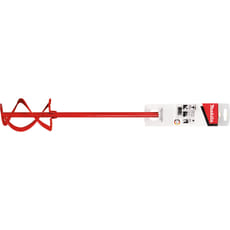
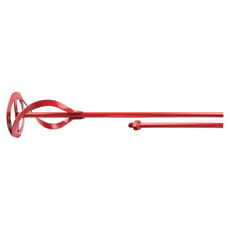
The Tooled-Up Makita mixing paddle selection encompasses several specialist designs for different applications. The spiral mixing paddle configuration is ideal for lighter materials such as paint, varnish, and thin plaster, creating gentle upward flow that prevents splashing whilst achieving thorough blending. These paddles typically range from 80mm to 120mm in diameter and are favoured by decorators and finish plasterers.
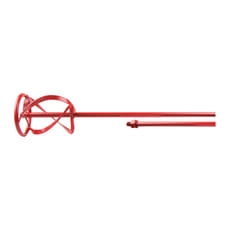
For heavier materials like tile adhesive, render, and screed, Makita offers robust paddle designs with reinforced blade structures and larger diameters up to 160mm. These heavy-duty paddles feature aggressive mixing elements that power through dense, viscous materials, making them essential for tilers and general builders working with thick compounds.
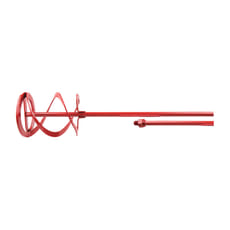
Makita's universal mixing paddles provide versatility for tradespeople who work with various materials throughout the day, featuring balanced blade designs that handle both light and medium-viscosity applications effectively. Professional plasterers often favour dedicated plaster mixing paddles with specific blade angles optimised for achieving lump-free, creamy consistency in gypsum-based materials.
Safety and Compliance
When using Makita mixing paddles, operators should adhere to HSE guidelines for power tool use and manual handling. Always ensure the paddle is securely fitted in the mixer chuck before operation, and verify that the paddle diameter and length are appropriate for the mixer's power rating and speed range. Makita paddles should be used with mixers operating at appropriate speeds – typically 300-800 RPM depending on material viscosity and paddle diameter.
Personal protective equipment including safety goggles, dust masks (when mixing dry materials), and protective gloves should be worn to prevent splashes and skin contact with potentially harmful materials. Ensure adequate ventilation when mixing materials that may release dust or fumes. Never operate a mixer with a bent or damaged paddle, as this can cause dangerous vibration and loss of control.
Regular inspection of mixing paddles for wear, corrosion, or damage is essential for safe operation. Clean paddles thoroughly after each use to prevent material build-up that can cause imbalance and reduce mixing efficiency. Always disconnect the mixer from the power source before fitting or removing paddles, and ensure materials are mixed in stable, appropriately sized containers to prevent tipping.
Frequently Asked Questions
What size Makita mixing paddle do I need for my application?
Paddle diameter should be selected based on container size and material viscosity. For buckets up to 25 litres with light materials like paint, an 80-100mm paddle is suitable. For 25-litre buckets with thick materials like tile adhesive, choose 120-140mm paddles. Larger containers and heavy materials require 160mm+ paddles. The paddle length should allow mixing without the shaft contacting the material.
Are Makita mixing paddles compatible with other brand mixers?
Yes, Makita mixing paddles feature standard hexagon shank fittings (typically 10mm or 13mm) that are compatible with most professional mixers and heavy-duty drills with keyed or keyless chucks that accept hex shanks. However, for optimal performance and safety, Tooled-Up stocks Makita mixers specifically engineered to work with these paddles.
How do I maintain my Makita mixing paddle?
Clean paddles immediately after use before materials harden, using water for water-based materials or appropriate solvents for resin-based products. Inspect regularly for bent blades or worn protective coating. Store in a dry location to prevent corrosion. If used with corrosive materials, rinse thoroughly and dry completely. Replace paddles showing significant wear, bending, or coating degradation.
What's the difference between spiral and blade-type Makita mixing paddles?
Spiral paddles create gentle upward flow ideal for thin to medium viscosity materials like paint, emulsion, and finishing plaster, minimising air entrapment and splashing. Blade-type paddles feature flat or angled elements that provide aggressive mixing action for heavy materials like mortar, render, and thick adhesives. Choose based on your primary material type for best results.
Can I use Makita mixing paddles with a standard drill?
Whilst Makita paddles fit standard drills with appropriate chuck capacity, only use heavy-duty drills or dedicated mixers rated for mixing applications. Standard DIY drills lack the torque, gear reduction, and cooling required for sustained mixing, particularly with viscous materials. Using inadequate tools can cause motor burnout and poses safety risks. Professional 240v mixers or high-torque cordless models are recommended.