

Marshalltown Putty Knives & Spreaders
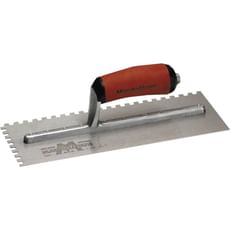
 Loading...
End of content
Error - No more pages to load
Marshalltown Putty Knives & Spreaders at Tooled-Up.com
Marshalltown has earned its reputation as one of the most trusted names in professional hand tools, and their putty knives and spreaders exemplify the quality and precision that tradespeople have relied upon for over 130 years. From flexible putty knives designed for delicate glazing work to robust joint knives for plasterboard finishing, the Marshalltown range at Tooled-Up.com represents the pinnacle of craftsmanship in this essential tool category.
What distinguishes Marshalltown putty knives and spreaders from competitors is their commitment to manufacturing excellence. Each blade is precision-ground from high-carbon steel, tempered to maintain the perfect balance between flexibility and strength. The handles are ergonomically designed with resilient DuraSoft material that provides exceptional grip and reduces hand fatigue during extended use—a crucial consideration for professionals spending hours on preparation and finishing work.
Whether you're a professional decorator requiring fine control for intricate filling work, a glazier needing reliable putty application tools, or a plasterer demanding robust joint knives for boarding work, Tooled-Up stocks a comprehensive selection of Marshalltown putty knives and spreaders to meet exacting professional standards.
Why Choose Marshalltown Putty Knives & Spreaders?
Marshalltown's reputation in the construction and decorating trades is built on over a century of innovation and consistent quality. Their putty knives and spreaders are manufactured in the USA using time-tested metallurgical processes that ensure each blade delivers optimal performance and longevity. The high-carbon steel construction provides exceptional durability whilst maintaining the flexibility required for smooth, even application of fillers, putty, and compounds.
The full tang construction method employed throughout the Marshalltown range ensures that the blade extends completely through the handle, eliminating weak points and preventing the blade separation that commonly affects lesser quality tools. This robust design means Marshalltown tools can withstand the rigours of daily professional use, year after year. Many tradespeople report using the same Marshalltown putty knife for decades, testament to the brand's exceptional build quality.
Marshalltown also understands that precision matters. Their blade grinding processes achieve consistent thickness and flexibility across the entire product range, meaning professionals can rely on predictable performance every time. This consistency is invaluable when working to tight tolerances or achieving smooth, professional finishes that meet modern building standards.
Who Uses Marshalltown Putty Knives & Spreaders?
- Professional Decorators & Painters - for preparing surfaces, filling imperfections, and achieving smooth finishes before painting
- Plasterers & Drylining Specialists - for taping and finishing plasterboard joints to create seamless walls and ceilings
- Glaziers - for traditional putty application when installing and maintaining glazed windows and doors
- General Builders & Maintenance Contractors - for versatile filling, scraping, and surface preparation tasks across various trades
- Joinery Professionals - for filling nail holes, gaps, and imperfections in woodwork before finishing
- Heritage & Restoration Specialists - for sympathetic repairs requiring traditional putty knife techniques
- DIY Enthusiasts - for home improvement projects demanding professional-quality tools and results
Key Features of Marshalltown Putty Knives & Spreaders
Marshalltown putty knives and spreaders incorporate several distinctive features that elevate them above standard alternatives. The high-carbon steel blades undergo a precision tempering process that creates the ideal balance of flexibility and rigidity—flexible enough to conform to surfaces and spread materials smoothly, yet rigid enough to maintain control and scrape effectively.
The signature DuraSoft handles represent years of ergonomic research, featuring a textured surface that provides secure grip even when working with wet materials or wearing gloves. The handle shape is carefully contoured to reduce pressure points and hand fatigue, crucial for professionals undertaking extended filling or taping sessions. Unlike cheaper alternatives with moulded plastic handles, Marshalltown's handle construction ensures durability and comfort throughout the tool's lifetime.
Blade flexibility is carefully calibrated across different models to suit specific applications. Flexible blades excel at applying putty and spreading compounds into irregular surfaces, whilst stiffer blades provide the control needed for scraping and removing old materials. The precision grinding process ensures uniform thickness, eliminating thin spots that could lead to premature blade failure.
The full tang construction method means the steel blade extends completely through the handle, secured with heavy-duty rivets or through-bolts depending on the model. This engineering approach eliminates the blade-handle junction as a potential failure point, ensuring these tools can withstand substantial pressure and leverage without separation or breakage.
Popular Marshalltown Putty Knives & Spreaders
The Marshalltown range encompasses various blade widths and flexibility grades to suit different applications. Narrow putty knives, typically 25mm to 50mm wide, excel at detailed work such as filling small cracks, nail holes, and imperfections. These compact tools offer excellent control for intricate tasks and are essential for joinery finishing work.
Medium-width options between 75mm and 100mm represent the workhorses of the range, offering versatility for general filling, scraping, and spreading tasks across decorating and maintenance work. These sizes provide an optimal balance between coverage and manoeuvrability, making them ideal for everyday use across multiple trades.
Wide joint knives and taping knives, ranging from 150mm to 300mm, are specifically designed for plasterboard finishing work. These broader blades enable plasterers and dryliners to achieve smooth, feathered joints when taping and filling plasterboard seams, essential for meeting modern finishing standards. The extra width allows for efficient material application and helps achieve the flat, seamless surfaces required before decoration.
Flexible blade variants are particularly popular for glazing applications, allowing the putty knife to conform to window frames and glass edges for neat, professional putty installation. Stiffer blade options suit scraping tasks and working with thicker filling compounds that require more robust tools.
Safety and Compliance
Whilst putty knives and spreaders are relatively simple hand tools, proper usage ensures both safety and optimal results. Always inspect blades before use for signs of damage, excessive wear, or sharp edges that could cause injury. Worn or damaged tools should be replaced rather than continuing in service, as compromised blades may slip or break during use.
When scraping or removing old materials, particularly in heritage buildings or pre-1980s properties, be aware of potential lead-based paint hazards. Follow HSE guidance regarding lead paint removal, using appropriate personal protective equipment including respirators when necessary. Never use putty knives to scrape materials that could contain asbestos—specialist removal contractors should handle such situations.
Maintain clean, sharp blade edges through regular cleaning after use. Dried compounds and materials left on blades can affect performance and may harbour contaminants. Store tools in dry conditions to prevent rust formation, and consider applying a light coating of tool oil to blades during extended storage periods.
When working at height, ensure all tools are secured to prevent dropping hazards. Tool lanyards or pouches keep putty knives safely attached whilst working on scaffolding, ladders, or access platforms, protecting both the tools and those working below.
Frequently Asked Questions
What's the difference between flexible and stiff Marshalltown putty knives?
Flexible blades are designed for applying putty, spreading compounds, and conforming to irregular surfaces, making them ideal for glazing work and filling applications. Stiff blades provide greater control for scraping tasks and working with thicker compounds that require more rigid tools. Many professionals keep both types to suit different applications throughout their work.
How do I maintain my Marshalltown putty knife for long-term performance?
Clean blades thoroughly after each use to remove all compound residue, as dried materials can affect flexibility and performance. Wipe blades with a cloth and consider applying a light coating of tool oil for rust prevention during storage. Store in dry conditions and avoid leaving tools in damp environments. With proper care, Marshalltown putty knives can provide decades of reliable service.
What blade width should I choose for plasterboard taping work?
For plasterboard joint finishing, wider taping knives between 200mm and 300mm are recommended as they allow you to feather and smooth joints over a broader area, achieving the flat, seamless finish required. Narrower knives around 100-150mm are useful for initial tape embedding and working in confined areas, whilst the wider blades excel at final coat application and finishing.
Are Marshalltown putty knives suitable for lead-free sash window glazing?
Absolutely. Marshalltown's flexible putty knives are excellent for both traditional linseed oil putty and modern lead-free glazing compounds. The flexible blades conform to the glazing rebate and glass edge, allowing neat application and finishing. Choose a blade width that suits your window frame dimensions—typically 25mm to 50mm widths work well for most domestic glazing applications.
Can Marshalltown putty knives be used with modern filler compounds and decorating materials?
Yes, Marshalltown putty knives work excellently with all modern filling compounds, joint fillers, wood fillers, and decorating materials. The high-carbon steel blades are chemically resistant to the compounds found in contemporary fillers, and the full range of blade flexibilities ensures you can find the right tool for any consistency of material, from thin surface fillers to thick gap-filling compounds.