

Milwaukee Bandsaw Blades

 Loading...
End of content
Error - No more pages to load
Milwaukee Bandsaw Blades at Tooled-Up.com
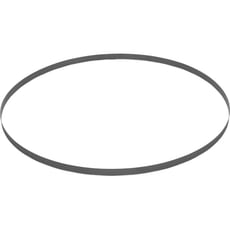
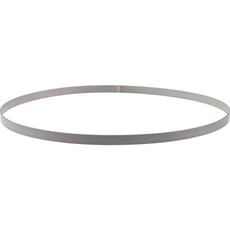
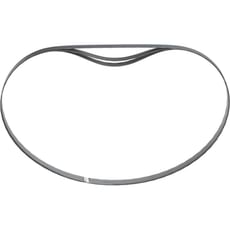
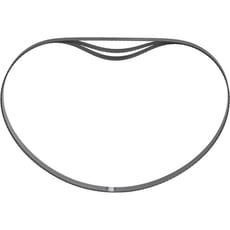
Milwaukee has built a formidable reputation for engineering cutting solutions that deliver exceptional performance in demanding professional environments. Their bandsaw blade range represents decades of metallurgical expertise and innovation, designed specifically to meet the rigorous requirements of metalworking professionals, fabricators, and serious DIY enthusiasts. The Milwaukee bandsaw blade collection available from Tooled-Up.com encompasses solutions for cutting ferrous and non-ferrous metals, stainless steel, and specialist materials across portable and stationary bandsaw applications.
What distinguishes Milwaukee bandsaw blades from competitors is their commitment to advanced tooth geometry, premium bi-metal construction, and application-specific design. Each blade is manufactured to exacting standards, ensuring consistent cutting performance, extended blade life, and reduced downtime on site or in the workshop. Whether you're working with thin-walled tubing, structural steel, or challenging materials like cast iron, Tooled-Up stocks Milwaukee bandsaw blades engineered to deliver clean, accurate cuts with minimal operator fatigue.
Milwaukee's bandsaw blade technology incorporates innovative features such as precision-ground teeth, optimised gullet design for efficient chip clearance, and proprietary heat treatment processes that maintain cutting edge sharpness far longer than conventional blades. This translates directly into lower cost per cut and improved productivity for tradespeople who depend on their cutting equipment day in, day out.
Why Choose Milwaukee Bandsaw Blades?
Milwaukee's reputation in the power tool and cutting accessory market is built on a foundation of innovation, durability, and real-world performance testing. Their bandsaw blades undergo rigorous quality control procedures and are tested in actual working conditions to ensure they meet the demands of professional users. The brand's commitment to research and development means their blade technology continuously evolves to address the changing needs of modern fabrication and metalworking.
Professional tradespeople choose Milwaukee bandsaw blades for their consistency and reliability. When a blade performs predictably cut after cut, it allows for accurate project planning, reduced material waste, and improved job site efficiency. Milwaukee's bi-metal construction combines a flexible spring steel backing with high-speed steel cutting edges, creating blades that resist breakage whilst maintaining sharpness through extended use. This is particularly valuable in professional settings where blade changes represent lost productivity and increased costs.
The brand's focus on application-specific solutions means there's a Milwaukee bandsaw blade optimised for virtually every cutting scenario. From fine-pitch blades for thin materials to aggressive tooth patterns for rapid stock removal, Milwaukee provides the specialised tools that professionals require. Their blades are compatible with both Milwaukee bandsaws and other leading manufacturers' equipment, offering versatility for workshops with mixed tool brands.
Who Uses Milwaukee Bandsaw Blades?
Milwaukee bandsaw blades are the choice of numerous trades and industries across the UK:
- Metal Fabricators - cutting structural steel, plate, and custom metalwork
- Plumbers and Heating Engineers - precise cutting of copper, steel, and stainless steel pipework
- Mechanical Engineers - machining operations and workshop applications
- Construction Professionals - site-based cutting of rebar, conduit, and structural components
- Automotive Technicians - exhaust systems, chassis work, and fabrication
- Maintenance Teams - facilities management and repair work across industrial settings
- Agricultural Engineers - farm machinery repair and modification
- Shopfitters and Joiners - metalwork elements in commercial installations
- Educational Workshops - colleges and training centres teaching metalworking skills
Key Features of Milwaukee Bandsaw Blades
Milwaukee bandsaw blades incorporate several distinctive technologies and design features that enhance cutting performance:
Bi-Metal Construction: Premium M42 cobalt high-speed steel cutting edges are electron beam welded to a flexible spring steel backing, creating blades that combine cutting efficiency with breakage resistance. This construction method ensures the blade can flex around bandsaw wheels without cracking whilst the hardened teeth maintain their edge.
Precision Tooth Geometry: Milwaukee engineers each tooth profile for specific material applications. Optimised rake angles, gullet depth, and tooth pitch ensure efficient chip removal and reduced cutting friction, which translates to cooler running temperatures and extended blade life.
Matrix II Tooth Design: Featured on many Milwaukee blades, this advanced tooth pattern provides exceptional cutting efficiency and longer life in demanding applications. The variable tooth pitch reduces vibration and noise whilst improving surface finish quality.
Application-Specific Solutions: From fine 18-24 TPI blades for thin-walled materials to aggressive 6-10 TPI options for rapid cutting of solid stock, Milwaukee provides precisely engineered solutions for every cutting requirement.
Consistent Weld Quality: The blade weld is often the weakest point in bandsaw blade construction. Milwaukee's precision welding processes create joints that are virtually indistinguishable from the base material, eliminating premature failure at the weld point.
Popular Milwaukee Bandsaw Blades
The Milwaukee bandsaw blade range at Tooled-Up encompasses several popular categories:
Portable Bandsaw Blades: Designed specifically for Milwaukee's renowned portable bandsaws and compatible machines, these blades are available in various tooth configurations for cutting everything from thin conduit to thick structural steel on site. The compact blade design ensures optimal performance in confined spaces and overhead cutting situations.
Metal Cutting Blades: Specialised blades engineered for ferrous metals, with tooth geometries optimised for mild steel, alloy steel, and tool steel applications. These blades deliver clean cuts with minimal burr formation, reducing secondary finishing operations.
Stainless Steel Blades: Purpose-designed for the unique challenges of cutting stainless steel, which generates significant heat and work-hardens during cutting. Milwaukee's stainless blades feature tooth designs and materials that resist heat build-up and maintain cutting efficiency.
Multi-Material Blades: Versatile blades suitable for workshops that cut various materials, offering acceptable performance across ferrous metals, non-ferrous metals, and plastics without the need for constant blade changes.
Safety and Compliance
When using Milwaukee bandsaw blades, adherence to UK health and safety guidelines is essential. The Health and Safety Executive (HSE) provides comprehensive guidance on the safe operation of bandsaw equipment, and users should ensure they're familiar with relevant regulations before commencing cutting operations.
Always inspect bandsaw blades before installation for any signs of damage, including cracked teeth, damaged welds, or bent backing material. Damaged blades should never be used as they present significant safety hazards. Ensure blades are correctly tensioned according to the bandsaw manufacturer's specifications—incorrect tension can cause premature blade failure or breakage during operation.
Appropriate personal protective equipment (PPE) is mandatory when operating bandsaws. This includes safety glasses or face shields to protect against metal chips and debris, hearing protection in high-noise environments, and close-fitting clothing to prevent entanglement. Never wear gloves when operating bandsaw equipment as they can catch on moving components.
Milwaukee bandsaw blades should be stored in a dry environment to prevent corrosion, and blades should be handled carefully to avoid kinking or bending. When changing blades, ensure the machine is completely isolated from power sources. Follow the machine manufacturer's blade changing procedures precisely to ensure correct installation and tensioning.
Frequently Asked Questions
What TPI should I choose for my Milwaukee bandsaw blade?
Teeth per inch (TPI) selection depends on material thickness and type. For thin materials under 10mm, choose 18-24 TPI for smooth cuts. For general purpose cutting of materials 10-50mm thick, 10-14 TPI provides good performance. For thick sections over 50mm or rapid stock removal, 6-10 TPI blades offer faster cutting. As a rule of thumb, aim for at least three teeth in contact with the material at all times to prevent snagging.
How long should a Milwaukee bandsaw blade last?
Blade life varies significantly based on application, material hardness, cutting speed, and feed pressure. Under optimal conditions cutting mild steel, a quality Milwaukee bi-metal blade can deliver several hundred cuts. Stainless steel and harder materials will reduce blade life. Signs that replacement is needed include increased cutting time, rough cut surfaces, excessive vibration, or visible tooth damage. Proper blade selection, correct machine setup, and appropriate cutting fluid use all extend blade life considerably.
Can Milwaukee bandsaw blades be used on other brands of bandsaw?
Yes, Milwaukee bandsaw blades are compatible with most manufacturers' bandsaws provided the blade length and width specifications match. Milwaukee's portable bandsaw blades fit many popular portable bandsaws from various manufacturers. Always verify the required blade length (measured around the bandsaw wheels) and width before purchasing. The blade width must be appropriate for the machine's wheel diameter and guides.
Do Milwaukee bandsaw blades require cutting fluid?
Cutting fluid use depends on the material and application. For ferrous metals, cutting fluid significantly extends blade life by reducing heat and friction, improving surface finish, and helping with chip clearance. Milwaukee blades cutting stainless steel particularly benefit from appropriate cutting fluid. For non-ferrous metals like aluminium, cutting fluid prevents material welding to the blade teeth. Portable bandsaw applications often proceed without cutting fluid due to practical constraints, though blade life will be shorter than stationary applications with proper lubrication.
What's the difference between bi-metal and carbon steel bandsaw blades?
Bi-metal blades like those in Milwaukee's professional range combine high-speed steel cutting edges with flexible spring steel backing, offering superior performance and longevity compared to carbon steel blades. Carbon steel blades are less expensive but wear more quickly and are prone to breakage in demanding applications. For professional use, bi-metal construction provides better value through extended life, faster cutting, and improved reliability. Milwaukee's bi-metal blades are the appropriate choice for tradespeople requiring dependable performance day after day.