

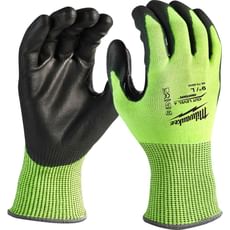
Milwaukee Cut Resistant Gloves
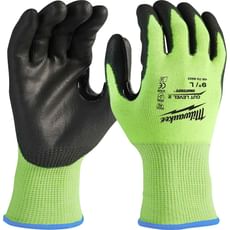
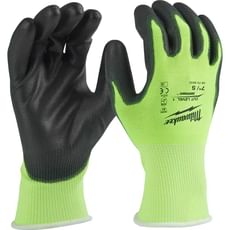
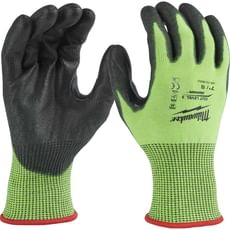
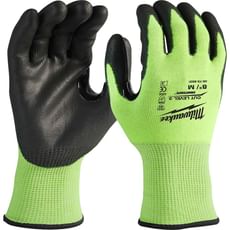
 Loading...
End of content
Error - No more pages to load
Milwaukee Cut Resistant Gloves at Tooled-Up.com
Milwaukee has established itself as a leading manufacturer of personal protective equipment, and their cut resistant gloves represent the pinnacle of hand protection technology for professionals and serious DIY enthusiasts. Known for their relentless commitment to innovation and durability, Milwaukee cut resistant gloves combine advanced materials with practical design features that address the real-world challenges faced by tradespeople every day. These gloves are engineered to provide maximum protection against cuts, slashes, and abrasions whilst maintaining the dexterity and comfort essential for precision work.
The Milwaukee cut resistant gloves collection at Tooled-Up.com showcases the brand's dedication to worker safety without compromising on performance. Each pair is constructed using high-performance fibres and reinforced materials that meet stringent safety standards, offering varying levels of cut resistance to suit different applications and risk levels. From general site work to specialised tasks involving sharp materials, glass handling, or metalworking, Milwaukee has developed gloves that provide the right balance of protection, grip, and tactile sensitivity.
Whether you're a glazier handling sheet glass, a metal fabricator working with sharp edges, or a general tradesman requiring reliable hand protection on site, Tooled-Up stocks Milwaukee cut resistant gloves designed to keep you safe whilst allowing you to work efficiently. These gloves incorporate Milwaukee's signature attention to detail, including ergonomic fit patterns, breathable materials, and reinforcement in high-wear areas to ensure longevity even under the toughest conditions.
Why Choose Milwaukee Cut Resistant Gloves?
Milwaukee's reputation for producing professional-grade tools and equipment extends fully into their range of cut resistant gloves. The brand's commitment to listening to tradespeople and addressing their specific needs has resulted in hand protection that genuinely improves safety without hindering productivity. Milwaukee cut resistant gloves feature advanced cut-resistant materials such as high-performance polyethylene, glass fibre, and steel fibres woven into flexible, comfortable designs that don't sacrifice dexterity for protection.
One of the key advantages of choosing Milwaukee is their rigorous testing protocols and quality control standards. Every glove design undergoes extensive field testing with real tradespeople in actual working conditions, ensuring that the final product performs reliably when it matters most. Milwaukee also focuses on creating gloves with enhanced grip technology, featuring textured palms and fingers that maintain their effectiveness even in wet or oily conditions – a crucial consideration for many trades.
Durability is another hallmark of Milwaukee cut resistant gloves. Reinforced stitching, double-layered high-wear zones, and quality materials ensure these gloves withstand the rigours of daily professional use far longer than budget alternatives. This longevity represents genuine value for money, as tradespeople can rely on consistent protection throughout the glove's extended lifespan rather than frequently replacing inferior products.
Who Uses Milwaukee Cut Resistant Gloves?
Milwaukee cut resistant gloves are trusted by a wide range of professionals who face cut hazards in their daily work:
- Glaziers and window fitters handling sheet glass and mirrors
- Metal fabricators and sheet metal workers working with sharp edges and burrs
- Automotive technicians dealing with sharp components and metal panels
- Construction workers handling materials with sharp edges on building sites
- HVAC installers cutting and fitting metal ductwork
- Demolition specialists working with broken materials and sharp debris
- Carpenters and joiners using sharp hand tools and cutting equipment
- Electricians stripping cables and working with sharp wire ends
- Recycling and waste management operatives handling potentially hazardous materials
- Warehouse and logistics workers unpacking products with sharp packaging materials
Key Features of Milwaukee Cut Resistant Gloves
Milwaukee cut resistant gloves incorporate several distinctive features that set them apart from standard work gloves:
Advanced Cut-Resistant Materials: Milwaukee utilises high-performance fibres including HPPE (High-Performance Polyethylene) and other engineered materials that provide exceptional cut resistance whilst remaining flexible and comfortable. These materials are tested to various EN 388 cut resistance levels, ensuring appropriate protection for different risk levels.
SmartSwipe Technology: Many Milwaukee gloves feature fingertips and thumbs that are compatible with touchscreen devices, allowing users to operate smartphones and tablets without removing their gloves – a practical feature for modern tradespeople who rely on digital job sheets and communication tools.
Enhanced Grip Systems: Textured palms, dipped coatings, and strategic grip zones provide superior hold on tools, materials, and components. Milwaukee's grip technology maintains effectiveness in diverse conditions, from dry indoor environments to wet outdoor sites.
Breathable Construction: Strategic ventilation zones and moisture-wicking materials help regulate hand temperature and reduce perspiration, improving comfort during extended wear and preventing the clammy feeling that can develop with inferior gloves.
Reinforced High-Wear Areas: Additional protection and reinforcement in areas prone to wear – such as fingertips, palms, and the area between thumb and forefinger – significantly extends glove lifespan and maintains protection levels throughout the product's use.
Ergonomic Fit: Milwaukee designs their gloves with natural hand positioning in mind, reducing hand fatigue during extended use. Pre-curved finger patterns and flexible materials allow for natural movement and improved dexterity.
Popular Milwaukee Cut Resistant Gloves
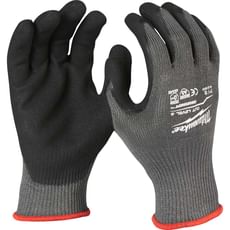
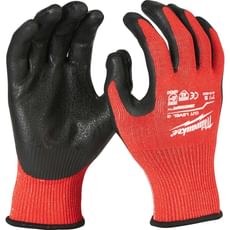
The Milwaukee cut resistant gloves range available from Tooled-Up encompasses various protection levels and specialised designs to suit different applications. Their Level 3 and Level 5 cut resistant gloves are particularly popular amongst tradespeople requiring certified protection against sharp materials. These gloves meet EN 388 standards and provide documented cut resistance performance that satisfies HSE requirements for many professional applications.
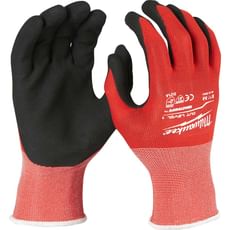
Milwaukee's dipped cut resistant gloves feature protective coatings on the palm and fingers that enhance grip whilst providing additional barrier protection against abrasion and puncture hazards. These are especially favoured by metal workers and fabricators who need to maintain secure grip on slippery materials whilst protecting against sharp edges.
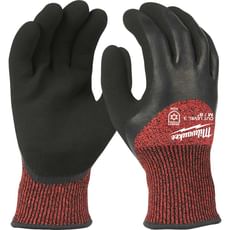
For winter work, Milwaukee offers insulated cut resistant gloves that combine thermal protection with cut resistance – ideal for outdoor trades during colder months when hand protection mustn't compromise warmth. These gloves feature layered construction that traps heat whilst maintaining the flexibility necessary for detailed work.
Milwaukee's seamless knit cut resistant gloves provide maximum dexterity for tasks requiring fine motor control. These lightweight options are popular with electricians, automotive technicians, and others who need cut protection without the bulk of heavier gloves. Despite their slim profile, they still deliver impressive cut resistance through advanced material technology.
Safety and Compliance
Milwaukee cut resistant gloves are manufactured to comply with relevant UK and European safety standards, primarily EN 388:2016, which defines performance requirements for protective gloves against mechanical risks. This standard tests gloves for abrasion resistance, cut resistance, tear resistance, and puncture resistance, assigning performance levels for each category. When selecting Milwaukee cut resistant gloves, users should consider the specific hazards they face and choose gloves with appropriate EN 388 ratings for their application.
The Health and Safety Executive (HSE) requires employers to provide suitable personal protective equipment where risks cannot be adequately controlled by other means. Cut resistant gloves form an essential part of risk control strategies in numerous industries where sharp materials or cutting tools are present. Milwaukee's clear labelling and documentation help ensure compliance with these requirements whilst supporting proper selection for specific tasks.
It's important to note that cut resistant gloves are not cut-proof – they significantly reduce the risk and severity of cut injuries but cannot provide absolute protection against all cutting hazards. Users should always follow proper safe working practices, use appropriate tools correctly, and inspect gloves regularly for signs of damage or wear that might compromise their protective performance. Damaged gloves should be replaced immediately to maintain adequate protection levels.
Proper care extends the life and effectiveness of cut resistant gloves. Milwaukee recommends following the care instructions provided with each pair, which typically include hand washing in lukewarm water and air drying away from direct heat sources. Regular cleaning removes contaminants that could degrade materials and maintains grip performance.
Frequently Asked Questions
What do the different cut resistance levels mean on Milwaukee gloves?
Milwaukee cut resistant gloves are rated according to the EN 388 standard, which assigns cut resistance levels from A to F (under the 2016 standard) or levels 1-5 (under the older 2003 standard). Higher levels indicate greater cut resistance. Level A or 1 provides basic protection suitable for minimal cut hazards, whilst Level F or 5 offers the highest protection for severe cut risks such as handling sharp metal or glass. The specific level required depends on your risk assessment – tradespeople should choose gloves appropriate to the hazards they face.
Can I wash Milwaukee cut resistant gloves?
Yes, most Milwaukee cut resistant gloves can be washed to maintain hygiene and performance. Hand washing in lukewarm water with mild soap is generally recommended. Avoid using bleach or harsh chemicals that could degrade the cut-resistant fibres. Allow gloves to air dry naturally away from direct heat sources – machine drying or radiator drying can damage the materials and reduce their protective properties. Always check the specific care instructions provided with your particular glove model.
How long do Milwaukee cut resistant gloves last?
The lifespan of Milwaukee cut resistant gloves depends on frequency of use, the severity of conditions, and the specific hazards encountered. With proper care and appropriate application, Milwaukee gloves typically outlast budget alternatives significantly due to their reinforced construction and quality materials. However, gloves should be inspected regularly for signs of wear, damage, or loss of integrity. Replace gloves immediately if you notice cuts, tears, excessive thinning, or compromised areas, as damaged gloves cannot provide adequate protection.
Are Milwaukee cut resistant gloves suitable for use with power tools?
Milwaukee cut resistant gloves provide excellent hand protection when using hand tools and handling sharp materials, but they should never be worn when operating rotating power tools such as drills, grinders, or saws. Loose material can catch in rotating machinery, pulling the hand into the danger zone and causing severe injury. For power tool operation, either work bare-handed or use properly fitted gloves specifically designed for that application, and always follow the power tool manufacturer's safety guidance.
Do Milwaukee cut resistant gloves protect against puncture hazards as well?
Milwaukee cut resistant gloves provide varying levels of puncture protection depending on the specific model, as indicated by their EN 388 ratings. The same standard that tests cut resistance also evaluates puncture resistance. However, gloves optimised for cut resistance don't always provide equivalent puncture protection – these are related but distinct hazards requiring different material properties. If your work involves significant puncture risks (such as handling wire, nails, or splinters), check the puncture resistance rating specifically and consider whether a glove designed for multi-hazard protection might be more appropriate.