

Milwaukee Safety & Detectors

 Loading...
End of content
Error - No more pages to load
Milwaukee Safety & Detectors at Tooled-Up.com
Milwaukee has established itself as a leading innovator in professional safety and detection equipment, bringing the same commitment to durability and performance that defines their power tool range. The Milwaukee Safety & Detectors collection represents a comprehensive approach to jobsite protection, combining cutting-edge sensor technology with the rugged construction demanded by UK tradespeople working in challenging environments. From gas detection to personal protective equipment, Milwaukee's safety solutions are engineered to keep professionals protected whilst maintaining the productivity standards expected on modern construction sites.
Tooled-Up.com stocks an extensive selection of Milwaukee safety and detection equipment designed specifically for the demands of professional tradespeople. Milwaukee's approach to safety equipment mirrors their tool philosophy: combining innovative technology with practical, jobsite-ready design. Their detection devices feature advanced sensors capable of identifying multiple hazards, whilst their PPE range incorporates materials and construction methods that balance protection with comfort during extended wear. This integration of technology and practicality has made Milwaukee a trusted choice for contractors, facility managers, and safety professionals across the UK.
The Milwaukee safety range extends beyond basic protective equipment to encompass sophisticated detection technology that helps identify potential hazards before they become dangerous. Their commitment to the ONE-KEY™ ecosystem means many detection devices can integrate with digital tracking systems, providing documentation and compliance records essential for professional contractors. This forward-thinking approach to safety equipment reflects Milwaukee's understanding that modern jobsite safety requires both physical protection and intelligent monitoring systems.
Why Choose Milwaukee Safety & Detectors?
Milwaukee's reputation for building tools that withstand the harshest jobsite conditions translates directly to their safety and detection equipment. Each device is constructed to survive drops, impacts, and exposure to dust and moisture that would compromise lesser equipment. This durability means safety equipment remains reliable when it's needed most, rather than failing at critical moments. Milwaukee's investment in sensor technology ensures accurate readings across varied environmental conditions, from freezing outdoor sites to hot, confined spaces.
The integration of Milwaukee's safety equipment with their broader tool ecosystem provides significant advantages for professional users. Battery compatibility across the M12™ and M18™ platforms means detection devices can share power sources with existing tools, reducing the need to maintain separate battery inventories. The ONE-KEY™ compatibility available on select models allows for digital record-keeping, calibration tracking, and equipment management—features increasingly important for meeting UK health and safety documentation requirements. Milwaukee's focus on user-centric design ensures safety equipment doesn't hinder productivity, with ergonomic housings, clear displays, and intuitive controls that work even when wearing gloves.
Who Uses Milwaukee Safety & Detectors?
Milwaukee Safety & Detectors are chosen by professionals across numerous trades and industries who demand reliable protection:
- Electricians and electrical contractors requiring voltage detection and personal protective equipment for working with live circuits
- Plumbers and heating engineers needing gas detection equipment for identifying leaks and ensuring safe working environments
- General contractors and site managers responsible for maintaining comprehensive safety standards across construction projects
- Facility maintenance teams conducting routine safety inspections and equipment monitoring in commercial buildings
- HVAC technicians working with refrigerants and requiring precise gas detection capabilities
- Industrial maintenance professionals operating in manufacturing environments with multiple potential hazards
- Fire and rescue services utilising advanced detection equipment for emergency response situations
- Health and safety officers conducting workplace assessments and compliance monitoring
- Environmental consultants measuring air quality and identifying contamination in various settings
Key Features of Milwaukee Safety & Detectors
Milwaukee Safety & Detectors incorporate several distinctive features that set them apart from conventional safety equipment. Their multi-gas detection devices utilise advanced electrochemical sensors capable of simultaneously monitoring for multiple hazards including combustible gases, oxygen levels, carbon monoxide, and hydrogen sulphide. The rugged housing construction meets stringent drop-test standards whilst maintaining IP ratings suitable for wet and dusty environments common on UK construction sites.
Many Milwaukee detection devices feature bright, high-contrast displays that remain readable in direct sunlight—a crucial consideration for outdoor work. Audible and visual alarm systems provide unmistakable warnings even in noisy environments, with vibration alerts available on personal monitors. Battery life is optimised to provide full-shift operation, with Milwaukee's REDLITHIUM™ battery technology delivering consistent performance throughout the charge cycle. Calibration indicators and service reminders help ensure equipment remains within specification, supporting compliance with HSE requirements for regularly maintained detection equipment.
The ergonomic design philosophy extends to Milwaukee's PPE range, where protective equipment incorporates materials selected for both safety performance and wearer comfort. High-visibility elements meet EN471 standards for conspicuity in low-light conditions, whilst breathable fabrics and adjustable fittings accommodate extended wear periods. Milwaukee's attention to practical details—such as reinforced stress points and secure pocket configurations—reflects their understanding of real-world working conditions.
Popular Milwaukee Safety & Detectors
The range available from Tooled-Up includes several categories of safety and detection equipment. Milwaukee's gas detection monitors represent a significant portion of their safety offering, with portable personal monitors designed for confined space entry and area monitors suitable for perimeter protection during excavation or industrial maintenance work. These devices typically offer real-time monitoring with data-logging capabilities, allowing comprehensive documentation of environmental conditions throughout a working shift.
Milwaukee's inspection and detection tools include thermal imaging devices that identify temperature differentials useful for locating moisture intrusion, missing insulation, or overheating electrical components. Their inspection cameras feature articulating heads for visual examination in confined spaces, with LED illumination and high-resolution displays. Voltage detection equipment ranges from non-contact testers for quick safety checks to sophisticated multimeters capable of detailed electrical diagnostics.
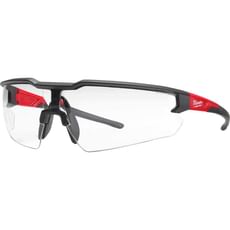
The personal protective equipment line encompasses high-visibility workwear designed to meet UK safety standards whilst incorporating practical features demanded by working professionals. Milwaukee's approach to PPE emphasises durability and functionality, with reinforced construction in high-wear areas and thoughtful pocket placement for tools and devices. Their safety accessories include equipment suitable for eye protection, hearing protection, and respiratory protection appropriate for various construction and industrial environments.
Safety and Compliance
Milwaukee designs their safety and detection equipment to meet or exceed relevant UK and European safety standards. Gas detection devices typically conform to EN 60079 standards for use in potentially explosive atmospheres, whilst personal protective equipment meets specifications outlined in EN standards appropriate to each product category. Regular calibration of detection equipment remains the user's responsibility, with Milwaukee providing clear guidance on calibration intervals and procedures to maintain compliance with HSE requirements.
Proper training in the use of detection equipment is essential for workplace safety. Users should understand the specific gases or hazards their equipment is designed to detect, the meaning of alarm signals, and appropriate responses when hazards are identified. Milwaukee provides comprehensive user documentation detailing operating procedures, maintenance requirements, and limitations of each device. Safety equipment should be inspected before each use, with any damaged or malfunctioning items removed from service immediately.
Record-keeping requirements under UK health and safety legislation mean documentation of equipment calibration, maintenance, and alarm events may be mandatory for certain applications. Milwaukee's ONE-KEY™ compatible devices can assist with this documentation through automated logging and reporting features. However, users remain responsible for ensuring their safety procedures meet all applicable regulations for their specific industry and working environment.
Frequently Asked Questions
Are Milwaukee gas detectors suitable for confined space work in the UK?
Milwaukee gas detection equipment designed for confined space applications meets relevant EN standards and can detect the common hazardous gases encountered in UK confined spaces, including oxygen deficiency, combustible gases, carbon monoxide, and hydrogen sulphide. However, users must ensure the specific model selected is appropriate for their application and that proper confined space entry procedures, including atmospheric testing and continuous monitoring, are followed in accordance with HSE guidance.
How often do Milwaukee detection devices need calibrating?
Calibration intervals depend on the specific device and its application, but Milwaukee typically recommends calibration every six months for gas detection equipment under normal use conditions. More frequent calibration may be necessary for devices exposed to high concentrations of target gases or harsh environmental conditions. Bump testing before each use is recommended to verify sensor functionality. Milwaukee provides calibration services and calibration gas kits to support compliance with HSE requirements for regularly maintained detection equipment.
Can Milwaukee safety equipment integrate with other Milwaukee tools?
Many Milwaukee detection devices are compatible with M12™ or M18™ battery platforms, allowing them to share batteries with other Milwaukee cordless tools. Select models feature ONE-KEY™ technology for digital tracking, inventory management, and documentation of calibration and maintenance records. This integration provides practical benefits for contractors already invested in the Milwaukee tool ecosystem, reducing battery inventory requirements and simplifying equipment management across larger tool fleets.
What warranty coverage does Milwaukee provide on safety and detection equipment?
Milwaukee typically provides warranty coverage on safety and detection equipment, though specific terms may vary by product category. Detection devices with electrochemical sensors may have different warranty periods for the sensor elements compared to the housing and electronics. It's important to note that warranty coverage generally requires proper maintenance including regular calibration, and may not cover consumable components such as sensors that have reached their rated service life. Always register products and retain proof of purchase to ensure warranty eligibility.
Are Milwaukee detection devices approved for use in hazardous area classifications?
Milwaukee manufactures detection equipment suitable for various applications, including some models certified for use in potentially explosive atmospheres according to ATEX and IECEx standards. The specific hazardous area rating varies by model, so users must verify that their chosen device carries appropriate certification for their working environment. Equipment intended for use in Zone 0, Zone 1, or Zone 2 classified areas will display relevant Ex markings and documentation. Always consult the product specifications and comply with your site's hazardous area assessment when selecting detection equipment.