

Moore and Wright Precision Measuring
 Loading...
End of content
Error - No more pages to load
Moore and Wright Precision Measuring at Tooled-Up.com
Moore and Wright has been synonymous with precision engineering and measurement excellence since 1906, earning a distinguished reputation as one of Britain's most trusted manufacturers of precision measuring instruments. The Moore and Wright Precision Measuring range represents over a century of innovation, combining traditional craftsmanship with modern manufacturing techniques to deliver instruments that meet the exacting standards of professional engineers, machinists, and quality control specialists across the UK and beyond.
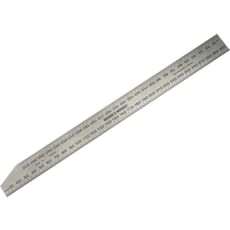
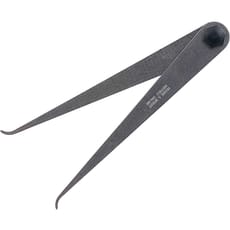
Tooled-Up.com stocks a comprehensive selection of Moore and Wright precision measuring tools, including micrometers, vernier calipers, dial indicators, depth gauges, height gauges, engineers' squares, and a wide array of specialist measurement instruments. Each tool in the Moore and Wright range is manufactured to stringent tolerances, ensuring accuracy and repeatability that professionals demand in workshop environments, inspection departments, and on-site applications where precision is non-negotiable.
From entry-level measurement tools for apprentices and DIY enthusiasts to advanced digital instruments with data output capabilities for modern manufacturing facilities, the Moore and Wright range available from Tooled-Up caters to every precision measuring requirement. Every instrument undergoes rigorous quality control and is supplied with calibration certification where applicable, guaranteeing measurement confidence straight from the box.
Why Choose Moore and Wright Precision Measuring?
Moore and Wright's enduring reputation is built upon an unwavering commitment to accuracy, durability, and reliability. Unlike mass-produced alternatives, Moore and Wright instruments are designed with the working professional in mind, featuring robust construction that withstands the demands of daily workshop use whilst maintaining calibration stability over extended periods. The brand's British engineering heritage ensures that every instrument adheres to traditional values of quality and precision that have made UK-manufactured measurement tools the benchmark for excellence worldwide.
The Moore and Wright quality assurance process is exceptional, with each instrument manufactured to ISO 9001 standards and traceable to national measurement standards. This meticulous attention to detail ensures that whether you're measuring to tolerances of hundredths or thousandths of a millimetre, Moore and Wright instruments deliver consistent, reliable results. The brand's dedication to innovation is evident in their modern digital instruments, which combine traditional mechanical precision with contemporary electronics, offering features such as imperial/metric conversion, data output, and enhanced readability without compromising the tactile feedback and build quality professionals expect.
Who Uses Moore and Wright Precision Measuring?
Moore and Wright precision measuring instruments are the tools of choice for:
- Engineering Machinists – for accurate measurement during CNC and manual machining operations
- Quality Control Inspectors – ensuring components meet specified tolerances and standards
- Tool and Die Makers – requiring precision measurement for jig and fixture manufacture
- Automotive Engineers – measuring engine components, tolerances, and wear patterns
- Model Engineers – demanding accuracy for precision scale model construction
- Aircraft Maintenance Engineers – where precision measurement is critical for safety compliance
- Educational Institutions – training the next generation of engineers with professional-grade instruments
- Fabricators and Welders – ensuring dimensional accuracy in structural and precision fabrication
- Maintenance Technicians – diagnosing wear and maintaining machinery to specification
- Skilled DIY Enthusiasts – pursuing precision in home workshop projects
Key Features of Moore and Wright Precision Measuring
Moore and Wright precision measuring instruments incorporate numerous features that distinguish them from competitors. Hardened and ground measuring faces ensure longevity and resistance to wear, maintaining accuracy throughout the instrument's working life. Precision ground stems and spindles operate smoothly within carefully lapped bearings, providing the tactile feel that experienced engineers rely upon when taking critical measurements.
The vernier scale instruments feature clearly engraved graduations that remain legible even after years of workshop use, whilst digital models incorporate large, easy-to-read LCD displays with excellent viewing angles. Ratchet stops and friction thimbles on micrometers ensure consistent measuring pressure, eliminating operator variation and improving measurement repeatability. Many Moore and Wright instruments feature carbide-tipped measuring faces for extended durability when measuring abrasive materials or in high-volume inspection environments.
Contemporary Moore and Wright digital instruments offer data output capabilities compatible with statistical process control systems, enabling seamless integration into modern quality management workflows. Protection ratings on electronic instruments ensure reliability in workshop environments where coolant, swarf, and contamination are present. Supplied in protective cases, Moore and Wright instruments are designed for both benchtop use and portable measurement applications.
Popular Moore and Wright Precision Measuring
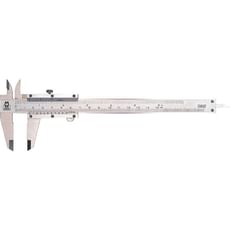
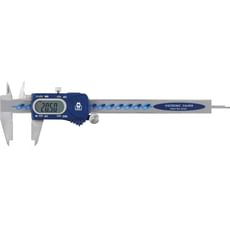
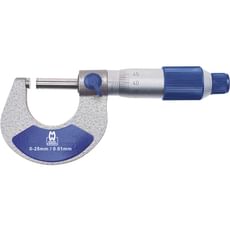
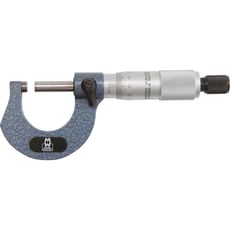
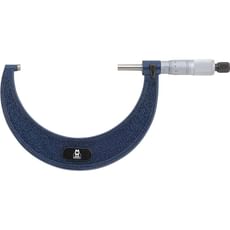
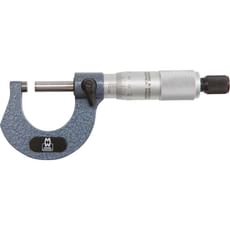
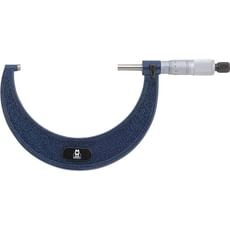
The Moore and Wright range encompasses numerous specialist categories, each addressing specific measurement requirements. Digital and analogue micrometers remain amongst the most popular choices, available in external, internal, and depth configurations with measuring ranges from 0-25mm through to specialist large-capacity models. Vernier calipers in both traditional vernier scale and digital formats offer versatility for external, internal, depth, and step measurements in a single instrument.
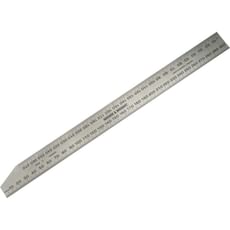
Dial indicators and magnetic bases provide comparative measurement capabilities essential for machine setting, alignment verification, and runout detection. Engineers' squares, straight edges, and precision levels ensure geometric accuracy in machine installation and inspection procedures. Height gauges enable precise vertical measurement and marking operations on surface plates, whilst depth gauges access recesses and bore depths inaccessible to standard measuring instruments. Specialised instruments including bore gauges, radius gauges, feeler gauges, and thread gauges complete the comprehensive Moore and Wright precision measuring portfolio.
Safety and Compliance
Moore and Wright precision measuring instruments are manufactured in accordance with BS EN ISO standards applicable to dimensional measuring equipment. Where electronic instruments are supplied, they comply with UK electrical safety standards and electromagnetic compatibility requirements. Users should observe HSE guidelines regarding workplace measurement practices and ensure instruments are stored appropriately to maintain calibration stability.
Regular calibration verification against certified reference standards is recommended for quality-critical applications, with Moore and Wright instruments designed to facilitate traceable calibration procedures. Measuring faces should be kept clean and protected from impact damage, with periodic application of light corrosion-inhibiting oil recommended for storage. Digital instruments should be stored with batteries removed during extended periods of non-use to prevent corrosion from battery leakage.
Frequently Asked Questions
How often should Moore and Wright measuring instruments be calibrated?
Calibration frequency depends upon usage intensity and criticality of application. For quality-critical manufacturing environments, annual calibration traceable to national standards is typical, though some high-precision applications may require more frequent verification. Workshop instruments in regular use benefit from six-monthly checks, whilst occasional-use tools may require less frequent calibration. Moore and Wright instruments maintain calibration stability exceptionally well when properly stored and handled.
Are Moore and Wright digital instruments suitable for workshop environments?
Yes, Moore and Wright digital measuring instruments are specifically designed for professional workshop use, featuring protection against coolant splash, swarf, and contamination. However, they should not be immersed in liquid or exposed to extreme temperature variations which may affect electronic components. When used in accordance with manufacturer guidelines, digital instruments provide years of reliable service in demanding environments.
What accuracy can I expect from Moore and Wright precision measuring tools?
Accuracy varies by instrument type and measuring range. Moore and Wright micrometers typically offer accuracies of ±2-4 microns depending upon range, whilst vernier calipers generally provide ±20-30 micron accuracy. Digital instruments often match or exceed their analogue equivalents. All instruments are supplied with specifications detailing accuracy, resolution, and measurement uncertainty, with calibration certificates available for traceable applications.
Can Moore and Wright instruments measure in both metric and imperial units?
Moore and Wright offers instruments in dedicated metric, dedicated imperial, and dual-scale formats. Digital instruments frequently feature instant metric/imperial conversion at the touch of a button. Traditional vernier scale instruments are available in either measurement system, with some models featuring dual scales. When selecting instruments, consider your primary measurement requirements and industry standards applicable to your work.
How should I care for my Moore and Wright measuring instruments?
Clean measuring faces after each use with a lint-free cloth, removing any debris, coolant, or contamination. Apply a thin film of light oil to steel components before storage to prevent corrosion. Store instruments in their protective cases away from temperature extremes and magnetic fields. Avoid dropping instruments or allowing measuring faces to contact hard surfaces with force. Handle electronic instruments with batteries removed during long-term storage, and verify calibration periodically against known reference standards.