

Nicholson Flat Files
 Loading...
End of content
Error - No more pages to load
Nicholson Flat Files at Tooled-Up.com
Nicholson has been the trusted name in hand files since 1864, and their flat files represent over 150 years of precision engineering and metalworking expertise. As one of the most respected brands in the hand tool industry, Nicholson flat files are renowned for their exceptional cutting performance, durability, and consistent quality that professional tradespeople and engineers have relied upon for generations. Whether you're working with ferrous metals, non-ferrous materials, or hardwoods, Nicholson flat files deliver the precise material removal and surface finishing that demanding applications require.
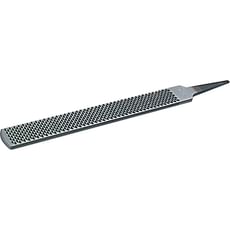
The Nicholson flat file range available from Tooled-Up.com encompasses various cut patterns, lengths, and specifications designed to meet the exacting standards of metalworkers, toolmakers, automotive technicians, and precision engineers. From bastard cut files for rapid stock removal to smooth cut files for fine finishing work, each Nicholson flat file is manufactured using premium alloy steel and undergoes rigorous heat treatment processes to ensure optimal hardness, edge retention, and longevity. The distinctive parallel rectangular profile of these flat files makes them ideal for filing flat surfaces, sharpening straight edges, and creating precise angles in your workpieces.
Tooled-Up stocks Nicholson flat files in both American pattern and Swiss pattern configurations, offering single-cut and double-cut tooth patterns to suit different materials and finishing requirements. Each file features Nicholson's signature ergonomic tang design that accepts standard file handles, providing comfortable control during extended filing operations whilst maintaining the precise balance that professionals demand.
Why Choose Nicholson Flat Files?
Nicholson's reputation for producing superior hand files is built on their proprietary manufacturing processes and unwavering commitment to quality control. Every Nicholson flat file undergoes multiple quality assurance checks throughout production, ensuring that the tooth geometry, hardness, and surface finish meet the exacting standards that have made Nicholson the preferred choice in workshops, factories, and engineering facilities worldwide.
The advanced heat treatment processes employed by Nicholson create files with optimal hardness ratings—hard enough to cut through tough materials efficiently, yet tough enough to resist chipping and premature wear. This balance between hardness and toughness means Nicholson flat files maintain their cutting efficiency far longer than economy alternatives, delivering better value through extended service life. The precision-cut tooth patterns are engineered to prevent clogging whilst providing aggressive material removal, reducing filing time and operator fatigue.
Nicholson's manufacturing heritage combines traditional craftsmanship with modern metallurgical science, resulting in flat files that deliver consistent performance across their entire working surface. The brand's commitment to maintaining manufacturing standards has earned Nicholson recognition from professional bodies and trade organisations, making their files a benchmark against which other manufacturers are measured.
Who Uses Nicholson Flat Files?
- Toolmakers and die makers requiring precision filing for jigs, fixtures, and tooling components
- General engineers and fitters working with ferrous and non-ferrous metals in maintenance and fabrication
- Automotive technicians filing brake components, linkages, and custom fabrication work
- Agricultural engineers maintaining and repairing farm machinery and equipment
- Pattern makers creating precise wooden patterns for foundry work
- Locksmiths filing keys, lock components, and security hardware
- Maintenance engineers performing on-site repairs and adjustments in industrial settings
- Sheet metal workers deburring and edge finishing on fabricated components
- Model makers and prototype engineers requiring fine control for detailed work
- DIY enthusiasts undertaking metalworking projects requiring professional-quality results
Key Features of Nicholson Flat Files
Premium Alloy Steel Construction: Nicholson flat files are manufactured from specially formulated alloy steel that provides the ideal combination of wear resistance and toughness. This material selection ensures consistent cutting performance throughout the file's working life, even when tackling hardened materials.
Precision-Cut Tooth Patterns: Each tooth is individually cut using Nicholson's proprietary processes, creating sharp, uniform cutting edges that remain effective for longer. The tooth geometry is optimised for efficient chip clearance, preventing clogging and maintaining consistent cutting action.
Multiple Cut Grades: Available in bastard cut for rapid stock removal, second cut for general-purpose filing, and smooth cut for finishing operations, allowing tradespeople to select the appropriate aggressiveness for their specific application.
Optimised Hardness Profile: Nicholson's heat treatment processes create files with Rockwell hardness ratings that maximise cutting efficiency whilst maintaining edge integrity, reducing the frequency of file replacement and lowering overall tooling costs.
Ergonomic Tang Design: The tapered tang accepts standard file handles securely and is designed to maintain proper balance during use, reducing hand fatigue during extended filing sessions.
Consistent Dimensions: Nicholson maintains strict dimensional tolerances across their flat file range, ensuring that files remain flat and true throughout their working surface—essential for achieving precise, flat finishes on workpieces.
Popular Nicholson Flat Files
The Nicholson range at Tooled-Up encompasses various lengths and cut patterns to suit different applications. The 10-inch and 12-inch flat files are particularly popular amongst general engineers and fitters, offering an excellent balance between working surface area and manoeuvrability. These mid-range sizes are ideal for most workshop tasks, from deburring machined components to sharpening garden tools.
For precision work, Nicholson's 6-inch and 8-inch flat files provide enhanced control for detailed filing operations, making them favourites with toolmakers and instrument makers. The shorter length allows for more precise material removal and better visibility of the work area, essential when working to tight tolerances.
Nicholson's bastard cut flat files remain the choice for rapid stock removal, featuring coarser teeth that aggressively remove material from soft metals, plastics, and wood. Second cut files offer versatility for general engineering applications, whilst smooth cut files deliver the fine finish required for precision components and surface preparation before final finishing operations.
Safety and Compliance
When using Nicholson flat files, adherence to Health and Safety Executive (HSE) guidelines for hand tool usage is essential. Always fit a proper file handle before use to protect hands from the sharp tang and to maintain control during filing operations. Never use a file without a securely fitted handle, as this poses significant risk of hand injury.
Wear appropriate personal protective equipment including safety glasses or goggles to protect eyes from metal particles, and consider wearing work gloves when handling workpieces, though many experienced filers prefer bare hands for better sensitivity and control. Ensure workpieces are securely clamped in a vice at a comfortable working height—typically elbow height—to maintain proper filing technique and reduce strain.
Store Nicholson flat files separately to prevent teeth damage from contact with other tools. Hanging storage or individual slots in a tool drawer help maintain file sharpness and prevent accidents. Keep files clean and dry, using a file card to remove embedded particles regularly. Replace files when teeth become worn or clogged beyond cleaning, as continuing to use worn files increases the effort required and raises the risk of slipping and injury.
Frequently Asked Questions
What's the difference between single-cut and double-cut Nicholson flat files?
Single-cut files have parallel rows of teeth cut in one direction, producing a smoother finish and are ideal for sharpening, draw filing, and finishing operations on softer materials. Double-cut files feature a second set of teeth cut at an angle to the first, creating a diamond pattern that removes material more aggressively, making them better suited for rapid stock removal on harder metals and general-purpose filing.
How long should a Nicholson flat file last?
The lifespan of a Nicholson flat file depends on usage intensity, materials being filed, and maintenance practices. With proper care—including regular cleaning with a file card, appropriate storage, and use only on materials within the file's specification—a Nicholson flat file can provide years of reliable service in professional environments. The premium steel and heat treatment used in Nicholson files typically delivers 2-3 times the service life of economy alternatives.
Can Nicholson flat files be used on hardened steel?
Standard Nicholson flat files are designed for materials up to approximately 400 Brinell hardness. Whilst they will mark fully hardened tool steel, they're not recommended for regular use on such materials as this will rapidly wear the teeth. For hardened materials, consider Nicholson's specialist files or alternative finishing methods such as grinding or honing.
What length flat file should I choose for general workshop use?
For most general engineering and maintenance applications, a 10-inch or 12-inch Nicholson flat file offers the best versatility. These lengths provide sufficient working surface for efficient material removal whilst remaining manageable for controlled, precise work. Having both a bastard cut for heavy stock removal and a second cut for general work covers the majority of workshop filing requirements.
How should I clean and maintain my Nicholson flat files?
Clean Nicholson flat files regularly using a file card (a brush with short steel bristles) to remove embedded metal particles, always brushing along the length of the teeth, never across them. For stubborn debris, chalk applied to the file surface before use can help prevent clogging. Store files in a dry environment, hanging them individually or placing them in separate compartments to prevent tooth damage. Never use files as pry bars or hammers, and avoid contact with moisture to prevent rust formation.