

Rawlplug Hammer In Fixings

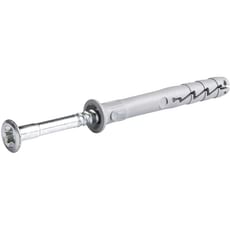
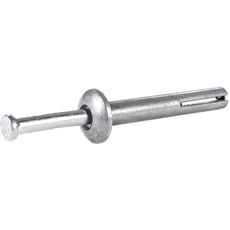
Rawl FX-N-L Nylon Hammer In Fixing with A2 Steel Countersunk Head Screw
in stock
 Loading...
End of content
Error - No more pages to load
Rawlplug Hammer In Fixings at Tooled-Up.com
Rawlplug has been a trusted name in fixings technology since 1887, pioneering innovative fastening solutions for construction professionals worldwide. Their hammer in fixings range represents decades of engineering expertise, delivering reliable, high-performance fixing solutions for masonry, concrete, and brick applications. These fixings are designed for speed and simplicity, allowing tradespeople to achieve secure installations without the need for power tools or pre-drilling in many applications.
The Rawlplug hammer in fixings collection available from Tooled-Up.com encompasses a comprehensive selection of nails, frame fixings, and specialist fasteners engineered for demanding installation environments. From their renowned universal frame fixings to heavy-duty concrete nails, each product in the range undergoes rigorous testing to ensure consistent performance across varied substrate conditions. Whether securing door frames, window installations, or fixing timber to masonry, Rawlplug's hammer-driven solutions deliver the holding power and durability that professional installers demand.
Manufactured to exacting British and European standards, Rawlplug hammer in fixings feature advanced materials and coatings designed to resist corrosion and maintain structural integrity in both interior and exterior applications. The brand's commitment to quality engineering ensures that each fixing provides optimal load-bearing capacity whilst remaining straightforward to install, even in challenging site conditions.
Why Choose Rawlplug Hammer In Fixings?
Rawlplug's reputation for excellence in the fixings industry stems from their unwavering commitment to innovation and quality control. Their hammer in fixings are manufactured using premium-grade steel with specialised heat treatments that provide exceptional shear and tensile strength. The company's rigorous testing protocols ensure every fixing meets or exceeds relevant safety standards, giving installers complete confidence in the reliability of their work.
Time efficiency is a hallmark of Rawlplug hammer in fixings. Unlike conventional fixing methods requiring drilling equipment, battery management, and dust extraction, these fixings can be installed rapidly with just a hammer. This significantly reduces installation time on projects involving multiple fixing points, improving productivity and reducing labour costs. The fixings are engineered with precision-formed points that penetrate substrates cleanly without causing excessive material damage or cracking.
Versatility across applications makes Rawlplug hammer in fixings an essential addition to any tradesperson's toolkit. The range accommodates everything from lightweight timber-to-masonry connections to heavy-duty structural applications, with load ratings clearly specified for professional compliance with building regulations. Their superior holding power in various base materials, including solid brick, concrete blocks, and dense concrete, ensures consistent performance regardless of substrate variability encountered on site.
Who Uses Rawlplug Hammer In Fixings?
- Carpenters and joiners installing door frames, window frames, and timber fixtures to masonry walls
- General builders requiring fast, reliable fixings for framework and battening applications
- Shop fitters securing display fixtures, partition frameworks, and mounting systems
- Shopfitters and dry liners fixing metal tracks and timber battens to concrete and blockwork
- Maintenance teams in commercial and industrial settings requiring quick repairs and installations
- Groundworkers and civil engineers for temporary and permanent fixing applications
- DIY enthusiasts undertaking home improvement projects requiring professional-grade fixings
- Contractors working on new builds, extensions, and renovation projects
Key Features of Rawlplug Hammer In Fixings
Rawlplug's hammer in fixings incorporate several distinctive features that enhance installation efficiency and long-term performance. The hardened steel construction ensures the fixing point remains undamaged during installation, even when driven through dense materials. Specialised tip geometries are engineered to reduce the force required for penetration whilst maintaining directional accuracy, minimising the risk of bending or deflection during installation.
Many fixings in the range feature advanced corrosion protection systems, including galvanised and zinc-plated finishes suitable for external applications and environments with elevated moisture levels. This ensures longevity and maintains structural integrity throughout the service life of the installation. The fixings are designed with optimised shank profiles that create mechanical interlock with the substrate, providing superior pull-out resistance compared to standard nail fixings.
Product identification is simplified through clear marking systems and colour-coded packaging, allowing tradespeople to quickly select the appropriate fixing for specific applications and load requirements. Rawlplug provides comprehensive technical documentation, including load tables and substrate compatibility charts, ensuring installers can specify fixings with confidence and maintain compliance with building regulations.
Popular Rawlplug Hammer In Fixings
Tooled-Up stocks an extensive selection of Rawlplug's most widely specified hammer in fixings. Their universal frame fixings remain a staple for window and door installation professionals, offering adjustable depth settings and exceptional holding power in varied masonry types. These fixings combine the speed of hammer installation with the reliability of mechanical expansion, creating secure connections between timber frames and masonry substrates.
Rawlplug concrete nails represent another popular choice, available in various lengths and diameters to suit different application requirements. Manufactured from hardened steel with fluted shanks for enhanced grip, these nails are ideal for fixing timber sole plates, battens, and lightweight fixtures directly to concrete floors and walls. The brand's cut nails offer traditional reliability for heritage restoration work and applications where period-appropriate fixings are specified.
For heavier-duty applications, Rawlplug's range includes specialist hammer drive fixings with larger diameters and enhanced load capacities suitable for structural timber connections and heavy framework installations. These products deliver the holding power of drilled and plugged fixings whilst maintaining the installation speed advantages of hammer-driven systems.
Safety and Compliance
All Rawlplug hammer in fixings supplied through Tooled-Up comply with relevant British Standards and European harmonised standards for mechanical fasteners. The company maintains comprehensive technical approvals and certifications, ensuring their products meet the stringent requirements for use in structural applications. Load data is provided in accordance with UK building regulations, enabling specifiers and installers to determine appropriate fixing selection for specific loading conditions.
Safe installation practices are essential when using hammer in fixings. Appropriate personal protective equipment should always be worn, including safety glasses to protect against flying debris and gloves to prevent hand injuries. Installers should ensure adequate clearance around the work area and verify that no services are concealed within the substrate before driving fixings. The use of properly maintained hammers of appropriate weight ensures efficient installation whilst reducing the risk of repetitive strain injuries.
Frequently Asked Questions
What substrates are suitable for Rawlplug hammer in fixings?
Rawlplug hammer in fixings are designed for use in solid masonry substrates including concrete, dense concrete blocks, engineering bricks, and solid brick. They are not suitable for hollow blocks, lightweight aggregate blocks, or cavity walls without appropriate assessment. Always verify substrate suitability and consult technical documentation for specific product recommendations based on base material density and application loads.
How do Rawlplug hammer in fixings compare to drilled and plugged alternatives?
Hammer in fixings offer significantly faster installation times as they eliminate drilling, dust extraction, and plug insertion steps. For appropriate applications with suitable substrates, they provide comparable holding power whilst reducing labour time by up to 70%. However, drilled fixings may be preferable for maximum load capacity in critical structural applications or when working with variable or unknown substrate conditions.
Can Rawlplug hammer in fixings be used in external applications?
Yes, many Rawlplug hammer in fixings feature corrosion-resistant coatings suitable for external use. Products with galvanised or zinc-plated finishes provide protection against moisture and weathering. Always check the specific product technical data to confirm suitability for external applications and consider the exposure category and expected service life requirements of the installation.
What size hammer should be used for installing Rawlplug hammer in fixings?
A standard club hammer weighing between 1kg and 2kg is generally suitable for most Rawlplug hammer in fixings. Heavier hammers may be required for larger diameter fixings or particularly dense substrates. Using an appropriately weighted hammer ensures efficient installation whilst reducing installer fatigue and minimising the risk of damaging the fixing or substrate through excessive impact force.
Are load ratings provided for Rawlplug hammer in fixings?
Yes, Rawlplug provides comprehensive technical data for all their hammer in fixings, including tensile and shear load capacities for various substrate types and densities. This information enables proper fixing selection in accordance with structural requirements and building regulations. Load data is typically provided with safety factors already applied, though designers should verify appropriate usage within their specific application context.