

Rawlplug Masonry Nails

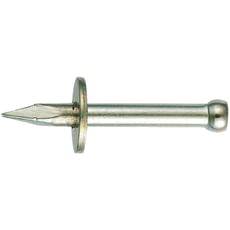
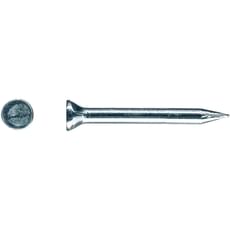
 Loading...
End of content
Error - No more pages to load
Rawlplug Masonry Nails at Tooled-Up.com
Rawlplug has established itself as a trusted name in fixing and fastening solutions, and their masonry nails exemplify the brand's commitment to quality and reliability. Designed specifically for fixing into hard materials such as brick, concrete, and blockwork, Rawlplug masonry nails deliver exceptional holding power and durability in demanding applications. Whether you're fixing timber battens, securing metal brackets, or installing cladding, these hardened steel fixings provide a dependable solution for both professional tradespeople and serious DIY enthusiasts.
With decades of experience in developing innovative fixing solutions, Rawlplug understands the challenges faced when working with masonry substrates. Their masonry nails are engineered to penetrate tough materials without bending or breaking, whilst maintaining the structural integrity required for secure, long-lasting installations. Tooled-Up.com stocks a comprehensive selection of Rawlplug masonry nails to meet the diverse needs of construction and renovation projects across the UK.
From standard hardened steel nails to specialised variants with enhanced corrosion resistance, the Rawlplug masonry nail range caters to various substrates, load requirements, and environmental conditions. Each product is manufactured to exacting standards, ensuring consistent performance and reliability that professionals demand on site.
Why Choose Rawlplug Masonry Nails?
Rawlplug's reputation in the fixing industry spans over a century, and their masonry nails reflect this heritage of innovation and quality. The brand's commitment to research and development ensures that each nail is optimised for maximum penetration and holding power, reducing installation time and minimising the risk of bending during driving. The hardened steel construction provides exceptional durability, allowing these fixings to withstand the rigours of demanding construction environments.
Quality control is paramount in Rawlplug's manufacturing process, with each batch of masonry nails subjected to rigorous testing to ensure consistent performance. The precise geometry of the nail point facilitates easier penetration into hard masonry materials, whilst the fluted or grooved shank designs on certain variants enhance grip and pull-out resistance. This attention to detail translates into fewer failed fixings, reduced waste, and greater confidence for installers working to tight deadlines.
Rawlplug masonry nails are also recognised for their versatility, performing reliably across a wide range of base materials from dense engineering brick to softer aerated concrete blocks. This adaptability makes them an economical choice for contractors who require a single fixing solution for multiple substrate types on varied projects.
Who Uses Rawlplug Masonry Nails?
- General Builders: For securing timber frames, battens, and fixing brackets during construction and renovation work
- Carpenters and Joiners: Installing timber components to masonry substrates, including door frames and skirting boards
- Roofers: Fixing roof battens, fascias, and soffit boards to masonry walls
- Electricians: Securing cable clips, conduit brackets, and back boxes to brick and concrete surfaces
- Plumbers: Installing pipe clips and mounting brackets in residential and commercial properties
- Shopfitters: Fixing timber and metal components during retail and commercial fit-out projects
- Maintenance Contractors: Carrying out repairs and installations across various property types
- DIY Enthusiasts: Tackling home improvement projects requiring secure fixings into masonry
Key Features of Rawlplug Masonry Nails
Hardened Steel Construction: Manufactured from high-quality hardened steel to resist bending and breaking during installation, even in the densest masonry materials. This ensures reliable penetration and reduces wastage from damaged fixings.
Optimised Point Geometry: Precision-engineered points facilitate easier penetration and reduce the force required for driving, minimising installer fatigue and speeding up installation times on larger projects.
Enhanced Grip Design: Many Rawlplug masonry nails feature fluted or grooved shanks that increase surface area contact with the base material, providing superior pull-out resistance and enhanced load-bearing capacity.
Corrosion Protection: Selected variants within the range feature protective coatings or galvanised finishes, making them suitable for external applications or environments with elevated moisture levels.
Range of Sizes: Available in various lengths and diameters to accommodate different substrate depths, material thicknesses, and load requirements, ensuring the right specification for every application.
Popular Rawlplug Masonry Nails
The Rawlplug masonry nail range at Tooled-Up encompasses several popular variants designed for specific applications. Standard hardened steel masonry nails remain the most widely used option for general fixing tasks, offering excellent value and reliable performance across common masonry substrates. These are ideal for internal applications where corrosion resistance is not a primary concern.
For external installations or damp environments, galvanised masonry nails provide enhanced protection against rust and corrosion, extending the service life of the fixing and preventing unsightly staining on surrounding materials. These are particularly popular for roofing applications and external timber cladding installations.
Fluted masonry nails, featuring grooved shanks for improved grip, are favoured by professionals working with challenging substrates or applications requiring higher pull-out resistance. The enhanced mechanical grip makes these especially suitable for fixing battens in suspended ceiling installations or securing heavy brackets.
Safety and Compliance
Rawlplug masonry nails are manufactured to comply with relevant British and European standards for fixing products, ensuring consistent quality and performance. When installing masonry nails, appropriate personal protective equipment should always be worn, including safety glasses to protect against flying debris and gloves to prevent hand injuries.
Proper installation technique is essential for achieving optimal performance and maintaining workplace safety. Always ensure the nail length is appropriate for the combined thickness of the material being fixed plus adequate embedment depth into the masonry substrate. Use a suitable hammer weight and striking technique to avoid glancing blows that could cause the nail to deflect or create hazardous flying debris.
For compliance with Health and Safety Executive (HSE) guidelines, assess the suitability of masonry nails for the intended load-bearing application, particularly in structural scenarios. Consider factors such as substrate condition, environmental exposure, and dynamic loading when specifying fixings for critical applications.
Frequently Asked Questions
What's the difference between standard and galvanised Rawlplug masonry nails?
Standard hardened steel masonry nails are suitable for internal, dry applications where corrosion is not a concern. Galvanised variants feature a protective zinc coating that provides excellent corrosion resistance, making them ideal for external use, damp environments, or applications where longevity is critical. The galvanised finish also prevents rust staining on adjacent materials.
Can Rawlplug masonry nails be used in concrete blocks as well as brick?
Yes, Rawlplug masonry nails are designed to perform reliably across various masonry substrates including common brick, engineering brick, concrete blocks, and dense aggregate blocks. However, ensure you select the appropriate length and diameter for your specific substrate density and the thickness of material being fixed. Softer substrates like aerated concrete blocks may require longer nails to achieve adequate embedment depth.
What size hammer should I use to drive Rawlplug masonry nails?
A standard club hammer (lump hammer) weighing between 1kg and 2kg is typically ideal for driving masonry nails. The heavier weight provides sufficient striking force to penetrate hard masonry materials without requiring excessive effort. Avoid using lightweight hammers which may require multiple strikes and increase the risk of the nail bending. Always wear appropriate eye protection when hammering masonry nails.
How deep should masonry nails penetrate into the substrate?
As a general rule, masonry nails should penetrate at least 25-30mm into the masonry substrate for adequate holding power in non-structural applications. For load-bearing applications or installations into softer materials, greater embedment depth may be required. Always account for the thickness of the material being fixed when selecting nail length, ensuring sufficient penetration depth remains.
Are Rawlplug masonry nails suitable for fixing into rendered walls?
Whilst Rawlplug masonry nails can penetrate through render, it's essential that the nail achieves adequate embedment into the solid masonry substrate behind the render layer. The render itself provides negligible holding power, so select a nail length that accounts for both the render thickness and the required penetration depth into the brick or blockwork beneath. For thick render applications, alternative fixing methods may be more appropriate.