

Ridgid Detectors & Testing Tools
 Loading...
End of content
Error - No more pages to load
Ridgid Detectors & Testing Tools at Tooled-Up.com
Ridgid has established itself as a trusted name in professional detection and testing equipment, delivering robust, accurate tools designed for the demanding requirements of tradespeople and contractors. The Ridgid Detectors & Testing Tools range combines innovative technology with practical durability, ensuring reliable performance across diverse job sites. From advanced pipe and cable detection systems to sophisticated diagnostic equipment, Ridgid's testing tools are engineered to help professionals work more efficiently whilst maintaining the highest safety standards.
Built to withstand harsh working environments, Ridgid detection equipment features ruggedised housings, clear displays, and intuitive controls that make complex diagnostic tasks straightforward. Whether locating buried utilities, identifying electrical faults, or conducting routine maintenance checks, Ridgid's testing instruments provide the precision and reliability that UK tradespeople depend upon. Tooled-Up.com stocks Ridgid's professional-grade detection and testing solutions, offering equipment that meets the exacting standards required for commercial, industrial, and residential applications.
Ridgid's commitment to innovation is evident throughout their testing tool lineup, incorporating features such as multi-frequency detection, integrated data logging, and enhanced signal processing. These technological advances help professionals complete diagnostic work faster and more accurately, reducing costly errors and minimising downtime on site. Each tool undergoes rigorous quality testing to ensure it delivers consistent performance even in challenging conditions.
Why Choose Ridgid Detectors & Testing Tools?
Ridgid's reputation for manufacturing durable, reliable equipment extends comprehensively to their detection and testing tool range. Professional users choose Ridgid because these instruments consistently deliver accurate readings in real-world conditions where precision matters most. The brand's focus on practical design means their testing tools feature large, easy-to-read displays, ergonomic grips, and controls that remain accessible even when wearing work gloves.
Durability is paramount in Ridgid's design philosophy. Their detectors and testing tools incorporate protective rubber overmoulding, reinforced housings, and sealed electronics that resist dust, moisture, and impact damage. This robust construction significantly extends tool lifespan, providing excellent value for professional users who demand equipment capable of withstanding daily site work. Ridgid also backs their products with comprehensive warranty coverage, demonstrating confidence in their manufacturing quality and giving tradespeople peace of mind when investing in professional equipment.
The accuracy and reliability of Ridgid testing instruments have made them favourites amongst professionals who cannot afford measurement errors. Advanced calibration procedures and quality control processes ensure each unit meets strict performance specifications. Many Ridgid detectors feature automatic calibration functions and self-diagnostic routines that maintain accuracy throughout the tool's working life.
Who Uses Ridgid Detectors & Testing Tools?
Ridgid's detection and testing equipment serves a diverse range of professional trades and applications:
- Electricians and electrical contractors requiring reliable circuit testing and fault diagnosis equipment
- Plumbers and heating engineers who need pipe detection and leak location tools for installation and maintenance work
- Groundworkers and civil engineers locating buried utilities before excavation projects
- Building maintenance professionals conducting routine inspections and diagnostic assessments
- Surveyors and construction managers performing site investigations and pre-construction surveys
- Facilities management teams maintaining commercial and industrial properties
- Utility companies mapping and maintaining underground infrastructure
- Telecommunications engineers tracing cables and identifying network faults
- Serious DIY enthusiasts undertaking substantial home renovation projects
Key Features of Ridgid Detectors & Testing Tools
Ridgid incorporates several distinctive features across their detection and testing tool range that enhance usability and performance. Multi-mode detection capabilities allow users to switch between different frequencies and detection methods, adapting to various materials and environments. This versatility makes Ridgid equipment suitable for diverse applications without requiring multiple specialised devices.
Integrated LCD displays with backlighting ensure readings remain visible in low-light conditions common on construction sites and in service areas. Many Ridgid testing tools feature adjustable sensitivity settings, enabling users to fine-tune detection parameters for optimal accuracy in different situations. Audio and visual indicators provide clear feedback, allowing operators to interpret results quickly without constantly monitoring displays.
Battery management systems with power-saving modes extend operational time between charges, crucial for professionals working extended shifts or in remote locations. Some Ridgid detectors incorporate data logging functionality, recording measurements for documentation and quality assurance purposes. Protective features such as auto-shutoff prevent battery drain, whilst overload protection safeguards sensitive electronics from damage.
The ergonomic design of Ridgid testing instruments reduces operator fatigue during prolonged use. Balanced weight distribution, comfortable grip profiles, and strategically positioned controls allow natural hand positioning that minimises strain. Durable carrying cases provided with many Ridgid detection tools protect equipment during transport and storage whilst keeping accessories organised.
Popular Ridgid Detectors & Testing Tools
The Ridgid selection at Tooled-Up features several key product categories within the detection and testing range. Ridgid's pipe and cable locators utilise advanced signal transmission and reception technology to accurately identify the position and depth of buried utilities, helping prevent costly strikes during excavation work. These systems typically include both transmitter and receiver units, offering multiple frequency options for different applications.
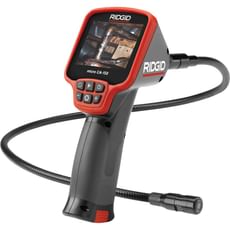
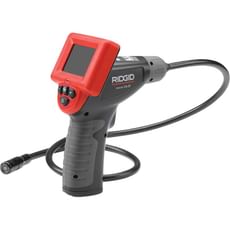
Ridgid inspection cameras provide visual access to confined spaces, pipe interiors, and wall cavities where direct observation is impossible. Featuring high-resolution colour displays, adjustable LED lighting, and flexible probes, these diagnostic tools help professionals identify blockages, structural issues, and installation problems quickly. Many models include recording capabilities for documentation purposes.
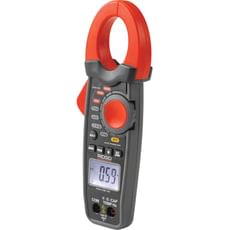
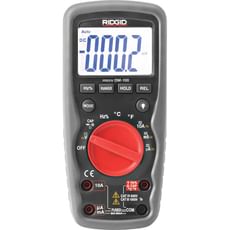
Multimeters and electrical testing equipment from Ridgid deliver accurate voltage, current, and resistance measurements essential for electrical installation and maintenance work. Designed to meet UK safety standards for working with 240V systems, these instruments incorporate appropriate safety ratings and protective features. Ridgid also offers specialised detection tools for identifying live wires, metal studs, and moisture within walls, invaluable for renovation and installation projects.
Safety and Compliance
Safety remains paramount when using detection and testing equipment, particularly when working near electrical installations or buried utilities. Ridgid designs their testing tools to comply with relevant UK and European safety standards, including appropriate EN ratings for electrical test equipment. Users should always verify that detection equipment is suitable for the specific application and voltage levels encountered.
Before conducting any detection work, professionals should consult utility maps and drawings to identify known underground services. Ridgid detection equipment should be used in conjunction with safe digging practices, never as the sole means of utility location. Regular calibration checks and battery condition monitoring ensure testing tools maintain accuracy and reliability.
When working with electrical testing equipment, appropriate personal protective equipment (PPE) must be worn, and Health and Safety Executive (HSE) guidelines followed. Ridgid electrical testers should only be used by competent persons who understand the risks associated with live electrical work. Always isolate circuits before conducting tests where possible, and use appropriate lock-off procedures to prevent accidental re-energisation.
Frequently Asked Questions
Are Ridgid detectors suitable for locating all types of buried utilities?
Ridgid pipe and cable locators are designed to detect conductive materials including metal pipes, cables, and reinforcement bars. Detection effectiveness depends on the material, depth, and surrounding soil conditions. Non-conductive materials such as plastic pipes require indirect detection methods or may need tracer wires installed. Always consult utility plans and use appropriate detection frequencies for the target material.
How deep can Ridgid detection equipment locate buried services?
Detection depth varies depending on the specific Ridgid model, signal strength, soil conditions, and target material. Professional-grade Ridgid locators typically detect utilities at depths ranging from surface level to several metres underground. Optimal detection occurs within the first 2-3 metres, with accuracy diminishing at greater depths. Always verify detections through multiple passes and consider using alternative detection methods for deep utilities.
Can Ridgid testing tools be used for 240V electrical systems in the UK?
Yes, Ridgid manufactures testing equipment specifically rated for use with UK electrical systems operating at 240V. Always verify that any electrical testing tool displays appropriate voltage ratings and compliance markings before use. Ridgid multimeters and circuit testers designed for professional use typically feature CAT safety ratings indicating their suitability for different electrical environments and voltage levels.
How often should Ridgid detection equipment be calibrated?
Calibration frequency depends on usage intensity and manufacturer recommendations. Professional users should calibrate detection equipment at least annually, or more frequently if used daily or in demanding conditions. Many Ridgid testing tools feature automatic calibration routines that should be performed before each use. Keep calibration records for quality assurance purposes, and have equipment professionally serviced if accuracy concerns arise.
What warranty coverage does Ridgid provide on their testing tools?
Ridgid typically offers comprehensive warranty coverage on their professional detection and testing equipment, though specific terms vary by product. Warranty coverage generally includes manufacturing defects and material failures under normal use conditions. Register products after purchase to activate warranty protection, and retain proof of purchase. Accidental damage, misuse, and normal wear items may not be covered under standard warranty terms.