

Ridgid Dies
 Loading...
End of content
Error - No more pages to load
Ridgid Dies at Tooled-Up.com
Ridgid has established itself as a trusted name in pipe threading and pipe working solutions, and their dies represent some of the finest precision-engineered products available to professionals across the UK. Threading dies are essential tools for creating accurate, leak-free threaded connections on pipes and conduits, and Ridgid's reputation for manufacturing dies that deliver consistent, high-quality threads has made them the go-to choice for plumbers, pipefitters, and mechanical engineers who demand reliability on every job.
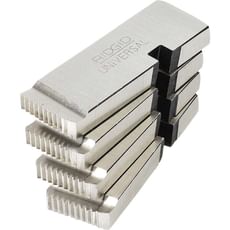
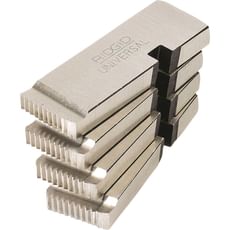
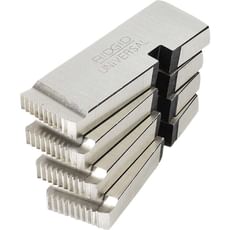
The Ridgid dies range available from Tooled-Up.com encompasses threading dies designed to work seamlessly with Ridgid pipe threading machines and manual threaders. These precision tools are manufactured to exacting standards, ensuring that each thread cut meets BSP (British Standard Pipe) and other international threading specifications. Whether you're working with steel, stainless steel, copper, or plastic pipes, Ridgid produces dies in various sizes and configurations to handle the diverse threading requirements encountered on modern worksites.
Ridgid threading dies are engineered for longevity and consistent performance, even under the demanding conditions typical of construction sites, mechanical rooms, and installation projects. The company's commitment to quality means that tradespeople can rely on these dies to produce clean, accurate threads time after time, reducing the risk of leaks and callbacks whilst maintaining productivity throughout the working day.
Why Choose Ridgid Dies?
Ridgid's reputation in the pipe working industry spans decades, built on a foundation of innovation, durability, and professional-grade performance. Their threading dies are manufactured using premium-grade materials and undergo rigorous quality control processes to ensure they meet the demanding standards expected by UK tradespeople. The precision engineering behind every Ridgid die means that threads are cut cleanly and accurately, creating secure connections that stand the test of time.
One of the key advantages of choosing Ridgid dies is their compatibility with the extensive Ridgid threading equipment ecosystem. This integration ensures optimal performance and reduces the likelihood of compatibility issues that can slow down work and compromise thread quality. Additionally, Ridgid dies are designed for easy installation and removal, minimising downtime when switching between different pipe sizes or thread types.
Durability is another hallmark of Ridgid dies. Constructed to withstand the rigours of daily professional use, these dies maintain their cutting edge and threading accuracy far longer than inferior alternatives. This longevity translates into better value for money and fewer replacements over the lifetime of your threading equipment, making them a sound investment for busy professionals and established businesses alike.
Who Uses Ridgid Dies?
- Plumbers and Heating Engineers: Creating threaded connections for water supply, heating systems, and drainage applications
- Pipefitters: Installing and maintaining industrial piping systems in commercial and industrial facilities
- Gas Engineers: Threading pipes for gas distribution systems where precision and safety are paramount
- Mechanical Services Contractors: Working on HVAC installations and maintenance projects
- Maintenance Teams: Facilities management professionals maintaining building services infrastructure
- Marine Engineers: Installing and repairing piping systems on vessels and offshore installations
- Construction Contractors: Undertaking first-fix and second-fix mechanical installations on building projects
- Plant Engineers: Maintaining industrial process piping in manufacturing and production environments
Key Features of Ridgid Dies
Ridgid dies incorporate several distinctive features that set them apart from competing products. The precision-ground cutting edges ensure clean, accurate threads that meet or exceed BSP and ISO standards, critical for creating leak-free connections in pressurised systems. The heat-treated construction provides exceptional hardness and wear resistance, allowing these dies to maintain their cutting performance through thousands of threading operations.
Many Ridgid dies feature clearly marked size indicators, making it easy for tradespeople to quickly identify the correct die for each job, reducing errors and improving workflow efficiency. The dies are engineered with optimal chip clearance, preventing the accumulation of swarf that can compromise thread quality and damage the cutting surfaces. This thoughtful design consideration contributes to cleaner threads and extends die life.
Ridgid's manufacturing processes ensure consistent dimensions across their dies range, providing reliable thread pitch and depth regardless of pipe size. This consistency is crucial for professionals who need to trust that every threaded connection will meet specification without extensive checking or rework. The dies are also designed to minimise the force required during threading operations, reducing operator fatigue during extended use whilst maintaining cutting efficiency.
Popular Ridgid Dies
The Ridgid threading dies catalogue encompasses a comprehensive selection designed to handle the full spectrum of pipe threading requirements encountered by UK tradespeople. High-speed steel (HSS) dies represent one of the most popular categories, offering an excellent balance of cutting performance and longevity for standard steel and iron pipes in common sizes from 1/8" to 2" BSP.
For professionals working with stainless steel or harder materials, Ridgid manufactures specialised dies with enhanced cutting geometries and coatings that reduce friction and heat build-up during threading operations. Alloy pipe dies are particularly valued in industries where corrosion resistance demands stainless steel installations, such as food processing, pharmaceutical manufacturing, and marine applications.
Tooled-Up stocks Ridgid dies compatible with various threading machines and manual threaders, including drop-head machine dies, bolt-type pipe dies, and adjustable dies for hand-held threading equipment. Dies for both right-hand and left-hand threads are available to accommodate the full range of threading applications, whilst NPT (National Pipe Thread) dies serve industries with American threading standards requirements.
Safety and Compliance
When using Ridgid threading dies, adherence to proper safety procedures is essential for protecting operators and ensuring quality results. Always wear appropriate personal protective equipment, including safety glasses or face shields to protect against flying metal chips, and heavy-duty gloves when handling dies or threaded pipes. Ensure threading machines are properly guarded and that all safety interlocks are functioning correctly before commencing work.
Ridgid dies should be used exclusively with the appropriate threading equipment and cutting oils recommended by the manufacturer. Using incorrect lubricants or operating dies dry can result in poor thread quality, premature die wear, and increased risk of operator injury. Regular inspection of dies for wear, damage, or dull cutting edges is crucial – damaged dies should be removed from service immediately to prevent substandard threads and potential equipment damage.
Threading operations should be conducted in accordance with Health and Safety Executive (HSE) guidelines for metalworking operations. Ensure adequate chip extraction or containment to prevent accumulation of sharp metal swarf, and maintain a clean, organised workspace to reduce trip hazards. When threading pipes that will carry gas or pressurised fluids, all threads must be inspected to ensure they meet the relevant British Standards and building regulations before installation.
Frequently Asked Questions
Are Ridgid dies compatible with threading machines from other manufacturers?
Whilst Ridgid dies are engineered specifically for optimal performance with Ridgid threading equipment, many are compatible with other machines that use the same mounting standards. However, Tooled-Up recommends verifying compatibility with your specific threading machine model before purchase to ensure proper fit and optimal threading performance.
How do I know when Ridgid threading dies need replacing?
Signs that dies require replacement include difficulty starting threads, rough or torn thread surfaces, inconsistent thread depth, excessive force required during threading, or visible damage to cutting edges. Regular inspection and proper maintenance with appropriate cutting oils will maximise die life, but even quality dies eventually wear and require replacement to maintain threading accuracy.
Can Ridgid dies be resharpened to extend their service life?
Professional resharpening services can restore the cutting edges of some Ridgid dies, potentially extending their useful life. However, this requires specialised equipment and expertise to maintain the precise cutting geometry necessary for accurate threading. Many professionals find that the cost and inconvenience of resharpening makes replacement with new dies more practical, particularly for commonly used sizes.
What's the difference between HSS and alloy dies from Ridgid?
High-speed steel (HSS) Ridgid dies are suitable for threading standard carbon steel and iron pipes and represent the most cost-effective option for general plumbing and pipefitting work. Alloy dies feature enhanced material compositions or coatings designed for threading harder materials like stainless steel, providing improved heat resistance and cutting performance in demanding applications.
Do I need different dies for BSP and NPT threads?
Yes, British Standard Pipe (BSP) threads and National Pipe Thread (NPT) standards have different thread angles, pitches, and profiles, requiring specific dies for each standard. BSP threads are parallel (BSPP) or tapered (BSPT) with a 55-degree thread angle, whilst NPT threads are tapered with a 60-degree angle. Using the correct die specification is essential for creating properly fitting, leak-free connections that meet the relevant standards for your application.