

Roughneck Bars

 Loading...
End of content
Error - No more pages to load
Roughneck Bars at Tooled-Up.com
Roughneck has built a formidable reputation in the construction and demolition industry for manufacturing bars that combine exceptional strength with practical, job-focused design. The Roughneck Bars range available from Tooled-Up.com represents some of the most robust and reliable prying, wrecking, and demolition tools on the UK market. From compact wrecking bars to heavy-duty crow bars and specialist pry bars, each tool is engineered to deliver maximum leverage and durability when tackling demanding tasks on site.
What distinguishes Roughneck bars from competitors is their commitment to using high-quality drop-forged steel construction throughout the range. This manufacturing process creates tools with superior grain structure and strength characteristics, making them capable of withstanding the extreme forces encountered during demolition, formwork removal, and heavy prying operations. Every bar in the Roughneck portfolio undergoes rigorous testing to ensure it meets the exacting standards expected by professional tradespeople who depend on their tools daily.
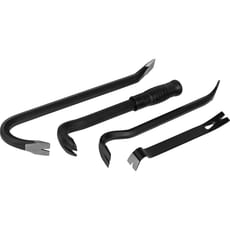
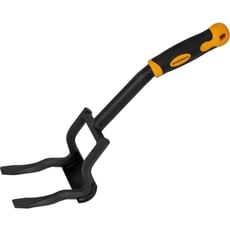
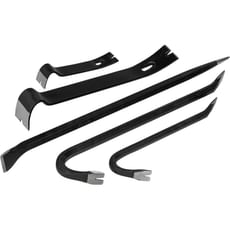
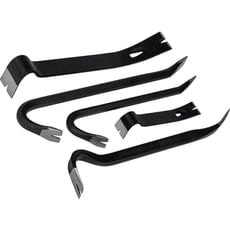
The Tooled-Up Roughneck range encompasses various bar types designed for specific applications, including wrecking bars with nail pullers, gooseneck pry bars, flat bars, and heavy-duty crow bars. Each design incorporates ergonomic considerations alongside functional requirements, with features like striking caps for hammer blows and precisely angled working ends that maximise leverage whilst minimising user fatigue during extended use.
Why Choose Roughneck Bars?
Roughneck's reputation for producing indestructible hand tools extends firmly into their bars category. These tools are manufactured using drop-forged carbon steel, a process that aligns the metal's grain structure to follow the tool's shape, creating exceptional strength along load-bearing areas. This manufacturing approach means Roughneck bars can handle tremendous leverage forces without bending, breaking, or deforming – a critical requirement when working with stubborn fixings, dense materials, or demolition applications.
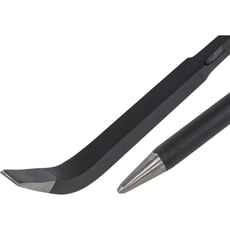
The brand's practical approach to design ensures every bar includes features that matter on real job sites. Bevelled chisel ends provide multiple contact angles for different prying applications, whilst integrated nail pullers eliminate the need to switch between tools. Many Roughneck bars feature striking caps that allow them to be driven with a sledgehammer for increased force, and the precisely engineered curves provide optimal leverage ratios that multiply the user's input force effectively.
Value represents another compelling reason to choose Roughneck. Whilst maintaining professional-grade quality and performance, Roughneck bars are competitively priced, making them accessible to both established tradespeople and those just starting their careers. The combination of durability, functionality, and affordability has made Roughneck a go-to brand for contractors who need reliable tools without premium price tags.
Who Uses Roughneck Bars?
- Demolition Contractors – for breaking down structures, removing fixtures, and dismantling frameworks
- Builders and General Contractors – for formwork stripping, pallet breaking, and general site work
- Carpenters and Joiners – for removing skirting boards, architraves, and flooring
- Roofing Contractors – for removing tiles, battens, and old roofing materials
- Landscapers – for removing paving slabs, edging stones, and stubborn fence posts
- Maintenance Engineers – for equipment disassembly and machinery maintenance
- Renovation Specialists – for stripping out old fixtures, fittings, and structural elements
- DIY Enthusiasts – for home improvement projects requiring demolition or removal work
- Plant Operators – for breaking down pallets and moving heavy materials on construction sites
Key Features of Roughneck Bars
The defining characteristic of Roughneck bars is their drop-forged construction, which creates tools significantly stronger than cast or machined alternatives. This manufacturing process involves heating steel to extreme temperatures and shaping it under immense pressure, aligning the metal's grain structure for maximum strength. The result is a bar that can withstand bending forces, impact loads, and torsional stress that would destroy lesser tools.
Roughneck incorporates multiple functional features into each bar design. Bevelled chisel ends are precisely ground to create sharp, durable edges that penetrate gaps and lever against resistant materials effectively. Nail pullers are integrated into strategic positions, allowing quick extraction of fixings without tool changes. Many models feature striking caps – hardened surfaces designed to receive hammer blows without mushrooming or deforming, enabling the bar to be driven into tight spaces or resistant materials.
The geometry of Roughneck bars is carefully engineered to maximise mechanical advantage. Curved sections and gooseneck designs position the user's hands at optimal distances from the fulcrum point, multiplying applied force significantly. This intelligent design reduces the physical effort required whilst increasing the force delivered to the work surface, making demanding tasks less fatiguing and more efficient.
Surface treatments include corrosion-resistant finishes that protect against rust and environmental degradation. Whilst these are working tools expected to show signs of use, the protective coatings extend service life and maintain functionality even in challenging outdoor conditions typical of UK construction sites.
Popular Roughneck Bars
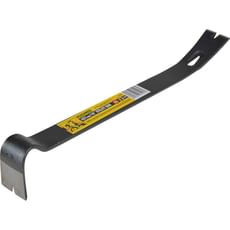
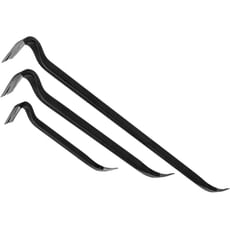
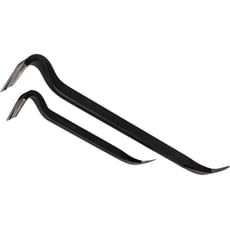
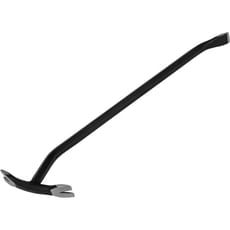
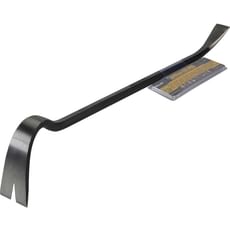
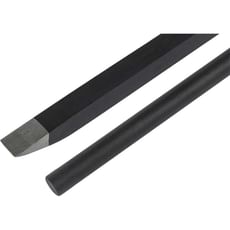
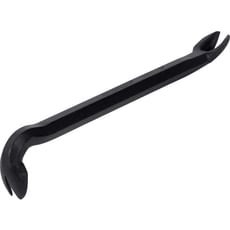
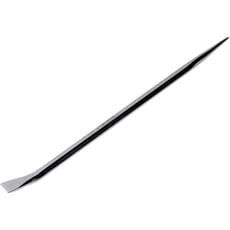
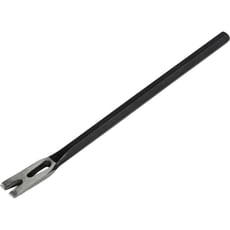
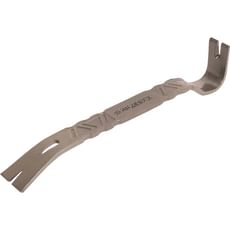
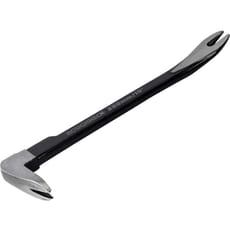
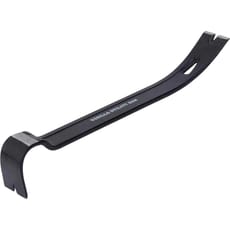
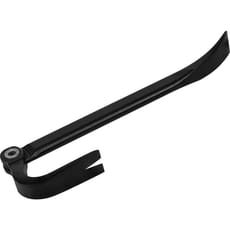
The Roughneck Wrecking Bar range represents the cornerstone of the collection, available in multiple lengths from compact 300mm versions for confined spaces through to substantial 900mm bars for maximum leverage. These tools feature one flat chisel end for prying and a curved claw end with integrated nail puller, making them versatile problem-solvers for numerous applications. The striking cap allows hammer-assisted penetration when dealing with particularly stubborn fixings.
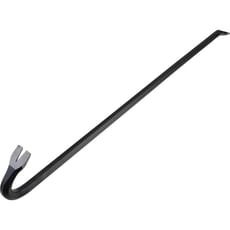
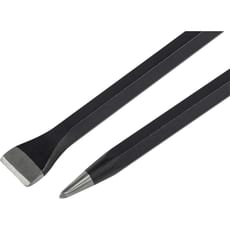
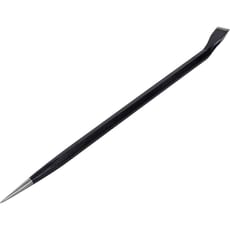
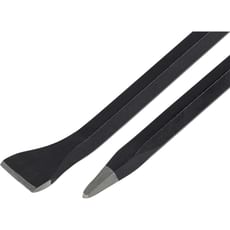
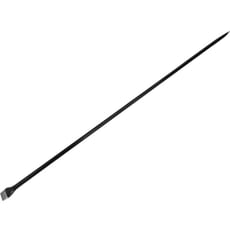
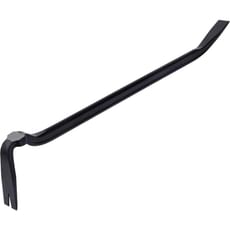
Roughneck Crow Bars offer the ultimate in heavy-duty leverage, with substantial steel construction and extended lengths that generate tremendous mechanical advantage. These straight bars feature chisel ends at both extremities, with one angled for prying and the other designed for driving and striking applications. Ideal for breaking concrete formwork, moving heavy structural elements, and tackling demolition work requiring serious force.
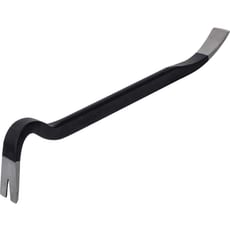
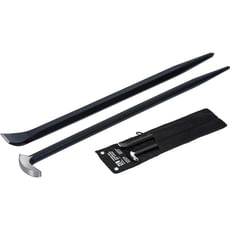
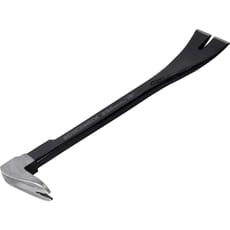
Roughneck Gooseneck Pry Bars combine a distinctive curved profile with dual working ends, providing exceptional leverage in a relatively compact package. The gooseneck design positions your hands away from the work surface whilst maintaining optimal force multiplication, making these bars particularly effective for flooring removal, skirting board extraction, and general carpentry applications where controlled force is required.
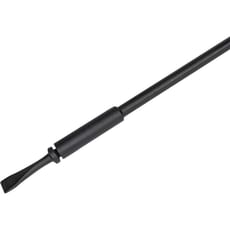
Roughneck Flat Bars offer slim profiles perfect for working in restricted spaces and between tight joints. Despite their slender construction, these bars maintain impressive strength thanks to drop-forged manufacturing, making them ideal for window removal, trim work, and applications where a bulkier bar cannot fit.
Safety and Compliance
When using Roughneck bars, adherence to Health and Safety Executive (HSE) guidelines for hand tool usage is essential. Always ensure adequate personal protective equipment is worn, including safety gloves to protect against sharp edges, safety boots with steel toe caps, and eye protection to guard against flying debris during demolition and prying operations.
Before use, inspect bars for signs of damage, deformation, or fatigue cracks that could compromise structural integrity. Never use bars with mushroomed striking surfaces, as fragmented metal particles can become dangerous projectiles. When striking a bar with a hammer, ensure you're using appropriate force and that surrounding personnel are clear of the impact zone.
Maintain secure footing and balanced posture when applying leverage force to prevent slips and falls should the tool suddenly break free. Be mindful of what lies beyond the surface you're prying – hidden utilities, structural elements, or voids can create unexpected hazards. When working at height, ensure bars are properly secured to prevent drops, and consider using tool lanyards on scaffolding or ladder work.
Store Roughneck bars in dry conditions to prevent corrosion, and maintain the working edges in good condition through periodic inspection and light filing if necessary. Properly maintained tools perform more effectively and safely than neglected equipment.
Frequently Asked Questions
What's the difference between a wrecking bar and a crow bar?
Wrecking bars typically feature a curved design with one flat prying end and one claw end incorporating a nail puller, making them versatile for general demolition and carpentry. Crow bars are usually straight, longer tools with chisel ends at both extremities, designed specifically for heavy-duty leverage and demolition work requiring maximum force. Roughneck manufactures both types, allowing you to select the tool best suited to your specific application.
What does drop-forged construction mean for Roughneck bars?
Drop-forging is a manufacturing process where heated steel is shaped under immense pressure, aligning the metal's grain structure along the tool's profile. This creates significantly stronger tools compared to cast or machined alternatives, as the grain flows continuously through the bar rather than being cut across. Roughneck's drop-forged bars can withstand far greater bending and impact forces without deformation or failure, making them suitable for demanding professional applications.
Can Roughneck bars be used with hammers and sledgehammers?
Many Roughneck bars feature hardened striking caps specifically designed to receive hammer blows without mushrooming or deforming. These models can be safely struck with hammers or sledgehammers to drive the chisel end into resistant materials or tight gaps. Always check the specific product features, and never strike bars without designated striking surfaces, as this can damage the tool and create dangerous metal fragments.
What length bar should I choose for general construction work?
For versatile general construction and demolition work, a 600mm wrecking bar offers an excellent balance between leverage capability and manoeuvrability. This length provides sufficient force multiplication for most applications whilst remaining manageable in typical building spaces. Browse the Roughneck selection at Tooled-Up.com to find bars ranging from compact 300mm versions for confined spaces through to 900mm heavy-duty options for maximum leverage when tackling substantial demolition projects.
How do I maintain Roughneck bars for long service life?
Clean bars after use to remove debris and moisture, particularly after working with concrete or in wet conditions. Store in dry environments to prevent corrosion, and periodically inspect for cracks, deformation, or excessive wear on working edges. Light surface rust can be removed with a wire brush, and chisel ends can be maintained with a file if they become excessively blunted. Avoid exposing bars to extreme heat, which can affect the steel's temper and reduce strength. With proper care, Roughneck bars will provide many years of reliable service.