

Roughneck Nail Bars

 Loading...
End of content
Error - No more pages to load
Roughneck Nail Bars at Tooled-Up.com
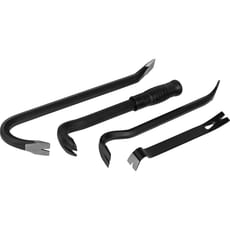
Roughneck has built a formidable reputation in the hand tools sector, and their nail bars exemplify the brand's commitment to heavy-duty performance and exceptional value. Known throughout the UK construction and demolition trades, Roughneck nail bars are engineered for the toughest dismantling, levering, and nail extraction tasks. These essential pry tools combine drop-forged steel construction with ergonomic design principles to deliver maximum leverage and durability on site.
The Roughneck nail bar range available from Tooled-Up.com caters to everyone from professional demolition contractors to DIY enthusiasts tackling home renovation projects. Each nail bar features hardened and tempered steel construction, ensuring these tools can withstand the extreme forces encountered during prying, levering, and board removal operations. The bevelled ends and nail slots are precision-machined to provide secure purchase when extracting stubborn fixings, whilst the substantial steel shafts resist bending even under significant load.
Available in various lengths to suit different applications, Roughneck nail bars represent outstanding value without compromising on the robustness that professionals demand. Whether you're stripping out old stud work, removing floorboards, or dismantling pallets, these versatile demolition tools deliver reliable performance day after day.
Why Choose Roughneck Nail Bars?
Roughneck has earned its place as a trusted name among tradespeople who require dependable tools that won't let them down on demanding jobs. The brand's nail bars are manufactured from high-carbon steel that's drop-forged for superior strength and durability, then heat-treated to resist deformation and wear. This manufacturing process creates tools that maintain their integrity even when subjected to repeated hammer strikes and extreme levering forces.
The value proposition of Roughneck nail bars is particularly compelling. Tooled-Up stocks these tools at competitive price points that make them accessible to both professional contractors managing tool budgets and DIY users who want professional-grade quality without premium pricing. Despite their affordability, Roughneck nail bars don't sacrifice essential features like properly hardened striking faces, precisely shaped nail slots, and ergonomically designed grips that reduce hand fatigue during extended use.
Durability is another hallmark of the Roughneck brand. These nail bars feature black oxide or painted finishes that provide corrosion resistance for tools that often work in damp conditions or are stored in site vans and sheds. The robust construction means these tools typically outlast lighter alternatives, making them a sound long-term investment for any toolkit.
Who Uses Roughneck Nail Bars?
- Demolition Contractors: Professionals who rely on heavy-duty pry bars for dismantling structures and stripping out materials
- Carpenters and Joiners: Tradespeople requiring reliable nail extraction and board removal tools for first and second fix work
- Roofers: Specialists who use nail bars for removing battens, felt, and old roofing materials
- General Builders: Multi-trade contractors who need versatile levering tools for various dismantling tasks
- Property Maintenance Teams: Professionals handling renovation and refurbishment projects requiring careful material removal
- Fencing Contractors: Specialists dismantling old fence panels and extracting stubborn post fixings
- Flooring Installers: Tradespeople lifting existing floorboards and removing old floor coverings
- DIY Enthusiasts: Home improvers tackling renovation projects and garden construction work
Key Features of Roughneck Nail Bars
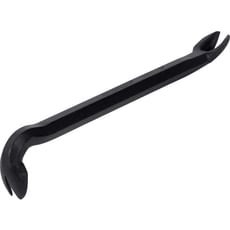
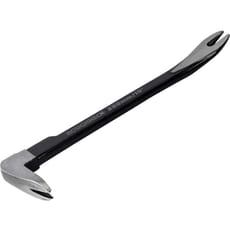
Roughneck nail bars incorporate several design elements that enhance their functionality and user experience. The drop-forged construction creates a dense molecular structure in the steel, resulting in tools that resist bending and breaking under load. Each nail bar features bevelled chisel ends that provide multiple working edges for prying, scraping, and levering operations, whilst integrated nail slots along the shaft enable secure purchase when extracting nails and fixings.
The striking heads on Roughneck nail bars are specifically hardened to withstand repeated hammer blows without mushrooming or spalling. This attention to detail extends tool life and maintains safe operation, as damaged striking faces can create dangerous metal fragments. The substantial cross-sections of the steel shafts provide the rigidity needed for heavy levering work whilst maintaining manageable weight for all-day use.
Many Roughneck nail bars feature painted finishes that improve visibility on busy worksites whilst providing basic corrosion protection. The flat profile design allows these tools to access tight spaces between boards and behind trim work where thicker pry bars cannot reach. The length options available at Tooled-Up ensure users can select the appropriate tool for their specific applications, with longer bars providing increased leverage for heavy-duty work and shorter versions offering better control for precision tasks.
Popular Roughneck Nail Bars
The Roughneck nail bar range encompasses several length options to suit different working requirements. Standard 12-inch (300mm) nail bars represent the most versatile size, offering an excellent balance between leverage and manoeuvrability for general dismantling work, board removal, and nail extraction. These compact tools fit easily in toolbelts and bags whilst providing sufficient length for most common applications.
For heavier-duty applications, 18-inch (450mm) and 24-inch (600mm) Roughneck nail bars deliver the extended leverage required for shifting large timbers, prying apart structural elements, and extracting deeply embedded fixings. The longer shaft length allows users to apply greater force with less physical effort, making these sizes popular among demolition specialists and contractors handling major renovation projects.
Smaller 8-inch (200mm) versions cater to precision work where control is paramount, such as carefully removing architrave, lifting small sections of flooring, or extracting individual fixings without damaging surrounding materials. These compact nail bars are particularly favoured by finish carpenters and restoration specialists working with delicate or historic materials.
Safety and Compliance
When using Roughneck nail bars, proper safety practices are essential to prevent injury and ensure effective operation. Always wear appropriate personal protective equipment including safety glasses or goggles to protect against flying debris, splinters, and metal fragments. Work gloves provide hand protection from sharp edges, splinters, and pinch points whilst improving grip security.
Ensure the nail bar is in good condition before use, inspecting for cracks, deformation, or mushrooming on the striking face. Never use damaged tools, as compromised structural integrity can lead to tool failure and potential injury. When striking the nail bar with a hammer, use controlled blows and maintain awareness of your surroundings to avoid striking nearby workers or damaging services concealed within walls and floors.
Always work away from your body when levering, and maintain secure footing to prevent falls if the tool suddenly releases. Be particularly cautious when prying against nailed materials, as sudden release can cause rapid movement and loss of control. When extracting nails, ensure adequate clearance around the working area to accommodate the levering motion safely. Store nail bars in a secure location when not in use, and never use these tools for purposes they weren't designed for, such as striking chisels or using them as pry points for vehicle jacks.
Frequently Asked Questions
What's the difference between a nail bar and a crowbar?
Nail bars are typically flatter in profile with bevelled chisel ends and integrated nail slots along the shaft, making them ideal for accessing tight spaces and extracting fixings. Crowbars are usually heavier with curved designs optimised for heavy levering. Roughneck nail bars excel at board removal, trim work, and nail extraction where their flat profile provides advantages over thicker crowbars.
Can Roughneck nail bars be used for general demolition work?
Absolutely. Roughneck nail bars are manufactured from drop-forged, hardened steel specifically designed to withstand the rigours of demolition work including prying apart structural elements, removing old fixings, and dismantling timber frameworks. Their robust construction makes them suitable for both light renovation tasks and heavy-duty demolition applications.
What length nail bar should I choose?
For general-purpose work including board removal and nail extraction, a 12-inch (300mm) nail bar offers the best balance of leverage and control. Choose 18-inch (450mm) or longer for heavy-duty demolition requiring maximum leverage, or select an 8-inch (200mm) version for precision work where manoeuvrability in confined spaces is essential.
Are Roughneck nail bars suitable for professional use?
Yes, Roughneck nail bars are designed to meet the demands of professional tradespeople who require reliable, durable tools for daily use on construction and renovation sites. The drop-forged steel construction and heat treatment processes ensure these tools can withstand the repeated stress and impact forces encountered in professional applications whilst remaining competitively priced.
How do I maintain my Roughneck nail bar?
Keep your nail bar clean and dry when not in use to prevent corrosion. Wipe off debris, moisture, and building materials after each use. Periodically apply a light coating of oil to unpainted steel surfaces. Inspect regularly for signs of damage including cracks, bending, or mushrooming on striking faces. Store in a dry location and never use the tool if structural damage is apparent.