

Sealey Soldering

 Loading...
End of content
Error - No more pages to load
Sealey Soldering at Tooled-Up.com
Sealey has established itself as one of the UK's most trusted names in workshop equipment and hand tools, and their soldering range continues this proud tradition of quality and reliability. The Sealey Soldering collection encompasses everything from professional-grade soldering stations to portable gas-powered irons, making it an essential resource for anyone requiring precision joining and electrical repair capabilities. Whether you're working on delicate electronics, automotive wiring, or plumbing applications, Sealey's comprehensive approach to soldering equipment delivers the performance and durability that British tradespeople have come to expect.
What sets Sealey apart in the soldering market is their understanding of real-world workshop demands. Their soldering equipment is designed to withstand the rigours of daily professional use whilst maintaining the precision required for intricate electronic work. From temperature-controlled stations that provide consistent heat for sensitive components to robust gas-powered irons perfect for site work where mains power isn't available, the range caters to diverse applications across multiple trades.
Tooled-Up.com stocks the complete spectrum of Sealey Soldering equipment, ensuring that both professional tradespeople and serious DIY enthusiasts have access to tools that deliver workshop-quality results. Each piece of equipment in the Sealey range is backed by the company's reputation for manufacturing tools that combine affordability with professional performance standards.
Why Choose Sealey Soldering?
Sealey's reputation in the UK tools market spans over four decades, and their soldering equipment benefits from this extensive manufacturing experience. The brand's commitment to producing reliable, cost-effective tools means that professionals can invest in quality soldering equipment without the premium price tags associated with some specialist brands. This value proposition hasn't come at the expense of performance – Sealey Soldering equipment consistently delivers the temperature stability, durability and precision that demanding applications require.
Temperature control is critical in soldering work, and Sealey's electronically controlled stations maintain consistent heat levels throughout extended use. This prevents the temperature fluctuations that can damage sensitive electronic components or create weak joints in automotive and plumbing applications. Many Sealey soldering stations feature adjustable temperature settings, allowing users to optimise heat levels for different materials and solder types, from lead-free compositions to traditional tin-lead alloys.
The brand's understanding of British workshop environments is evident in their product design. Sealey soldering equipment typically features robust construction that withstands knocks and drops, replaceable tips that extend tool life, and comfortable handles that reduce fatigue during prolonged use. For professionals who rely on their tools daily, these practical considerations translate into better value and reduced downtime.
Who Uses Sealey Soldering?
- Electronics technicians and repair specialists who require precise temperature control for circuit board work and component replacement
- Automotive electricians working on vehicle wiring, sensor repairs and custom installations
- Plumbers and heating engineers using soldering for copper pipe joints and central heating systems
- Model makers and hobbyists who need reliable equipment for detailed assembly work
- Appliance repair technicians fixing white goods, audio equipment and domestic electronics
- Jewellery makers and silversmiths requiring controlled heat for precious metal work
- Telecommunications engineers installing and maintaining communication systems
- Educational institutions equipping workshops and teaching practical soldering skills
- Maintenance teams in industrial and commercial settings requiring versatile repair capabilities
Key Features of Sealey Soldering
Sealey's soldering equipment incorporates several features that enhance usability and performance. Temperature-adjustable stations allow precise heat control, typically ranging from 150°C to 450°C, accommodating everything from heat-sensitive electronic components to more robust plumbing applications. Digital displays on many models provide clear temperature readings, eliminating guesswork and ensuring consistent results.
The brand's 240v mains-powered stations deliver rapid heat-up times, getting users working quickly rather than waiting for equipment to reach operating temperature. Quick-change tip systems on many models allow technicians to swap between different tip profiles without tools, adapting to various joint sizes and component configurations. Sealey typically supplies multiple tip styles with their stations, providing versatility straight from the box.
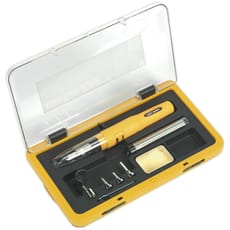
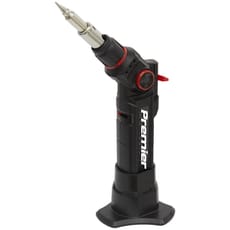
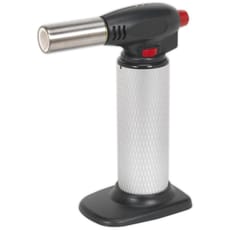
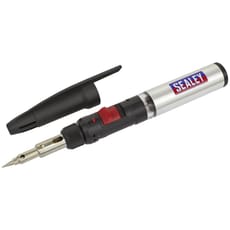
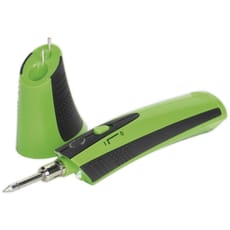
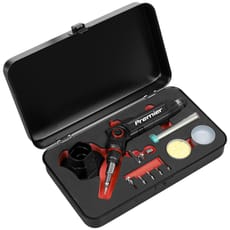
For site work and locations without mains power access, Sealey's gas-powered soldering irons offer genuine portability. These butane-fuelled tools provide impressive heat output and can operate for extended periods on a single gas charge. Built-in piezo ignition systems ensure reliable starting, whilst adjustable flame controls allow users to match heat output to the task at hand.
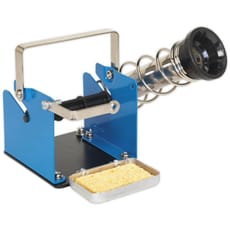
Safety features are integrated throughout the range, including heat-resistant handles, stable base stands for hot irons, and tip-cleaning sponges to maintain optimal heat transfer. Many Sealey stations incorporate auto-sleep functions that reduce tip temperature during periods of inactivity, extending tip life and reducing energy consumption.
Popular Sealey Soldering
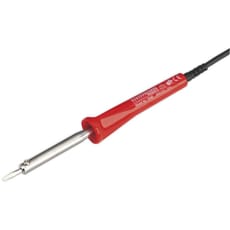
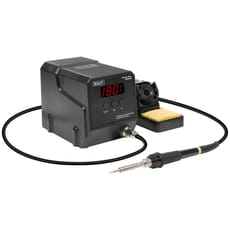
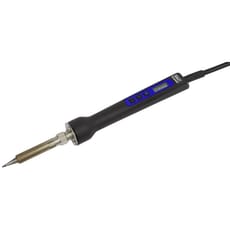
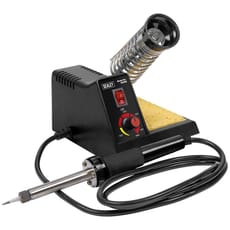
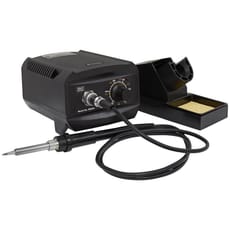
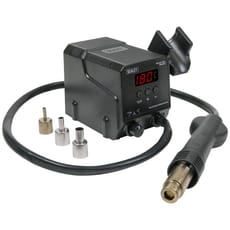
Sealey's analogue and digital soldering stations represent the core of their professional offering, providing regulated temperature control and stable platforms for precision work. These bench-mounted units are ideal for workshop environments where consistent mains power is available and detailed electronic work is regular. The stations typically feature adjustable temperature dials, comfortable pencil-style irons with extended cables for freedom of movement, and robust metal housing that withstands workshop conditions.
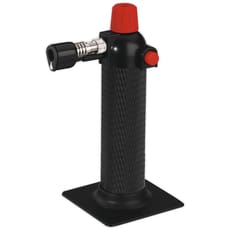
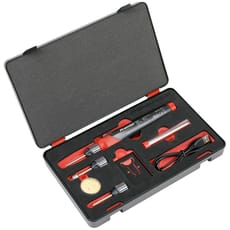
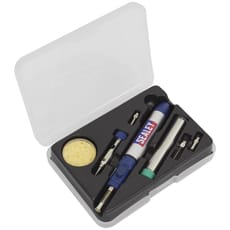
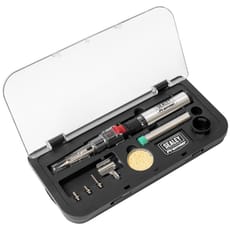
Gas-powered soldering irons from Sealey cater to mobile tradespeople and site workers who need reliable soldering capabilities away from power sources. These portable tools are particularly valued by plumbers working on installations in properties without electricity supply and automotive technicians requiring flexibility around vehicles. The self-contained design eliminates cable restrictions whilst delivering impressive heat output comparable to mains-powered alternatives.
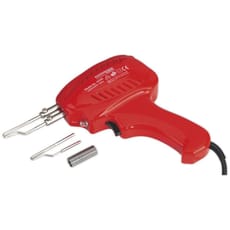
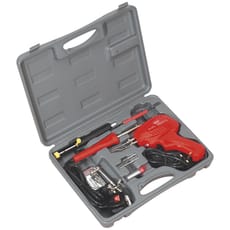
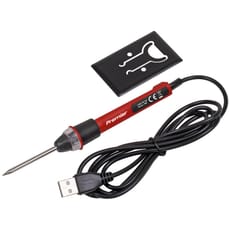
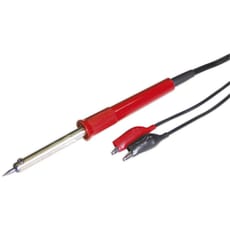
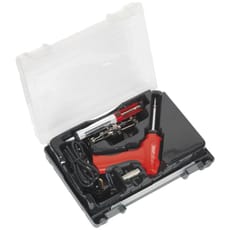
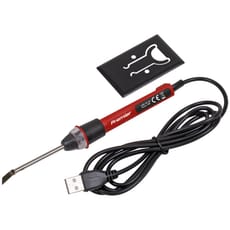
Sealey's entry-level soldering irons provide cost-effective solutions for occasional users and those new to soldering. These straightforward 240v tools offer fixed temperature operation suitable for general-purpose electronics work, hobby projects and light repair tasks. Whilst lacking the adjustability of station-based systems, they deliver dependable performance for less demanding applications.
Safety and Compliance
All Sealey electrical soldering equipment supplied through Tooled-Up complies with relevant UK and European safety standards, including appropriate CE marking and conformity to Low Voltage Directive requirements. The 240v mains-powered units feature properly fused UK plugs and double-insulated construction where applicable, ensuring safe operation in British workshops.
Users should always work in well-ventilated areas when soldering, as flux fumes and vaporised materials can irritate respiratory systems. The HSE recommends adequate extraction or ventilation when soldering regularly, particularly with lead-containing solders. Sealey equipment should be placed on heat-resistant surfaces using the provided stands, and hot irons must never be left unattended.
Eye protection is advisable when soldering to guard against flux spatter, and heat-resistant surfaces should always be used to prevent fire risks. When using gas-powered irons, ensure adequate ventilation and store butane cartridges safely away from heat sources. Regular inspection of cables, plugs and tips helps maintain safe operation and optimal performance.
Frequently Asked Questions
What temperature should I use for electronics work with Sealey soldering stations?
For most electronics soldering with lead-free solder, set your Sealey station between 350°C and 380°C. Traditional tin-lead solder works well at 320°C to 350°C. Start at the lower end and increase if solder isn't flowing smoothly. Sensitive components may require lower temperatures around 300°C to prevent heat damage.
How long do Sealey soldering iron tips typically last?
With proper care, Sealey soldering tips can last months of regular use. Tip life depends on operating temperature, cleaning frequency and application. Always tin tips before and after use, clean regularly with a damp sponge rather than abrasive methods, and avoid excessive temperatures which accelerate oxidation. Replacement tips are readily available for all Sealey models.
Can Sealey gas soldering irons be used for plumbing copper joints?
Yes, Sealey's gas-powered soldering irons generate sufficient heat for small-bore copper pipe joints up to 15mm diameter. For larger pipes or where high-volume production is required, dedicated gas torches provide more efficient heating. Gas irons excel at repair work, installations in awkward spaces, and situations where torch flames pose fire risks.
Are Sealey soldering stations suitable for lead-free solder?
Absolutely. Sealey's temperature-adjustable stations easily reach the higher temperatures required for lead-free solders, which typically melt around 217°C compared to 183°C for traditional tin-lead compositions. The stations' precise temperature control ensures consistent results with modern lead-free alloys, which are now standard for commercial electronics under RoHS regulations.
What's the difference between Sealey's analogue and digital soldering stations?
Digital stations provide precise temperature readouts on LED or LCD displays, making it easy to set and monitor exact temperatures. Analogue models use dial controls with approximate temperature markings. Both maintain stable temperatures effectively, but digital versions offer easier setting for specific requirements and generally feature more sophisticated temperature regulation circuits. Choose based on whether you need precise temperature knowledge or prefer simpler operation.