
Sealey Bonding, Retaining & Sealing

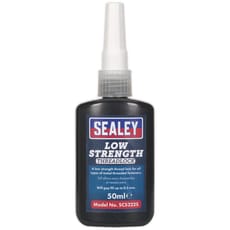
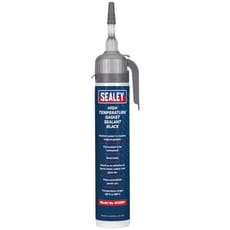
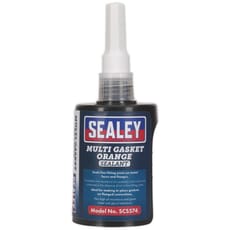
Loading...
End of content
Error - No more pages to load
Sealey Bonding, Retaining & Sealing at Tooled-Up.com
Sealey Bonding, Retaining & Sealing products cover the chemical fixing and sealing jobs that come up in workshops, garages and maintenance departments. The selection is split into three areas: Retaining, Sealing and Threadlocking. Each one deals with a different problem, from stopping fasteners working loose to securing cylindrical parts and sealing joints against leaks.
The main difference between them is how they hold. Threadlocking compounds lock threaded fasteners against vibration. Retaining compounds bond close-fitting cylindrical parts such as bearings, bushes and shafts. Sealing products fill gaps between mating surfaces and threaded pipe fittings to keep fluids and gases where they belong.
Browse the Sealey selection at Tooled-Up.com to find the right compound for the job, whether you are rebuilding an engine, servicing machinery or carrying out general repairs.
Key Features of Sealey Bonding, Retaining & Sealing
- Purpose-matched formulations: separate retaining, sealing and threadlocking products mean you use a compound designed for the task rather than a general-purpose substitute.
- Vibration resistance: threadlockers help stop nuts and bolts loosening under constant movement, reducing the need for rework and call-backs.
- Fills and bonds tight fits: retaining compounds spread load across the joint and help hold parts that are worn or have minimal clearance.
- Leak prevention: sealants fill microscopic surface imperfections, giving a more reliable seal on flanges, housings and threaded connections.
- Workshop-friendly packaging: small applicator-style containers give controlled application and make it easy to keep a few grades to hand.
Always check the product label and safety data sheet for cure times, temperature limits and COSHH guidance before use.
Who Uses Sealey Bonding, Retaining & Sealing?
Vehicle technicians and garage mechanics use these products on engine, gearbox and suspension work where fasteners and joints face heat and vibration. Fleet engineers and plant maintenance teams rely on them to keep machinery running between services.
Fabricators, general maintenance engineers and facilities teams use threadlockers and sealants for repairs on site. Serious DIYers and home mechanics will also find them useful for car, motorbike and garden machinery projects, where a dependable fix saves repeat work.
Popular Sealey Bonding, Retaining & Sealing
Threadlocking
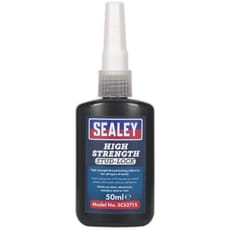
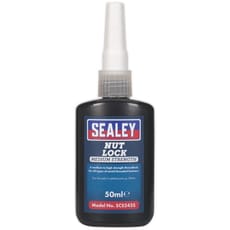
Threadlocking compounds secure nuts, bolts, studs and set screws, and suit anything exposed to vibration or regular use.
Retaining
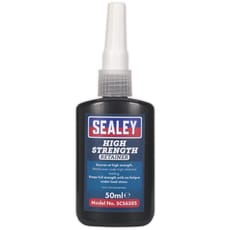
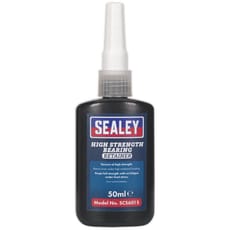
Retaining compounds bond bearings, bushes, sleeves and shafts, and are useful where press fits have worn or extra holding strength is needed.
Sealing
Sealing products help create leak-resistant joints on gasket faces, housings and threaded fittings. Shop Sealey Bonding, Retaining & Sealing at Tooled-Up.com to compare the options in each group.
Frequently Asked Questions
What is the difference between threadlocking and retaining compounds?
Threadlockers are for threaded fasteners such as bolts and studs. Retaining compounds are for smooth, cylindrical parts such as bearings and bushes that fit together without threads.
Can I take apart a joint secured with threadlocker?
That depends on the grade. Lower-strength products allow disassembly with normal hand tools, while high-strength grades may need heat. Check the label before choosing.
How should I prepare surfaces before applying?
Clean and degrease both surfaces so they are free from oil, dirt and old residue. Good preparation helps the compound cure properly and hold as intended.
Are these products safe to handle?
Wear suitable gloves and eye protection, work in a ventilated area and follow the safety data sheet and COSHH guidance supplied with each product.