

Sealey Bricklaying & Plastering Tools
 Loading...
End of content
Error - No more pages to load
Sealey Bricklaying & Plastering Tools at Tooled-Up.com
Sealey has built a formidable reputation in the construction industry for manufacturing robust, reliable hand tools that meet the exacting demands of professional tradespeople. Their range of bricklaying and plastering tools combines traditional craftsmanship with modern manufacturing techniques, delivering products that stand up to the rigours of daily site work. From precision trowels and floats to spirit levels and jointing tools, Sealey provides everything needed for quality masonry and finishing work.
The Sealey bricklaying and plastering range at Tooled-Up.com encompasses essential hand tools designed for both structural masonry work and fine finishing applications. Each tool is manufactured to exacting standards, with careful attention paid to balance, weight distribution, and handle ergonomics. Whether you're laying blockwork, pointing brickwork, or achieving that perfect skim coat, Sealey's tools are engineered to help tradespeople work efficiently whilst maintaining the highest quality standards.
Sealey understands that bricklaying and plastering tools must withstand constant use in challenging environments, from exposed outdoor building sites to dusty renovation projects. Their tools feature corrosion-resistant materials, comfortable grip handles, and robust construction that ensures longevity even under demanding professional use. This commitment to durability makes Sealey a trusted choice for contractors and DIY enthusiasts alike.
Why Choose Sealey Bricklaying & Plastering Tools?
Sealey's heritage spans decades of tool manufacturing excellence, with the brand becoming synonymous with dependable quality at competitive prices. Their bricklaying and plastering tools are designed with direct input from working tradespeople, ensuring that every product addresses real-world challenges faced on construction sites across the UK. The result is a range that balances professional performance with exceptional value for money.
Quality control is paramount in Sealey's manufacturing process, with rigorous testing ensuring that every trowel, float, and level meets strict performance criteria before leaving the factory. The brand's commitment to using premium materials—including high-carbon steel blades, stainless steel components, and hardwearing synthetic handles—means these tools maintain their performance characteristics throughout extended use. This reliability translates to fewer tool replacements, reduced downtime, and ultimately better value for professional users.
Sealey also recognises the importance of ergonomics in reducing fatigue during long working days. Their plastering trowels feature carefully contoured handles that reduce strain on the wrist and hand, whilst their hawks and floats are balanced to minimise arm fatigue. This attention to user comfort helps tradespeople maintain productivity and precision throughout demanding shifts.
Who Uses Sealey Bricklaying & Plastering Tools?
- Bricklayers and stonemasons requiring reliable trowels, jointing tools, and line equipment for laying bricks, blocks, and natural stone
- Plasterers and rendering specialists who depend on quality floats, trowels, and finishing tools for internal and external applications
- General builders and contractors needing versatile masonry tools for varied construction and renovation projects
- Maintenance teams in facilities management, housing associations, and local authorities performing repair and refurbishment work
- Self-builders and serious DIY enthusiasts undertaking home extension, garden wall, or property renovation projects
- Construction apprentices and trainees investing in their first professional-quality tool kits
- Heritage and restoration specialists working on period properties requiring traditional pointing and masonry techniques
Key Features of Sealey Bricklaying & Plastering Tools
Sealey's trowels feature high-carbon steel blades that are carefully tempered for optimal flexibility and strength, allowing them to hold their edge whilst remaining resilient against chipping or cracking. The blades are ground and polished to provide smooth application and release of mortar or plaster, reducing the effort required for consistent results. Many models incorporate stainless steel blades that resist corrosion even when exposed to lime-based materials and damp conditions.
Handle construction is a hallmark of Sealey's design philosophy, with ergonomic grips manufactured from durable synthetic materials that provide excellent purchase even when wet or dusty. The handles are securely attached using robust tang construction or advanced bonding techniques that prevent loosening during use. Soft-grip variants offer enhanced comfort during extended plastering or pointing sessions, reducing hand fatigue and improving control.
Spirit levels in the Sealey range feature precision-ground surfaces and high-visibility vials that enable accurate readings in varying light conditions. Many models include multiple vials for checking both horizontal and vertical alignment simultaneously, streamlining the levelling process during wall construction or render application. Robust aluminium or reinforced plastic construction ensures these levels withstand the inevitable knocks and drops of busy construction environments.
Sealey's commitment to practical design is evident in features such as comfortable hawk handles that allow extended carrying of mortar or plaster, mixing paddles compatible with standard power drills for efficient material preparation, and purpose-designed corner trowels and edging tools that simplify finishing work in awkward spaces.
Popular Sealey Bricklaying & Plastering Tools
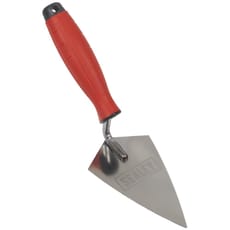
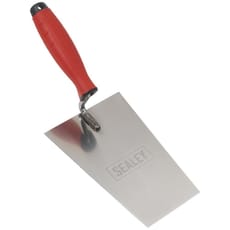
Within the extensive Sealey range available from Tooled-Up, certain product categories stand out for their popularity among professionals. Brick trowels remain the cornerstone of any bricklayer's toolkit, with Sealey offering various blade lengths and patterns to suit different laying techniques and brick sizes. The classic London pattern trowel is particularly favoured for its versatility across multiple masonry applications.
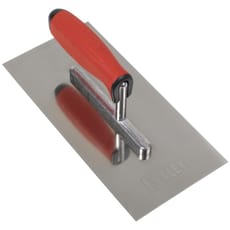
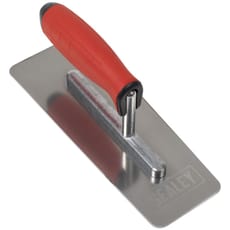
Plastering trowels are available in numerous sizes to accommodate everything from small patch repairs to large-wall skimming, with stainless steel variants proving especially popular for their easy-clean properties and resistance to rust. Finishing trowels with flexible blades enable plasterers to achieve that perfect polished surface, whilst laying-on trowels with stiffer blades excel at initial coat application.
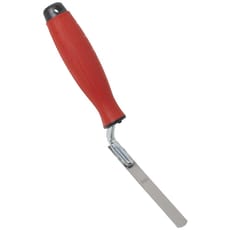
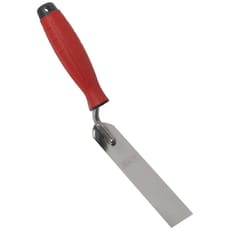
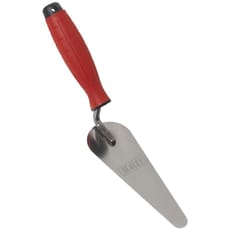
Pointing and jointing tools complete the range, with various profiles available to create different joint finishes from flush and weathered to bucket handle and recessed styles. These specialised tools help achieve professional-looking brickwork whilst improving weather resistance and structural integrity of mortar joints.
Safety and Compliance
Whilst hand tools for bricklaying and plastering may seem straightforward, proper usage and maintenance are essential for both safety and performance. Sealey manufactures their tools to meet relevant UK and European standards, ensuring materials and construction methods provide safe, reliable operation when used as intended.
Users should always inspect tools before use, checking for loose handles, damaged blades, or other defects that could compromise safety or performance. Trowels and floats should be cleaned thoroughly after use to prevent material build-up that can affect balance and create sharp edges. When working at height or on scaffolding, tools should be secured to prevent dropping hazards to those working below.
Appropriate personal protective equipment remains essential when undertaking masonry and plastering work. Safety glasses protect against mortar splashes and dust, whilst heavy-duty work gloves safeguard hands from sharp edges and abrasive materials. When mixing materials or working in dusty conditions, respiratory protection may be necessary in accordance with COSHH regulations to prevent inhalation of harmful particulates.
Frequently Asked Questions
What's the difference between a brick trowel and a plastering trowel?
Brick trowels typically feature a more rigid, diamond-shaped blade designed for picking up, spreading, and shaping mortar when laying bricks or blocks. Plastering trowels have larger, rectangular blades with varying degrees of flexibility depending on their intended use—stiffer for laying on base coats, more flexible for finishing work. Sealey manufactures purpose-designed trowels for each application to ensure optimal performance.
How do I maintain my Sealey bricklaying and plastering tools?
Clean tools thoroughly after each use, removing all mortar or plaster before it hardens. For stubborn residue, soak in water and scrub with a wire brush. Dry tools completely to prevent rust, and periodically apply a light coating of oil to metal surfaces. Store tools in a dry location, and check handles regularly for secure attachment and signs of wear.
Are Sealey plastering trowels suitable for professional daily use?
Yes, Sealey designs their plastering trowels specifically for professional tradespeople who demand reliable performance day after day. The high-carbon and stainless steel blades, robust handle construction, and quality materials ensure these tools withstand the rigours of daily site work whilst maintaining their performance characteristics over extended periods.
What size brick trowel should I choose?
Trowel size depends on both the application and personal preference. Common brick trowel sizes range from 10 to 13 inches in blade length. Larger trowels can hold more mortar, potentially increasing productivity, but require more strength to handle. Smaller trowels offer greater control and are less fatiguing during extended use. Many professionals keep multiple sizes for different applications, whilst beginners often find an 11-inch trowel provides a good balance.
Can I use Sealey tools for both bricklaying and blockwork?
Absolutely. Sealey's masonry tools are versatile enough to handle various materials including traditional bricks, concrete blocks, lightweight blocks, and natural stone. The key is selecting the appropriate trowel size and type for your specific material—larger blocks may benefit from bigger trowels to handle increased mortar quantities, whilst intricate stonework might require smaller, more manoeuvrable tools for precision pointing and finishing.