

Sealey Circular Saw Blades
 Loading...
End of content
Error - No more pages to load
Sealey Circular Saw Blades at Tooled-Up.com
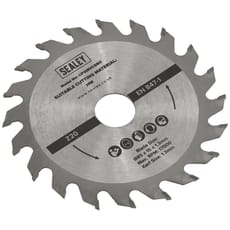
Sealey has established itself as one of the UK's most trusted names in professional tools and equipment, and their circular saw blade range exemplifies the quality and precision that tradespeople demand. Designed to deliver exceptional cutting performance across a wide variety of materials, Sealey circular saw blades combine advanced manufacturing techniques with carefully selected carbide-tipped teeth to ensure clean, accurate cuts every time. Whether you're working with timber, laminate, plastics, or composite materials, Sealey's comprehensive blade selection provides the right solution for your specific application.
The Sealey circular saw blade range available from Tooled-Up.com caters to both professional tradespeople and serious DIY enthusiasts who refuse to compromise on quality. Each blade is engineered with precision-ground teeth and optimised tooth geometry to minimise vibration, reduce binding, and extend cutting life. From fine-finish blades for cabinetry and joinery work to heavy-duty rip blades for construction framing, Sealey offers blade configurations to match every cutting requirement. The brand's commitment to delivering professional-grade performance at competitive prices has made them a go-to choice for contractors who need reliable, cost-effective tooling solutions.
Sealey's circular saw blades are manufactured to strict quality standards, with each blade undergoing rigorous testing to ensure it meets the demanding requirements of daily professional use. The blades feature laser-cut expansion slots to reduce noise and prevent warping during extended cutting sessions, while the carefully selected tungsten carbide tips maintain their sharpness significantly longer than standard steel teeth. This attention to detail translates into fewer blade changes, reduced downtime, and ultimately better value for money on busy job sites.
Why Choose Sealey Circular Saw Blades?
Sealey's reputation for delivering professional-quality tools at accessible prices makes their circular saw blades an intelligent choice for tradespeople managing tight budgets without sacrificing performance. The brand understands the real-world demands of construction sites, joinery workshops, and installation work, designing their blades to withstand the rigours of daily professional use. Each blade benefits from Sealey's decades of experience in the tool industry, incorporating feedback from working professionals to create products that genuinely meet the needs of end users.
The quality of carbide used in Sealey circular saw blades ensures exceptional edge retention, meaning blades stay sharper for longer and deliver consistent cutting performance throughout their working life. This is particularly important for professionals who can't afford the productivity losses associated with frequent blade changes or poor-quality cuts that require remedial work. Sealey's precision manufacturing processes ensure that blades run true with minimal wobble, reducing the risk of kickback and improving both safety and cut quality.
Value represents another compelling reason to choose Sealey for circular saw blades. While premium enough to satisfy professional demands, Sealey blades are priced to remain accessible for both established contractors and those just starting out in the trades. This combination of quality and affordability has earned Sealey a loyal following among UK tradespeople who appreciate tools that perform reliably without breaking the bank.
Who Uses Sealey Circular Saw Blades?
- Carpenters and joiners requiring precise crosscuts and rip cuts in various timber species
- Construction framers cutting structural timber and sheet materials on building sites
- Kitchen and bathroom fitters working with laminate worktops and melamine-faced boards
- Shopfitters and cabinet makers demanding fine-finish cuts in decorative materials
- General builders needing versatile blades for diverse cutting applications
- Flooring specialists cutting engineered wood and laminate flooring materials
- Maintenance contractors requiring reliable blades for renovation and refurbishment work
- Serious DIY enthusiasts undertaking home improvement projects to professional standards
- Educational workshops training the next generation of skilled tradespeople
Key Features of Sealey Circular Saw Blades
Sealey circular saw blades incorporate several distinctive features that enhance their performance and longevity. The tungsten carbide-tipped teeth are precision-ground to exact specifications, ensuring consistent cutting geometry across the entire blade circumference. This attention to manufacturing detail results in smoother cuts with minimal tear-out, particularly important when working with veneered or laminated materials where surface finish is critical.
Laser-cut expansion slots are strategically positioned around the blade body to reduce heat build-up during extended cutting operations. This thermal management prevents blade warping and maintains cutting accuracy even under demanding conditions. The slots also help to dampen vibration and reduce operational noise, creating a more comfortable working environment for the operator.
The blade bodies themselves are manufactured from high-quality steel, carefully hardened and tempered to provide the optimum balance between rigidity and flexibility. This ensures the blade remains flat and true during use whilst being resilient enough to handle the occasional nail or screw without catastrophic failure. Standard bore sizes ensure compatibility with the vast majority of circular saws available in the UK market, from compact 240v corded models to powerful battery-powered platforms.
Each blade features clearly marked specifications including diameter, bore size, tooth count, and material suitability, making it simple to select the correct blade for your specific application. The inclusion of colour-coded indicators on some models further simplifies blade selection in busy workshop environments where time is of the essence.
Popular Sealey Circular Saw Blades
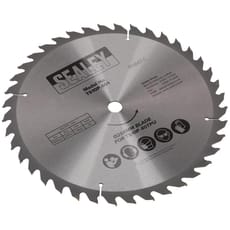
Tooled-Up stocks a comprehensive selection of Sealey circular saw blades to suit different cutting applications and saw sizes. General-purpose TCT (Tungsten Carbide Tipped) blades with medium tooth counts offer excellent versatility for everyday carpentry and construction work, handling both crosscutting and ripping operations with equal competence. These all-rounders are particularly popular with general builders and maintenance contractors who need one blade to handle multiple materials and cutting scenarios.
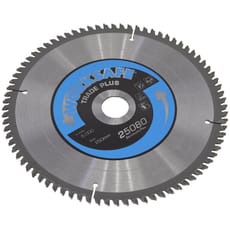
Fine-tooth blades designed specifically for clean crosscutting in veneered panels, laminates, and melamine-faced chipboard are essential for kitchen fitters, cabinet makers, and shopfitters. The higher tooth count produces exceptionally smooth cuts with minimal chipping, reducing the need for edge finishing and speeding up installation work. Conversely, rip blades with fewer, more aggressive teeth excel at cutting along the grain in solid timber, removing material quickly whilst maintaining straight, accurate cuts.
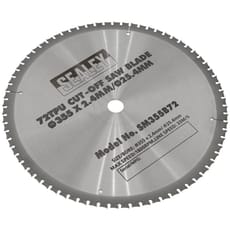
Sealey also offers specialised blades for cutting specific materials including aluminium, plastics, and composite materials. These application-specific blades feature tooth geometry and cutting angles optimised for their intended materials, delivering superior results compared to general-purpose alternatives. Available in various diameters to suit different saw models, the range covers everything from compact 165mm blades for trim saws through to full-size 305mm blades for site saws and mitre saws.
Safety and Compliance
All Sealey circular saw blades meet or exceed relevant UK and European safety standards, including EN847 which specifies requirements for woodworking circular saw blade safety. The blades are designed with appropriate safety features including correctly specified maximum operating speeds clearly marked on the blade body. It is essential that operators never exceed these speed ratings, as doing so can result in blade failure with potentially serious consequences.
When fitting Sealey circular saw blades, always ensure the saw is disconnected from its power source – either unplugged from the mains for 240v tools or with the battery removed for cordless models. The blade bore must match the saw arbor exactly, and the mounting washer and securing bolt must be properly tightened according to the saw manufacturer's specifications. Never use a blade with a bore that's too large, and never attempt to modify a blade's mounting hole.
Appropriate personal protective equipment is essential when operating circular saws. Safety glasses or a full face shield protect against flying debris, whilst hearing protection is recommended for extended cutting operations. Operators should never wear loose clothing, gloves, or jewellery that could become entangled in the rotating blade. Always ensure the workpiece is properly secured and supported, and never attempt to remove cut-offs or adjust the workpiece whilst the blade is still rotating.
Regular blade inspection is crucial for safe operation. Blades showing signs of damage including cracked or missing teeth, warping, or excessive wear should be replaced immediately. Keep blades clean and free from resin build-up, and ensure they're stored properly when not in use to prevent accidental damage. Following HSE guidance on the safe use of woodworking machinery helps protect both operators and those working nearby from potential hazards.
Frequently Asked Questions
What's the difference between rip blades and crosscut blades in the Sealey range?
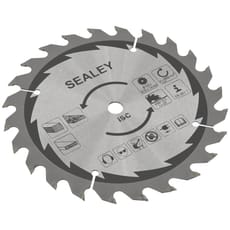
Sealey rip blades feature fewer teeth (typically 24-30) with larger gullets designed to remove material quickly when cutting along the grain. Crosscut blades have more teeth (typically 48-80) with finer cutting edges that slice cleanly through wood fibres when cutting across the grain. General-purpose Sealey blades (typically 40 teeth) offer a compromise suitable for both operations, making them ideal for users who don't want to change blades frequently.
How long should a Sealey circular saw blade last?
The lifespan of a Sealey circular saw blade depends on usage patterns, materials being cut, and maintenance practices. Under typical professional use, a quality Sealey TCT blade should deliver hundreds of cuts before requiring replacement. Signs that a blade needs replacing include increased effort required to make cuts, burning or scorch marks on the workpiece, excessive tear-out, and visible damage to the carbide tips. Regular cleaning to remove resin build-up extends blade life significantly.
Can Sealey circular saw blades be sharpened?
Yes, Sealey TCT (Tungsten Carbide Tipped) blades can be professionally sharpened by specialist saw doctors who have the equipment to properly grind carbide teeth. However, given the competitive pricing of replacement Sealey blades, many professionals find it more economical to simply replace worn blades rather than paying for professional sharpening services. Attempting to sharpen carbide blades with conventional tools is not recommended as it won't achieve the precise geometry required for optimal cutting performance.
Are Sealey circular saw blades compatible with all circular saw brands?
Sealey circular saw blades are manufactured with standard bore sizes (typically 16mm, 20mm, or 30mm depending on blade diameter) that fit the vast majority of circular saws available in the UK market, including brands like DeWalt, Makita, Bosch, and Milwaukee. However, always check both the blade diameter your saw accepts and the arbor (shaft) diameter before purchasing. The blade's maximum RPM rating must also meet or exceed your saw's operating speed to ensure safe operation.
Which Sealey blade should I use for cutting laminate worktops?
For cutting laminate worktops and other laminated panels, choose a Sealey fine-tooth crosscut blade with at least 48 teeth, ideally with alternate top bevel (ATB) or triple-chip (TCG) tooth geometry. These high tooth count blades produce exceptionally clean cuts with minimal chipping of the laminate surface. Always cut with the decorative face downwards when using a standard circular saw (as the blade cuts upwards through the material) or face-up when using a plunge saw, and use a zero-clearance guide or backing board to further reduce tear-out.