

Sealey Dead Blow Hammers

 Loading...
End of content
Error - No more pages to load
Sealey Dead Blow Hammers at Tooled-Up.com
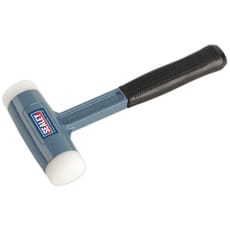
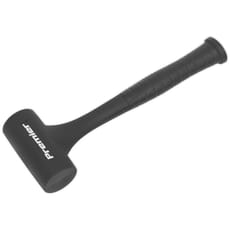
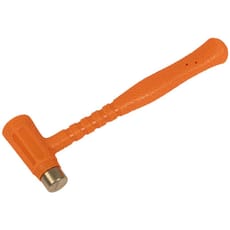
Sealey has earned a formidable reputation among UK tradespeople for manufacturing robust, reliable hand tools that withstand the demands of professional use. Their range of dead blow hammers exemplifies this commitment to quality, offering precision-engineered striking tools designed to deliver maximum impact whilst minimising rebound and surface damage. Dead blow hammers differ from conventional hammers through their unique construction – a hollow head filled with steel shot or sand that absorbs shock upon impact, preventing bounce-back and reducing vibration transfer to the user's arm and wrist.
The Sealey dead blow hammer collection available from Tooled-Up.com features a variety of head weights and handle configurations to suit different applications. From delicate assembly work requiring controlled taps to heavy-duty automotive repair and engineering tasks, Sealey's dead blow hammers are engineered to provide the right balance of force and control. The shot-filled design ensures that energy is transferred efficiently into the workpiece rather than rebounding, making these hammers particularly effective for positioning components, panel beating, and machinery assembly where precision matters.
Constructed with durable polyurethane faces that resist chipping and marking, Sealey dead blow hammers protect delicate surfaces whilst delivering substantial force. The ergonomically designed handles provide secure grip and comfort during extended use, reducing operator fatigue on long jobs. Whether you're working in automotive repair, general engineering, or woodworking, the Sealey range stocked at Tooled-Up provides professional-grade striking tools that deliver consistent performance shift after shift.
Why Choose Sealey Dead Blow Hammers?
Sealey's reputation as one of the UK's most trusted tool brands stems from decades of experience manufacturing tools specifically for trade professionals. Their dead blow hammers incorporate design features that address real-world challenges faced on job sites and in workshops. The steel shot filling within each hammer head creates a dead blow effect that virtually eliminates rebound, allowing for more accurate strikes and reducing the risk of workpiece damage or user injury from uncontrolled bounce-back.
The polyurethane striking faces on Sealey dead blow hammers offer exceptional durability compared to rubber alternatives, maintaining their integrity even after thousands of impacts. This material choice prevents surface marking on aluminium, wood, and other softer materials whilst still delivering the force required for stubborn assemblies. The faces are securely bonded to prevent separation during use, addressing a common failure point in lesser-quality dead blow hammers.
Sealey backs their dead blow hammers with comprehensive quality assurance, ensuring each tool meets rigorous standards before leaving the factory. The handles are designed with both leverage and vibration dampening in mind, featuring comfortable grips that reduce hand fatigue during repetitive striking tasks. For professionals who depend on their tools daily, this combination of thoughtful design and robust construction makes Sealey dead blow hammers a sound investment.
Who Uses Sealey Dead Blow Hammers?
- Motor mechanics and automotive technicians – for wheel alignment, suspension work, and panel adjustments
- Engineers and machinists – positioning components during assembly without causing damage
- Woodworkers and joiners – assembling joints and furniture without marking timber surfaces
- Maintenance fitters – machinery installation and alignment tasks requiring controlled force
- Panel beaters and body shop technicians – metal shaping and dent removal work
- General fabricators – positioning and fitting metal components during fabrication
- DIY enthusiasts – home workshop projects requiring precision striking without surface damage
- Assembly line workers – production environments where consistent, controlled striking is essential
Key Features of Sealey Dead Blow Hammers
Sealey dead blow hammers incorporate several distinctive features that enhance their performance and longevity. The steel shot-filled hollow head design creates the characteristic dead blow effect, with the loose shot absorbing impact energy and preventing rebound. This makes each strike more effective, requiring less effort from the user whilst reducing the risk of workpiece movement or damage from hammer bounce.
The polyurethane striking faces resist wear, chipping, and deformation far better than rubber alternatives, maintaining their shape and effectiveness throughout the tool's working life. These non-marring faces allow tradespeople to strike finished surfaces, machined components, and delicate materials without leaving marks or causing damage. The faces are precision-moulded and securely bonded to the head, eliminating the risk of separation during heavy use.
Ergonomically designed handles provide secure grip and control, with many models featuring fibreglass or steel cores for added strength and vibration dampening. The handle design balances weight distribution to reduce user fatigue, particularly important during extended use or repetitive striking tasks. The grip material resists oils, solvents, and general workshop grime, maintaining its effectiveness in real-world working conditions.
Popular Sealey Dead Blow Hammers
Sealey's dead blow hammer range includes various head weights to suit different applications. Lighter models, typically around 450g, are ideal for precision work in electronics assembly, small component positioning, and delicate woodworking tasks where controlled taps are required. Mid-weight options in the 900g to 1.4kg range represent the most versatile choice, suitable for general engineering, automotive repair, and medium fabrication work.
Heavy-duty models exceeding 1.8kg provide substantial force for demanding applications such as heavy machinery assembly, structural steel work, and stubborn component removal. These larger hammers maintain the dead blow characteristics whilst delivering the impact force needed for challenging tasks. Many Sealey dead blow hammers feature replaceable faces, extending the tool's working life and providing excellent long-term value.
Specialist designs include models with extended handles for increased leverage, dual-face hammers with different hardness ratings for versatility, and compact versions for confined space work. This comprehensive range ensures that professionals can select the precise tool for their specific requirements, whether that's delicate assembly work or heavy-duty striking applications.
Safety and Compliance
Whilst dead blow hammers are generally safer than conventional striking tools due to their reduced rebound characteristics, proper usage remains essential. Always inspect Sealey dead blow hammers before use, checking for face damage, loose heads, or handle cracks that could compromise safety. Ensure the striking face is clean and free from oil or debris that could cause glancing blows.
Wear appropriate personal protective equipment including safety glasses or goggles to protect against flying debris, and safety gloves where appropriate. Position yourself securely with stable footing before striking, and ensure the workpiece is properly secured to prevent movement. Never strike hardened steel surfaces or use dead blow hammers for tasks requiring a traditional steel-faced hammer, as this can damage the polyurethane faces.
The Health and Safety Executive (HSE) guidelines for hand tool use apply to dead blow hammers, emphasising the importance of selecting the correct tool for each task and maintaining tools in good condition. Sealey dead blow hammers should be stored in a dry environment away from extreme temperatures, which could affect the polyurethane face material or handle integrity.
Frequently Asked Questions
What's the difference between Sealey dead blow hammers and regular hammers?
Sealey dead blow hammers contain steel shot or sand within a hollow head, which absorbs impact energy and virtually eliminates rebound. This makes them safer and more effective for positioning work, whilst the soft polyurethane faces prevent surface marking. Regular hammers rebound upon impact, which can damage workpieces and cause user fatigue.
Can I use Sealey dead blow hammers on hardened steel?
Sealey dead blow hammers are designed for use on softer materials where surface protection is important. Striking hardened steel can damage the polyurethane faces and reduce the hammer's effectiveness. For hardened materials, use a conventional steel-faced hammer appropriate for the task.
How do I maintain my Sealey dead blow hammer?
Keep the striking faces clean and free from oils or solvents that could cause degradation. Inspect regularly for face damage or looseness, and store in a dry location away from extreme temperatures. Check the handle for cracks or damage, particularly where it joins the head. Replace the hammer if the faces become excessively worn or damaged.
What weight dead blow hammer should I choose for automotive work?
For most automotive applications including suspension work, wheel alignment, and panel adjustments, a mid-weight Sealey dead blow hammer between 900g and 1.4kg provides the best balance of control and force. Lighter models suit delicate trim work, whilst heavier options are better for stubborn components or heavy assemblies.
Are Sealey dead blow hammers suitable for woodworking?
Yes, Sealey dead blow hammers are excellent for woodworking applications where you need to deliver force without marking timber surfaces. They're particularly effective for assembling joints, positioning components, and light chisel work. The non-marring polyurethane faces protect finished wood surfaces whilst the dead blow design prevents workpiece movement from rebound.