

Sealey Dust Extractors
 Loading...
End of content
Error - No more pages to load
Sealey Dust Extractors at Tooled-Up.com
Sealey has established itself as a leading name in workshop equipment and power tool accessories, and their range of dust extractors exemplifies the brand's commitment to quality, innovation and practical design. Known for delivering professional-grade solutions at competitive prices, Sealey dust extractors are engineered to meet the demanding requirements of both trade professionals and serious DIY enthusiasts across the UK.
The Sealey dust extraction range encompasses various models designed for different applications, from compact workshop vacuums to powerful industrial extraction units. Each dust extractor is built with robust construction and reliable filtration systems that effectively capture harmful dust particles, wood shavings, metal filings and other debris generated during cutting, grinding, sanding and drilling operations. Tooled-Up.com stocks a comprehensive selection of Sealey dust extractors, ensuring customers can find the right solution for their specific workspace requirements.
Whether you're working with power tools that generate fine dust or need a mobile extraction solution for site work, Sealey's dust extractors deliver the performance and durability that professionals expect. Their designs incorporate practical features such as easy-empty collection bins, HEPA filtration options, and compatibility with standard power tool hose connections, making them versatile additions to any workshop or job site.
Why Choose Sealey Dust Extractors?
Sealey has built a reputation over decades for producing reliable, well-engineered equipment that stands up to the rigours of daily professional use. Their dust extractors benefit from this heritage, offering exceptional build quality at price points that make them accessible to both established businesses and those just starting out. The brand's commitment to practical innovation means their dust extraction units incorporate features that genuinely improve the user experience rather than adding unnecessary complexity.
One of the standout advantages of choosing Sealey is their extensive UK dealer network and parts availability. When you invest in Sealey dust extraction equipment, you're backed by excellent customer support and the reassurance that replacement filters, hoses and accessories will be readily available when needed. This long-term serviceability makes Sealey dust extractors a smart investment for anyone serious about maintaining a clean, safe working environment.
Sealey dust extractors are designed with the realities of British workshops and building sites in mind. They feature robust wheels for easy mobility across uneven surfaces, operate efficiently on standard 240v power supplies, and are built to withstand the knocks and bumps of busy work environments. The brand's focus on delivering genuine value means you receive professional-grade performance without paying premium brand prices.
Who Uses Sealey Dust Extractors?
Sealey dust extractors are trusted by a wide range of professionals and enthusiasts, including:
- Carpenters and joiners who need effective extraction for sawing, routing and sanding operations
- Cabinet makers and furniture makers requiring fine dust collection for precision woodworking
- Builders and general contractors working with multiple dust-generating power tools on site
- Metal fabricators and engineers who need to capture metal filings and grinding dust
- Decorators and plasterers managing dust during preparation and finishing work
- Automotive workshops for cleaning and extraction during bodywork repairs
- Maintenance teams in commercial and industrial settings
- Educational workshops in schools, colleges and training centres
- Home workshop enthusiasts committed to maintaining a clean and healthy workspace
Key Features of Sealey Dust Extractors
Sealey dust extractors incorporate numerous features designed to enhance performance, usability and longevity. High-efficiency filtration systems capture fine particles that can pose serious health risks, with many models offering HEPA or multi-stage filtration to trap dust as small as 0.3 microns. This level of filtration is particularly important when working with materials that produce harmful dust, such as MDF, hardwoods or materials containing silica.
Powerful motors deliver strong suction across the range, ensuring effective dust collection even when connected to demanding power tools. Sealey engineers their extractors with appropriately sized collection bins to maximise working time between emptying, whilst maintaining compact footprints suitable for space-conscious workshops. Quick-release mechanisms and tool-free filter access make maintenance straightforward, minimising downtime.
Practical mobility features such as swivel castors and integrated handles make it easy to move extractors around workshops or between job sites. Many Sealey models include on-board storage for hoses and accessories, keeping everything organised and readily accessible. Power tool synchronisation sockets are featured on select models, allowing the extractor to start automatically when a connected tool is switched on – a convenient feature that ensures consistent dust capture.
Popular Sealey Dust Extractors
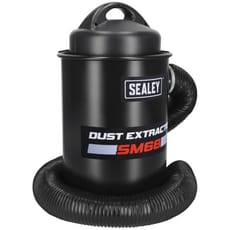
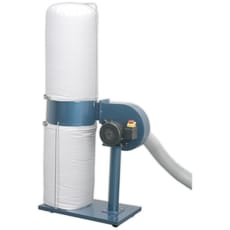
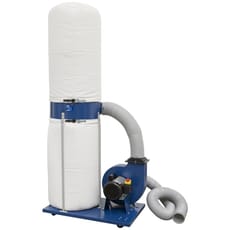
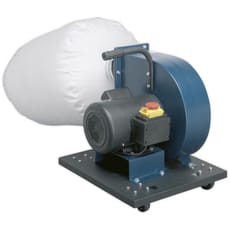
The Sealey dust extractor range at Tooled-Up includes several popular categories suited to different applications. Their workshop dust extractors offer powerful stationary extraction ideal for dedicated woodworking spaces, with large capacity collection systems and robust filtration. These units typically feature 240v motors designed for continuous operation during extended working sessions.
Portable dust extractors from Sealey provide mobile solutions perfect for contractors who need to move between locations or work in different areas of a site. These compact units balance powerful suction with manageable size and weight, making them practical for carpenters, floor fitters and other mobile tradespeople.
Sealey also produces specialist vacuum extractors designed for specific applications, such as models with anti-static hoses for electronics work or wet and dry capabilities for versatile workshop cleaning. Their range includes both single-phase 240v models for standard workshop use and options suitable for various power tool connections and hose diameters.
Safety and Compliance
Using dust extraction equipment isn't just about maintaining a tidy workspace – it's a critical health and safety requirement for protecting against respiratory hazards. The Health and Safety Executive (HSE) provides clear guidance on controlling exposure to wood dust, silica and other harmful particles, and effective dust extraction is a key control measure. Sealey dust extractors help users comply with Control of Substances Hazardous to Health (COSHH) regulations by capturing dust at source before it becomes airborne.
Many Sealey dust extractors incorporate M-Class or L-Class filtration suitable for capturing medium-risk dusts as classified under EN 60335-2-69. This makes them appropriate for professional use in environments where regulatory compliance is essential. When selecting a dust extractor, it's important to match the filtration class to the materials you'll be working with – hardwoods, MDF and certain construction materials require higher levels of filtration than softwoods or general workshop debris.
Regular maintenance of dust extraction equipment is essential for maintaining both performance and safety. Sealey designs their extractors with accessible filters and collection bins to encourage proper maintenance routines. Always ensure filters are clean and correctly fitted, collection bins are emptied before reaching capacity, and hoses are checked for blockages or damage that could reduce extraction efficiency.
Frequently Asked Questions
What's the difference between a dust extractor and a workshop vacuum?
Whilst both collect debris, dust extractors are specifically designed to capture fine airborne particles through high-efficiency filtration systems, typically featuring HEPA or multi-stage filters. They're engineered to maintain consistent suction when connected to power tools and meet health and safety requirements for dust control. Workshop vacuums are generally better suited to general cleaning tasks rather than continuous dust extraction during tool operation.
Can Sealey dust extractors connect to any power tool?
Sealey dust extractors typically feature standard hose connections (commonly 36mm or 100mm diameters) that work with most power tools equipped with dust extraction ports. However, you may need adapters to connect certain tools, as manufacturers use varying port sizes. Tooled-Up stocks compatible hoses and adapters to ensure proper connections between your Sealey extractor and your power tools.
How often should I empty the collection bin and clean the filters?
Collection bins should be emptied before they're completely full – typically when they reach around two-thirds capacity – to maintain optimal suction. Filter cleaning frequency depends on usage intensity and the materials you're working with, but inspect filters regularly and clean or replace them when you notice reduced suction or visible dust accumulation. Fine dusts like MDF require more frequent filter attention than coarse wood shavings.
Are Sealey dust extractors suitable for commercial workshop environments?
Yes, Sealey dust extractors are designed for professional use and are commonly found in commercial workshops, joinery shops and construction sites throughout the UK. They offer the durability, performance and filtration standards required for daily professional use. When selecting a model for commercial applications, consider factors such as collection capacity, motor duty cycle, and filtration class to ensure it meets your operational demands and regulatory requirements.
Do Sealey dust extractors comply with UK health and safety regulations?
Sealey manufactures their dust extractors to meet relevant UK and European safety standards. When used correctly with appropriate filtration for your application, Sealey dust extractors help businesses comply with HSE guidance and COSHH regulations regarding dust control. It's important to select an extractor with filtration suitable for the specific materials you work with – M-Class filtration is required for medium-risk dusts including hardwoods and MDF.