

Sealey Engineers & Mechanics Vices
 Loading...
End of content
Error - No more pages to load
Sealey Engineers & Mechanics Vices at Tooled-Up.com
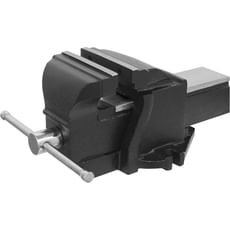
Sealey has established itself as one of the UK's most trusted names in professional workshop equipment, and their range of engineers and mechanics vices exemplifies the brand's commitment to quality and durability. Tooled-Up.com stocks a comprehensive selection of Sealey Engineers & Mechanics Vices, designed to meet the exacting demands of professional workshops, engineering facilities, and dedicated DIY enthusiasts who refuse to compromise on tool quality.
Every Sealey vice is engineered with precision manufacturing techniques and constructed from high-grade materials to ensure reliable clamping force and long-term performance. From compact bench-mounted models ideal for intricate precision work to heavy-duty industrial vices capable of securing substantial workpieces, the Sealey range caters to diverse workshop requirements. These vices feature robust cast iron construction, hardened steel jaws, and smooth operating mechanisms that maintain their accuracy even after years of demanding use.
Whether you're working with metal fabrication, automotive repair, or general engineering projects, Sealey vices provide the stable, secure workholding solution that professionals depend upon. The attention to detail in their design—from the precision-ground anvil surfaces to the reinforced base mounting points—reflects Sealey's understanding of real-world workshop conditions and the performance standards that tradespeople expect.
Why Choose Sealey Engineers & Mechanics Vices?
Sealey's reputation in the UK tool market spans decades, built upon consistent delivery of professional-grade equipment at competitive price points. Their engineers and mechanics vices embody this philosophy, offering exceptional build quality that rivals premium European manufacturers whilst remaining accessible to both professional workshops and serious home mechanics.
The brand's commitment to quality control means every vice undergoes rigorous testing before leaving the factory. Castings are inspected for flaws, jaw alignment is verified to exacting tolerances, and operating mechanisms are tested through thousands of cycles. This attention to quality assurance translates into tools that perform reliably day after day, maintaining their accuracy and clamping force throughout their working life.
Sealey engineers continually refine their vice designs based on feedback from professional users across various industries. This results in practical improvements such as larger anvil surfaces for metalworking tasks, replaceable jaw faces to extend service life, and mounting systems that accommodate different bench configurations. The combination of proven engineering principles with modern manufacturing techniques delivers vices that represent outstanding value for money.
Who Uses Sealey Engineers & Mechanics Vices?
Sealey Engineers & Mechanics Vices are the workholding solution of choice for a diverse range of professionals and enthusiasts:
- Automotive mechanics and vehicle technicians requiring secure holding of components during repair and modification work
- General engineers and machinists needing precision workholding for fabrication and finishing operations
- Maintenance fitters working across industrial and commercial facilities
- Agricultural engineers repairing and maintaining farm machinery and equipment
- Metal fabricators and welders preparing and positioning workpieces for joining operations
- Tool and die makers requiring stable platforms for precision work
- Model engineers and hobbyists undertaking detailed metalworking projects
- Educational institutions equipping engineering workshops and training facilities
- Plant and facilities maintenance teams performing on-site repairs and modifications
Key Features of Sealey Engineers & Mechanics Vices
Sealey Engineers & Mechanics Vices incorporate numerous features that distinguish them as professional-grade workholding tools. The cast iron construction provides exceptional rigidity and vibration damping, essential for precision work and heavy-duty applications. Bodies are reinforced at stress points to resist flexing under maximum clamping loads, ensuring workpieces remain securely positioned throughout machining or assembly operations.
Jaw design receives particular attention in Sealey's engineering process. Serrated jaw faces provide aggressive grip on metal workpieces, whilst removable jaw covers protect finished surfaces when required. Many models feature integrated pipe jaws within the body casting, adding versatility for holding cylindrical components without additional accessories. The large square thread spindles operate smoothly whilst delivering substantial mechanical advantage for generating clamping force.
Anvil surfaces are precision-ground to provide flat, true working areas suitable for light forming and assembly work. The substantial mass of Sealey vices provides an ideal platform for striking operations without transmitting excessive shock to the bench. Mounting arrangements typically include elongated bolt holes, allowing precise positioning and secure fixing to various bench constructions. Swivel base models incorporate robust bearing surfaces and positive locking mechanisms, enabling secure workpiece positioning at any angle whilst maintaining full clamping capacity.
Popular Sealey Engineers & Mechanics Vices
The Sealey range encompasses vice sizes from compact 75mm jaw models through to substantial 200mm industrial units. Smaller vices suit electronics repair, model making, and light engineering tasks where bench space is limited. Mid-range 100-150mm jaw vices represent the most popular choice for general workshop use, offering an excellent balance between capacity and footprint.
Heavy-duty models with 150-200mm jaws cater to industrial applications, automotive workshops, and fabrication environments where securing substantial workpieces is routine. Fixed base vices provide maximum rigidity for precision work, whilst swivel base variants add positioning flexibility for complex assemblies. Quick-release mechanisms feature on selected models, enabling rapid repositioning of workpieces without continuous handle rotation—a significant productivity benefit in production environments.
Safety and Compliance
Proper installation and use of engineers vices is essential for safe workshop operation. Browse the Sealey selection at Tooled-Up to find models appropriate for your specific applications. Vices must be securely bolted to rigid benches capable of withstanding clamping forces and any associated working loads. The Health and Safety Executive (HSE) guidance on workshop equipment emphasises the importance of proper workholding to prevent workpiece movement during machining operations.
Sealey vices should be inspected regularly for jaw wear, spindle condition, and mounting security. Jaw faces should be replaced when serrations become worn, and moving parts should be kept clean and lightly lubricated. Never exceed the vice's rated capacity, and always position workpieces deep within the jaws to maximise clamping effectiveness and prevent jaw distortion. When striking workpieces held in vices, ensure blows are directed appropriately to avoid damaging the vice body or compromising its accuracy.
Frequently Asked Questions
What size Sealey vice do I need for general workshop use?
For most general engineering and mechanical work, a Sealey vice with 100-125mm jaw width provides an excellent balance between capacity and practicality. This size accommodates typical automotive components, general fabrication work, and most DIY projects whilst not overwhelming standard workshop benches. Professional workshops handling larger components may prefer 150mm models.
Should I choose a fixed base or swivel base Sealey vice?
Fixed base vices offer maximum rigidity and are ideal for precision work, filing, and applications where the workpiece orientation remains constant. Swivel base models provide positioning flexibility, particularly valuable for assembly work, welding preparation, and situations where accessing multiple faces of a workpiece is necessary. Many professionals opt for both types to suit different tasks.
How do I properly maintain my Sealey engineers vice?
Regular maintenance involves keeping the spindle thread clean and lightly oiled, checking mounting bolts remain tight, and inspecting jaw faces for wear. Remove metal filings and debris from moving parts after use. The sliding section and spindle should operate smoothly—any stiffness indicates a need for cleaning and lubrication. Store the vice with jaws slightly open to reduce stress on components.
Can I use a Sealey engineers vice for woodworking projects?
Whilst Sealey engineers vices can hold wooden workpieces, they're optimised for metalworking with serrated jaws that may mark softwood. For occasional woodworking, use jaw protectors or softwood blocks between the jaws and workpiece. Dedicated woodworking vices offer features better suited to timber work, including broader jaws and non-marring surfaces.
What's the difference between Sealey's standard and heavy-duty vice ranges?
Sealey's heavy-duty vices feature thicker body castings, larger diameter spindles, and reinforced construction throughout, enabling them to withstand higher clamping forces and more demanding applications. They're designed for industrial environments and workshops where vices are used intensively. Standard models suit general workshop use and provide excellent performance for typical engineering and mechanical tasks at more accessible price points.