

Sealey Glass Sandpaper
 Loading...
Sealey Glass Sandpaper at Tooled-Up.com
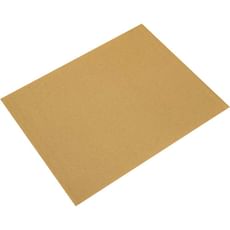
Sealey has established itself as a trusted name in workshop consumables and abrasives, with their glass sandpaper range representing decades of refinement in surface preparation technology. Glass sandpaper, also known as glasspaper, uses crushed glass particles bonded to paper backing to create a versatile abrasive ideal for fine finishing work on wood, paint, and metal surfaces. The Sealey glass sandpaper collection available from Tooled-Up.com offers professionals and DIY enthusiasts reliable solutions for detailed sanding applications where precision and control are paramount.
Unlike modern aluminium oxide or silicon carbide abrasives designed for aggressive material removal, Sealey glass sandpaper serves a specific niche in traditional woodworking and restoration projects. Its gentler cutting action makes it particularly suited to delicate finishing work, paint preparation, and situations where finer control over material removal is required. Tooled-Up stocks Sealey's glass sandpaper products in various grit grades, allowing users to select the appropriate coarseness for their specific application, from initial smoothing through to final polishing stages.
The Sealey brand's commitment to delivering consistent quality at competitive prices has made their glass sandpaper a staple in workshops across the UK. Whether you're a furniture restorer working on antique pieces, a decorator preparing surfaces for painting, or a hobbyist woodworker seeking that perfect finish, the Sealey glass sandpaper range provides dependable performance for hand-sanding applications.
Why Choose Sealey Glass Sandpaper?
Sealey's reputation for manufacturing reliable workshop consumables extends to their glass sandpaper range, where quality control and consistent performance are paramount. The brand understands that effective sanding requires uniformly distributed abrasive particles and strong adhesion to the backing paper – qualities that prevent premature wear and ensure even material removal throughout the sheet's working life.
One of the key advantages of choosing Sealey glass sandpaper is the brand's understanding of trade and professional requirements. Their products are manufactured to deliver consistent results across entire batches, meaning professionals can rely on predictable performance when ordering multiple sheets for larger projects. The paper backing used in Sealey glass sandpaper is weight-appropriate for the grit grade, providing sufficient flexibility for contoured surfaces whilst maintaining tear resistance during vigorous hand-sanding operations.
Sealey's competitive pricing structure makes their glass sandpaper particularly attractive for tradespeople who require quality abrasives without premium pricing. This value proposition doesn't compromise on performance – Sealey glass sandpaper maintains its cutting efficiency throughout its usable life, reducing the need for frequent sheet changes and ultimately lowering consumable costs on projects requiring extensive surface preparation.
Who Uses Sealey Glass Sandpaper?
- Furniture Restorers – professionals working on antique and period furniture where traditional finishing methods are preferred
- Decorators and Painters – tradespeople preparing surfaces for painting and finishing applications
- Joiners and Cabinetmakers – craftsmen requiring fine finishing abrasives for detailed woodwork
- Model Makers – hobbyists and professionals needing precision control for small-scale sanding work
- DIY Enthusiasts – home improvers tackling renovation and restoration projects
- Automotive Restorers – specialists preparing bodywork and trim for refinishing
- Musical Instrument Makers – luthiers and craftspeople requiring gentle abrasives for delicate work
- Maintenance Teams – facilities professionals conducting general repair and refurbishment tasks
Key Features of Sealey Glass Sandpaper
Sealey glass sandpaper incorporates several features that distinguish it as a reliable choice for hand-sanding applications. The crushed glass abrasive particles are carefully graded to ensure consistent grit sizing within each grade, delivering uniform scratch patterns and predictable material removal rates. This consistency is crucial when working on visible surfaces where scratches from oversized particles could compromise the finished appearance.
The paper backing used in Sealey glass sandpaper is specially treated to resist tearing whilst maintaining flexibility. This allows the sheets to conform to curved surfaces and mouldings without cracking or delaminating, extending the working life of each sheet. The adhesive bonding the glass particles to the backing is formulated to withstand the friction and heat generated during sanding without releasing particles prematurely, ensuring consistent performance throughout the abrasive's life.
Sealey offers their glass sandpaper in multiple grit grades, from coarser options for initial smoothing through to fine grades for finishing work. This range allows users to progress through sanding stages systematically, gradually refining the surface quality. The sheets are manufactured to standard sizes compatible with hand-sanding blocks and holders, making them easy to integrate into existing workflows and tool setups.
Popular Sealey Glass Sandpaper
The Sealey glass sandpaper range encompasses various grit grades suited to different stages of surface preparation. Coarse grades are popular for initial smoothing of rough-sawn timber and removal of old finishes, where their aggressive cutting action quickly levels high spots and removes material efficiently. Medium grades serve as intermediate steps, refining surfaces after initial preparation whilst removing scratches left by coarser abrasives.
Fine grade Sealey glass sandpaper is particularly popular amongst furniture restorers and finishers, who value its ability to create smooth surfaces ready for staining, varnishing, or painting. These finer grits excel at removing minor imperfections and creating the uniform surface texture essential for professional-quality finishes. For craftspeople working on detailed projects, extra-fine grades provide the ultimate in surface refinement, creating glass-smooth results ideal for high-quality finishing applications.
Sheet formats remain the most versatile option in the Sealey glass sandpaper range, allowing users to cut custom sizes for specific applications or fold sheets to access tight spaces. This flexibility makes glass sandpaper sheets essential consumables in any well-equipped workshop or toolbox.
Safety and Compliance
When using Sealey glass sandpaper, proper personal protective equipment is essential to ensure safe operation. Sanding generates fine dust particles that can irritate respiratory passages and eyes, making appropriate dust masks or respirators compliant with HSE guidance mandatory for extended sanding operations. Safety glasses or goggles protect eyes from airborne particles, particularly when sanding overhead surfaces or in confined spaces.
Adequate ventilation is crucial when sanding, especially when working with materials that may contain harmful substances such as old lead-based paints or treated timber. COSHH regulations require assessment of potential hazards before commencing work, with appropriate controls implemented to minimise exposure. For extensive sanding projects, extraction equipment significantly reduces airborne dust levels, protecting both operators and maintaining cleaner working environments.
Regular breaks during prolonged hand-sanding help prevent repetitive strain injuries affecting wrists, arms, and shoulders. Maintaining proper posture and using ergonomic sanding blocks reduces physical strain. Sealey glass sandpaper should be stored in dry conditions to prevent moisture affecting the paper backing and adhesive, ensuring sheets remain in optimal condition until use.
Frequently Asked Questions
What's the difference between glass sandpaper and modern abrasives?
Glass sandpaper uses crushed glass particles and is traditionally favoured for fine finishing work and situations requiring gentle, controlled abrasion. Modern aluminium oxide or silicon carbide abrasives are more aggressive and longer-lasting, suited to heavy material removal. Sealey glass sandpaper excels in applications where traditional finishing techniques are preferred or where its specific cutting characteristics benefit the work.
Which Sealey glass sandpaper grit should I use for furniture restoration?
For furniture restoration, start with medium grits (around 80-100) to remove old finishes and level surfaces, progress to fine grits (120-180) for general smoothing, and finish with extra-fine grades (220-320) before applying stains or finishes. Sealey offers appropriate grades for each stage, allowing systematic surface refinement.
Can Sealey glass sandpaper be used with power sanders?
Sealey glass sandpaper is primarily designed for hand-sanding applications. Power sanders generate significantly more heat and friction, which can cause premature breakdown of the adhesive and paper backing. For power sanding, Sealey offers specifically designed abrasive products engineered to withstand the demands of mechanical sanding equipment.
How do I store Sealey glass sandpaper to maintain its effectiveness?
Store Sealey glass sandpaper in a dry environment away from moisture, which can weaken the paper backing and affect adhesive performance. Keep sheets flat to prevent curling and avoid exposing them to extreme temperatures. Properly stored glass sandpaper maintains its cutting efficiency and backing integrity for extended periods.
Is Sealey glass sandpaper suitable for metal finishing work?
Whilst Sealey glass sandpaper can be used on softer metals for very light finishing work, dedicated metal abrasives like emery cloth or aluminium oxide papers are generally more effective for metalworking applications. Glass sandpaper's primary strengths lie in woodworking and paint preparation where its specific abrasive characteristics deliver optimal results.