

Sealey Inspection Cameras
 Loading...
End of content
Error - No more pages to load
Sealey Inspection Cameras at Tooled-Up.com
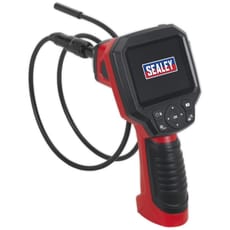
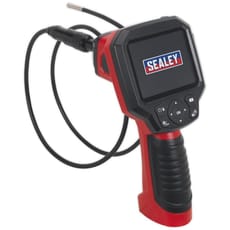
Sealey has established itself as a leading manufacturer of professional inspection cameras, delivering innovative diagnostic solutions that enable tradespeople and engineers to access and examine confined spaces with precision and clarity. The comprehensive Sealey inspection camera range available from Tooled-Up.com combines cutting-edge imaging technology with rugged, site-ready construction designed to withstand the demands of daily professional use. From compact borescopes for tight cavity inspections to advanced video endoscopes with articulating camera heads, Sealey's inspection equipment provides the visual access needed for accurate diagnostics and quality control across numerous applications.
Each Sealey inspection camera is engineered to deliver high-resolution imaging in challenging environments where direct visual access is impossible or impractical. Whether inspecting inside engine cylinders, behind cavity walls, within drainage systems, or through complex machinery, these diagnostic tools provide real-time visual feedback that eliminates guesswork and reduces diagnostic time. Sealey inspection cameras feature LED illumination systems, flexible insertion probes, and intuitive display interfaces that make professional-grade inspection accessible to both seasoned engineers and skilled DIY enthusiasts alike.
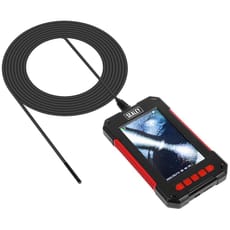
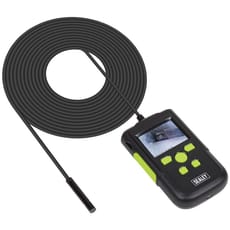
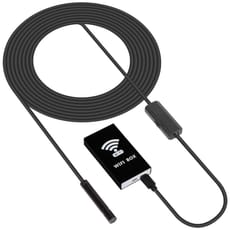
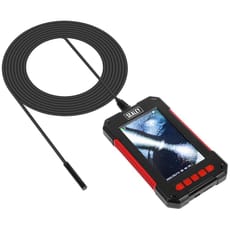
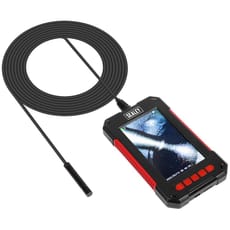
The Sealey inspection camera portfolio at Tooled-Up includes models with varying cable lengths, camera head diameters, and display options to suit different inspection scenarios. From handheld units with integrated LCD screens to Wi-Fi enabled models that connect to smartphones and tablets, Sealey provides inspection solutions that integrate seamlessly with modern working practices whilst maintaining the durability and reliability expected from professional diagnostic equipment.
Why Choose Sealey Inspection Cameras?
Sealey's reputation for delivering professional-quality tools at accessible price points extends throughout their inspection camera range. Each unit undergoes rigorous quality control to ensure consistent performance in demanding trade environments. The brand's commitment to practical innovation means Sealey inspection cameras incorporate features that matter to working professionals—waterproof camera heads for drainage and plumbing applications, adjustable LED brightness for optimal illumination in varying conditions, and robust cable construction that resists kinking and damage during repeated use.
What distinguishes Sealey inspection cameras is their focus on user-friendly operation without compromising on professional capabilities. Intuitive controls, clear display screens, and straightforward setup procedures mean technicians can begin inspections quickly without lengthy preparation or complicated calibration. Sealey also provides comprehensive accessory kits with many models, including mirror attachments, magnet retrievers, and hook tools that extend the diagnostic capabilities beyond simple visual inspection. The brand's extensive UK distribution network ensures spare parts, accessories, and technical support remain readily accessible throughout the product lifecycle.
Who Uses Sealey Inspection Cameras?
Sealey inspection cameras serve a diverse range of professional trades and technical applications:
- Automotive Technicians and Mechanics: Inspecting engine cylinders, examining cylinder walls, checking valve seats, and diagnosing internal engine issues without disassembly
- Plumbers and Heating Engineers: Investigating blockages in drainage systems, inspecting pipe joints, examining boiler internals, and assessing cavity wall conditions
- Electricians: Routing cable runs through cavity walls, inspecting conduit interiors, and examining electrical installations in confined spaces
- Building Surveyors and Property Inspectors: Assessing hidden structural issues, examining roof spaces, investigating damp problems, and conducting pre-purchase property surveys
- HVAC Engineers: Inspecting ductwork, examining ventilation systems, and checking air conditioning unit internals
- Manufacturing and Quality Control: Inspecting welded joints, examining internal component assembly, and conducting quality assurance checks on manufactured products
- Aircraft and Marine Engineers: Accessing confined spaces within aircraft structures and boat hulls for maintenance inspections
- DIY Enthusiasts: Investigating household problems, checking cavity insulation, and conducting home improvement diagnostics
Key Features of Sealey Inspection Cameras
Sealey inspection cameras incorporate technological features designed to enhance diagnostic accuracy and operational convenience. High-resolution CMOS sensors deliver clear imagery even in low-light conditions, whilst adjustable LED illumination systems provide optimal lighting control for different inspection environments. The flexible yet durable insertion cables allow navigation through complex pathways whilst maintaining camera stability, and varying camera head diameters—typically ranging from 5.5mm to 17mm—enable access to spaces of different sizes.
Many Sealey models feature waterproof camera heads rated to IP67 or IP68 standards, making them suitable for wet environments including drainage systems, fuel tanks, and cooling systems. LCD display screens provide real-time viewing with sufficient brightness for outdoor use, whilst image and video recording capabilities allow documentation of inspection findings for client reports or warranty claims. Some advanced models include Wi-Fi connectivity, enabling wireless viewing on smartphones and tablets for improved accessibility and collaborative diagnostics.
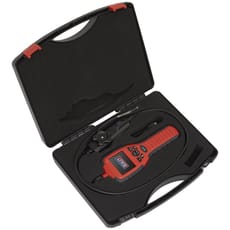
Practical features such as 180-degree or 360-degree articulating camera heads, built-in measurement scales for sizing defects, and freeze-frame functionality enhance diagnostic capabilities. Rechargeable battery systems provide cordless operation for improved portability, whilst robust carry cases protect equipment during transport and storage between job sites.
Popular Sealey Inspection Cameras
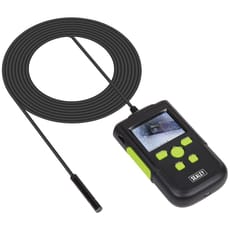
The Sealey inspection camera range encompasses several distinct product categories tailored to different professional requirements. Compact borescope models with rigid or semi-rigid probes excel in automotive cylinder inspections and small cavity examinations. Mid-range video inspection cameras with flexible cables ranging from 1 to 10 metres suit general trade applications including plumbing, electrical work, and building surveys.
Advanced wireless inspection cameras with smartphone connectivity appeal to technicians who value digital integration and easy documentation sharing. Professional-grade video endoscopes with articulating camera heads provide maximum manoeuvrability for complex inspection scenarios. Tooled-Up stocks various Sealey inspection camera accessories including extension cables, alternative camera head sizes, and specialised attachments that expand diagnostic capabilities across the range.
Safety and Compliance
When operating Sealey inspection cameras, users should observe appropriate safety precautions for the environments being inspected. Always ensure mains-powered equipment and 240V systems are isolated before introducing inspection cameras into electrical installations. Camera equipment should not be used in explosive atmospheres unless specifically rated for such environments. Waterproof ratings should be verified before submerging camera heads in liquids, and chemical compatibility should be confirmed when inspecting tanks or systems containing aggressive substances.
Sealey inspection cameras comply with relevant CE marking requirements and electromagnetic compatibility standards for electronic equipment. Regular inspection of cable integrity, camera head condition, and display functionality helps maintain safe operation and diagnostic accuracy. When working at height or in confined spaces whilst operating inspection equipment, appropriate HSE guidelines and risk assessments should be followed to ensure operator safety remains paramount.
Frequently Asked Questions
What cable lengths are available in Sealey inspection cameras?
Sealey offers inspection cameras with cable lengths typically ranging from 1 metre for compact borescopes up to 10 metres or more for drainage and extended reach applications. The appropriate cable length depends on the inspection depth required—automotive work generally needs shorter cables, whilst building surveys and drainage inspections benefit from longer reach capabilities.
Can Sealey inspection cameras record images and video?
Many Sealey inspection camera models feature built-in recording capabilities, allowing users to capture still images and video footage during inspections. This documentation proves invaluable for client reports, warranty claims, and maintaining service records. Models vary in storage capacity and recording resolution, so checking specifications ensures the chosen unit meets documentation requirements.
Are Sealey inspection camera heads suitable for use in water and drainage systems?
Sealey manufactures inspection cameras with waterproof camera heads rated to IP67 or IP68 standards, making them fully suitable for submerged operation in drainage systems, water tanks, and wet environments. Always verify the specific waterproof rating and maximum immersion depth for your chosen model before use in aquatic applications.
What diameter inspection spaces can Sealey cameras access?
Sealey inspection cameras feature camera head diameters ranging from approximately 5.5mm for ultra-compact applications up to 17mm or larger for general inspection work. Smaller diameter heads access tight spaces such as injector ports and small cavities, whilst larger heads typically provide superior image quality and more robust LED illumination for general diagnostic work.
Do Sealey inspection cameras work with smartphones and tablets?
Selected Sealey inspection camera models incorporate Wi-Fi connectivity, enabling wireless connection to smartphones and tablets via dedicated apps. This wireless capability facilitates collaborative diagnostics, easier documentation sharing, and improved viewing angles during inspections. Traditional models with integrated LCD screens remain popular for their standalone operation without requiring additional devices or connectivity.