

Sealey Mask Replacement Filters





 Loading...
End of content
Error - No more pages to load
Sealey Mask Replacement Filters at Tooled-Up.com
Sealey has established itself as a trusted name in respiratory protection, offering a comprehensive range of mask replacement filters designed to maintain the effectiveness and safety of breathing apparatus across industrial, automotive, and construction environments. As one of the UK's leading suppliers of professional workshop equipment and safety gear, Sealey understands that regular filter replacement is crucial for maintaining optimal respiratory protection against hazardous dusts, fumes, vapours, and airborne contaminants.
The Sealey mask replacement filters available at Tooled-Up.com cater to various protection requirements, from particle filtration to combined gas and particulate defence. Whether you're working with spray paints, solvents, welding fumes, or dust-generating activities, Sealey provides filters that comply with relevant EN standards to ensure tradespeople can work safely and confidently. Each filter is engineered to deliver reliable performance whilst maintaining comfortable breathing resistance, allowing extended wear during demanding tasks.
Compatibility is a key consideration when selecting replacement filters, and Sealey's range is designed to fit their extensive selection of half-mask and full-face respirators. Regular replacement of filters is essential not only for maintaining protection levels but also for ensuring compliance with workplace health and safety regulations under COSHH guidelines.
Why Choose Sealey Mask Replacement Filters?
Sealey has built a reputation over decades for delivering professional-grade safety equipment at accessible price points, making quality respiratory protection available to both trade professionals and serious DIY enthusiasts. Their mask replacement filters undergo rigorous testing to meet British and European standards, providing assurance that each filter delivers the stated protection factor when used correctly.
The brand's commitment to practical design means their filters feature straightforward fitment systems, reducing the risk of incorrect installation that could compromise protection. Sealey filters are manufactured using high-quality filtration media that balances effective contaminant removal with breathability, reducing user fatigue during extended wear periods. This attention to user comfort helps promote consistent use, which is fundamental to effective respiratory protection on site.
Value for money is another hallmark of Sealey products. Tooled-Up stocks Sealey replacement filters at competitive prices, allowing tradespeople to maintain their respiratory equipment without excessive ongoing costs. This affordability doesn't come at the expense of quality – Sealey filters provide dependable protection that meets the demands of professional environments where respiratory hazards are present daily.
Who Uses Sealey Mask Replacement Filters?
Sealey mask replacement filters serve a diverse range of users across multiple industries and applications:
- Spray Painters and Automotive Refinishers – protecting against paint mists, solvents, and isocyanates
- Welders and Metal Fabricators – filtering welding fumes and metal particulates
- Carpenters and Joiners – defence against wood dust, particularly from hardwoods and treated timbers
- Builders and General Contractors – protection during cutting, grinding, and demolition work
- Decorators and Tradespeople – filtering paint sprays, varnish vapours, and coating materials
- Maintenance Engineers – protection in environments with multiple contaminant types
- Agricultural Workers – filtering pesticides, fertilisers, and organic dusts
- Workshop Technicians – defence against mechanical dusts, oils, and chemical vapours
- DIY Enthusiasts – maintaining safety during home improvement and restoration projects
Key Features of Sealey Mask Replacement Filters
Sealey mask replacement filters incorporate several important features that contribute to their effectiveness and ease of use:
EN Standard Compliance: Filters are manufactured to meet relevant European standards for respiratory protective equipment, with clear classification markings indicating their protection class and suitability for specific contaminant types.
Multiple Protection Classes: The range includes various filter types from P1 (low-level dust protection) through P2 and P3 (higher-grade particulate filtration), plus combination filters offering both particulate and gas/vapour protection with appropriate colour coding for easy identification.
Secure Fitting Mechanisms: Bayonet-style or screw-thread connections ensure filters attach firmly to compatible Sealey respirators, preventing accidental detachment during work and maintaining an effective seal.
Clear Usage Indicators: Packaging includes guidance on recommended replacement intervals and service life, helping users maintain protection effectiveness and comply with HSE guidance on respiratory protective equipment maintenance.
Compact Design: Filters are engineered to provide maximum filtration capacity whilst remaining relatively lightweight and low-profile, reducing neck strain and improving visibility during detailed work.
Popular Sealey Mask Replacement Filters
The Sealey mask replacement filter range encompasses several filter types designed for different respiratory hazards:
Particulate Filters: Available in P1, P2, and P3 classifications, these filters protect against solid and liquid aerosols, with P3 filters offering the highest level of particulate protection for applications involving toxic dusts and fine particulates.
Gas and Vapour Filters: Colour-coded according to the contaminant type they protect against (organic vapours, inorganic gases, acid gases), these filters use activated carbon or chemical absorbent media to remove gaseous contaminants from breathing air.
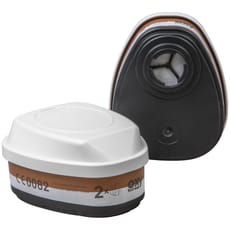
Combination Filters: Integrating both particulate and gas filtration in a single unit, combination filters provide comprehensive protection for applications involving multiple hazard types, such as spray painting where both solvent vapours and paint mists are present.
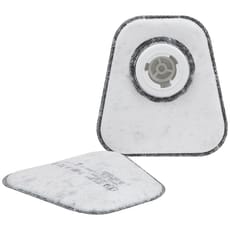
Pre-Filters and Retainers: Supporting components that extend the life of primary filters by capturing larger particles before they reach the main filtration media, reducing replacement frequency and ongoing costs.
Safety and Compliance
Respiratory protection is governed by strict regulations in the UK, and proper filter selection and maintenance are critical for compliance and safety. Sealey mask replacement filters conform to the relevant EN standards, which classify respiratory protective equipment according to the level and type of protection provided.
Under COSHH regulations, employers must assess respiratory hazards and provide appropriate protective equipment, including ensuring that filters are replaced at recommended intervals. Filters have a limited service life that depends on contaminant concentration, breathing rate, and environmental conditions. Sealey provides guidance on typical service life, but users should replace filters when breathing resistance increases noticeably, when odours or tastes are detected (for gas filters), or according to a predetermined change schedule based on workplace exposure assessments.
Face fit testing is a legal requirement for tight-fitting respirators in many workplace situations. Even with correct filters fitted, a respirator cannot provide adequate protection without achieving a proper seal to the wearer's face. The HSE provides detailed guidance on face fit testing requirements and frequency.
Always store replacement filters in their original packaging until needed, keeping them in a cool, dry location away from contaminants. Inspect filters before fitting to ensure packaging integrity hasn't been compromised, and never attempt to clean or reuse filters beyond their intended service life.
Frequently Asked Questions
How often should I replace Sealey mask filters?
Replacement frequency depends on usage intensity and contaminant levels. Particulate filters should be replaced when breathing becomes noticeably more difficult or after the manufacturer's recommended use period. Gas and vapour filters must be changed when you detect odours or tastes, or according to a predetermined schedule based on workplace exposure assessment. For intermittent use, many tradespeople replace filters monthly or quarterly, whilst daily users in high-contaminant environments may need more frequent changes.
Are Sealey replacement filters compatible with other respirator brands?
Sealey filters are specifically designed to fit Sealey respirators and masks. Whilst some filters may physically attach to other brands, this practice is not recommended as it may compromise the seal and protection factor, potentially voiding certifications and creating safety risks. Always use manufacturer-specified replacement filters to ensure proper fit, performance, and compliance with EN standards.
What's the difference between P1, P2, and P3 particulate filters?
These classifications indicate filtration efficiency: P1 filters capture at least 80% of airborne particles and are suitable for low-toxicity dusts; P2 filters capture at least 94% of particles and are appropriate for moderate-toxicity dusts including wood dust and metal fumes; P3 filters capture at least 99.95% of particles and are required for highly toxic materials such as asbestos, lead dust, and radioactive particles. Always select the filter class specified in your workplace risk assessment.
Can I use Sealey gas filters for spray painting?
Spray painting typically requires combination filters that protect against both organic vapours (from solvents) and paint particulates. A gas-only filter will not protect against paint mists. Check the filter marking and select A2P2 or A2P3 combination filters for most spray painting applications, or higher specifications if working with isocyanate-containing paints, which require specific respiratory protection under COSHH regulations.
How should I store unused Sealey replacement filters?
Keep filters sealed in their original packaging until needed, stored in a cool, dry location away from direct sunlight and contaminants. Gas and vapour filters have a limited shelf life even when unopened (typically around five years), so check packaging dates and rotate stock appropriately. Once a gas filter package is opened, its service life begins even if not immediately fitted to a respirator, as the absorbent media begins reacting with atmospheric moisture and contaminants.