

Sealey Sanding Belts

 Loading...
End of content
Error - No more pages to load
Sealey Sanding Belts at Tooled-Up.com
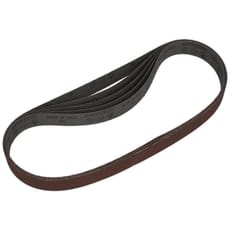
Sealey stands as one of the UK's most trusted names in professional tools and workshop equipment, with their range of sanding belts delivering the quality and performance that tradespeople and serious DIY enthusiasts demand. Engineered for use with belt sanders and linishers, Sealey sanding belts are manufactured to exacting standards, offering consistent performance across a wide variety of materials and applications. Whether you're working with wood, metal, or composite materials, these abrasive belts provide the cutting efficiency and durability needed to complete demanding surface preparation tasks.
The comprehensive selection available from Tooled-Up includes various grit sizes and belt dimensions to suit different sanding applications. From coarse grits for rapid material removal and initial surface preparation to fine grits for finishing work and achieving smooth, polished surfaces, Sealey's sanding belt range covers the full spectrum of professional requirements. These belts are designed to maintain their cutting performance throughout their lifespan, reducing the need for frequent replacements and helping to keep project costs under control.
Sealey's commitment to manufacturing quality extends to their abrasive products, with sanding belts constructed using high-grade abrasive minerals bonded to robust backing materials. This ensures consistent performance even under the demanding conditions of professional workshop environments, construction sites, and manufacturing facilities.
Why Choose Sealey Sanding Belts?
Sealey has built its reputation over decades of supplying the professional trade sector with reliable, cost-effective solutions. Their sanding belts embody this philosophy, offering exceptional value without compromising on performance or longevity. The brand's extensive experience in the tools and equipment market means they understand exactly what professional users require: consistent quality, predictable performance, and products that stand up to daily use in demanding environments.
One of the key advantages of choosing Sealey sanding belts is their versatility. These belts are engineered to work effectively across multiple materials, from softwoods and hardwoods to ferrous and non-ferrous metals, making them ideal for multi-trade environments and workshops where different projects demand different approaches. The quality of the abrasive grain and backing material ensures minimal belt breakage, reducing downtime and maintaining productivity throughout the working day.
Sealey's commitment to affordability makes their sanding belts particularly attractive for both professional tradespeople managing workshop consumable costs and DIY enthusiasts seeking professional-grade results. The brand's extensive distribution network across the UK means replacement belts are readily available when needed, ensuring minimal disruption to ongoing projects.
Who Uses Sealey Sanding Belts?
- Carpenters and joiners preparing timber surfaces and creating smooth finishes on woodworking projects
- Metal fabricators removing weld beads, rust, and surface imperfections from steel and aluminium components
- Cabinet makers achieving fine finishes on furniture components and decorative woodwork
- Vehicle body repair technicians preparing automotive panels and removing old paint finishes
- General maintenance engineers carrying out surface preparation and refurbishment work
- Manufacturing facilities requiring consistent surface finishing on production components
- Educational workshops in colleges and training centres teaching metalworking and woodworking skills
- DIY enthusiasts undertaking home renovation projects and furniture restoration work
Key Features of Sealey Sanding Belts
Sealey sanding belts incorporate several important features that contribute to their reliable performance. The abrasive grains are carefully selected and consistently distributed across the belt surface, ensuring even cutting action and preventing the gouging or scoring that can occur with inferior products. The backing material provides the necessary flexibility to conform to work surfaces while maintaining sufficient strength to resist tearing under normal operating conditions.
The joining method used in Sealey sanding belts creates a secure, low-profile seam that minimises vibration and prevents premature failure at the joint. This attention to construction detail ensures smooth operation and reduces the risk of marking workpieces during finishing operations. The belts are available in standard sizes compatible with popular belt sander and linisher models, making selection straightforward for professional users.
Heat resistance is another critical feature, particularly when working with metals or when aggressive material removal generates significant friction. Sealey sanding belts are designed to dissipate heat effectively, preventing the abrasive grains from breaking down prematurely and maintaining cutting performance even during extended use. This thermal stability also reduces the risk of work-hardening metal surfaces or scorching timber workpieces.
Popular Sealey Sanding Belts
Tooled-Up stocks Sealey sanding belts in the most commonly requested dimensions and grit specifications. Coarse grit belts (40-60 grit) are popular for rapid stock removal, initial surface preparation, and removing heavy rust or old coatings. Medium grit options (80-120 grit) suit general-purpose sanding applications, providing a good balance between material removal rate and surface finish quality.
Fine grit belts (150-240 grit and above) are chosen for finishing work, preparing surfaces for painting or varnishing, and achieving smooth finishes on both wood and metal. Many professional users maintain stocks of multiple grit sizes, allowing them to progress through successive grades for optimal results on demanding finishing projects.
Common belt sizes for portable belt sanders and bench-mounted linishers are particularly popular, catering to the workshop equipment most frequently found in professional environments. The availability of multi-packs offers excellent value for high-volume users who require regular replacement of consumable abrasives.
Safety and Compliance
When using sanding belts, appropriate personal protective equipment is essential. Eye protection should always be worn to guard against flying debris and abrasive particles, while respiratory protection is necessary when sanding creates fine dust, particularly when working with treated timber or materials that may contain hazardous substances. The Health and Safety Executive (HSE) provides clear guidance on controlling exposure to wood dust and other hazardous substances under COSHH regulations.
Ensure belt sanders and linishers are fitted with appropriate dust extraction systems where possible, reducing airborne particulate levels and improving visibility of the work area. Always inspect sanding belts before fitting to check for damage or defects, and never exceed the maximum operating speed marked on the sanding equipment. Secure workpieces properly to prevent movement during sanding operations, and maintain a firm grip on portable sanders to ensure control throughout the task.
Frequently Asked Questions
What grit sanding belt should I use for different applications?
For rapid material removal and initial surface preparation, use coarse grits (40-60). Medium grits (80-120) suit general sanding and smoothing work. Fine grits (150-240+) are ideal for finishing and preparing surfaces for coating. Many projects benefit from progressing through successive grits for optimal results.
How long do Sealey sanding belts typically last?
Belt lifespan depends on the material being worked, the aggressiveness of the application, and the operating pressure applied. Sealey belts are designed for durability, but coarse grits used for heavy stock removal will naturally wear faster than fine grits used for finishing work. Replace belts when cutting efficiency noticeably decreases.
Can Sealey sanding belts be used on both wood and metal?
Yes, Sealey sanding belts are versatile enough for use on various materials including wood, metal, and composites. However, for best results and to prevent cross-contamination, consider dedicating specific belts to particular material types, especially when working with both ferrous metals and timber.
How do I fit a sanding belt correctly?
Ensure the sander is disconnected from power before fitting belts. Release the belt tension mechanism, position the belt over both rollers ensuring the direction arrow on the belt matches the rotation direction of the machine, then re-engage the tensioning system. Check alignment and tracking before powering up.
Why does my sanding belt keep breaking?
Common causes include excessive tension, misaligned rollers, damaged roller surfaces, running the belt backwards, or applying too much pressure during use. Check your sander's adjustment mechanisms and ensure belts are correctly fitted. Using appropriate grit for the application also prevents unnecessary stress on the belt.