

Sealey Sanding Rolls
 Loading...
End of content
Error - No more pages to load
Sealey Sanding Rolls at Tooled-Up.com
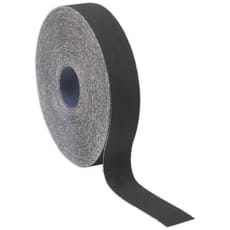
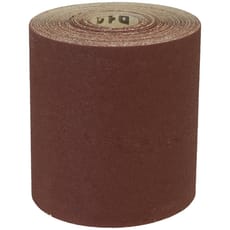
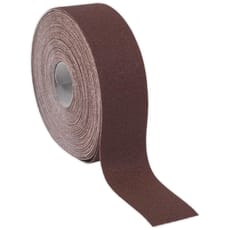
Sealey has established itself as one of Britain's most trusted names in workshop consumables, and their sanding rolls exemplify the quality and value that professionals expect. Designed for versatility across numerous surface preparation tasks, Sealey sanding rolls deliver consistent performance whether you're working with wood, metal, or composite materials. The range encompasses various grit grades and widths to suit different applications, from initial stock removal through to fine finishing work.
What sets Sealey sanding rolls apart is their commitment to manufacturing abrasives that balance aggressive cutting action with durability. Each roll is engineered with high-quality aluminium oxide or silicon carbide abrasive grains, bonded to a flexible backing material that resists tearing and premature wear. This construction ensures that tradespeople and DIY enthusiasts can work efficiently without frequent replacement, making them a cost-effective choice for both one-off projects and daily workshop use.
The Sealey sanding roll range available from Tooled-Up.com caters to diverse sanding requirements, with options suitable for hand sanding applications and those designed for use with power tools. Whether you need a narrow roll for detailed work or a wider format for large surface areas, Sealey's comprehensive sizing options ensure you'll find the right solution for your specific task.
Why Choose Sealey Sanding Rolls?
Sealey has built a formidable reputation over decades of supplying the UK trade market, and their sanding rolls embody the company's philosophy of delivering professional-grade products at accessible prices. The brand's extensive experience in abrasives manufacturing translates into products that perform reliably across demanding applications, from automotive bodywork preparation to furniture restoration and metalworking.
One compelling reason professionals choose Sealey sanding rolls is their exceptional consistency. Each roll maintains uniform grit distribution and cutting performance from start to finish, eliminating the frustration of uneven results that can plague inferior products. The backing material is engineered to resist moisture and heat, crucial factors when working on projects that generate significant friction or require wet sanding techniques.
Value for money represents another significant advantage. Sealey understands the economics of running a trade business or maintaining a well-equipped workshop, and their sanding rolls are priced to deliver maximum usable life per pound spent. This doesn't mean compromising on quality – rather, it reflects efficient manufacturing processes and the brand's commitment to serving working professionals who need dependable consumables without premium price tags.
Who Uses Sealey Sanding Rolls?
Sealey sanding rolls serve a diverse user base across multiple trades and applications:
- Automotive technicians and body shop professionals for paint preparation, rust removal, and panel finishing
- Joiners and cabinet makers requiring precision surface preparation on timber projects
- Metalworkers and fabricators for deburring, rust removal, and surface preparation before welding or coating
- Decorators and painters preparing surfaces and keying paintwork between coats
- Boat builders and marine engineers working with fibreglass and composite materials
- Maintenance engineers in manufacturing facilities and production environments
- Furniture restorers stripping and preparing antique and vintage pieces
- DIY enthusiasts and home improvers tackling renovation and restoration projects
Key Features of Sealey Sanding Rolls
Sealey sanding rolls incorporate several distinctive features that enhance their performance and usability. The abrasive grain selection represents careful engineering, with aluminium oxide variants excelling on wood and ferrous metals, whilst silicon carbide options deliver superior results on harder materials and non-ferrous metals. This thoughtful specification ensures optimal cutting efficiency for different substrates.
The backing material demonstrates Sealey's attention to practical requirements. Typically constructed from tough cloth or reinforced paper, the backing provides the perfect balance between flexibility for contoured surfaces and structural integrity for aggressive sanding operations. This prevents the frustrating tearing and bunching that can occur with inferior products, particularly when wrapping abrasive around sanding blocks or improvised backing pads.
Grit retention technology ensures that abrasive particles remain securely bonded throughout the roll's working life. This prevents premature grain shedding that reduces cutting efficiency and creates mess in the working environment. The resin bonding systems used in Sealey sanding rolls withstand the heat generated during extended sanding sessions, maintaining performance when lesser products would begin to deteriorate.
Roll formats offer practical advantages for workshop organisation and material economy. Users can cut precisely the length required for each task, minimising waste and ensuring fresh abrasive is always available. The compact roll format also simplifies storage compared to individual sheets, keeping workshops tidy and materials protected from dust and moisture.
Popular Sealey Sanding Rolls
Sealey's sanding roll range at Tooled-Up encompasses formats suited to different application requirements. Multi-purpose aluminium oxide rolls in medium grits (80-120 grit) represent versatile workhorses suitable for general workshop tasks, from timber preparation to paint removal. These balanced specifications deliver efficient stock removal whilst leaving surfaces ready for finer finishing stages.
Fine grit rolls (180-240 grit and beyond) cater to finishing applications where surface quality is paramount. These are particularly popular amongst woodworkers preparing timber for staining or clear finishing, and automotive professionals achieving the smooth surfaces essential before applying primer and topcoats.
Coarse grit options (40-60 grit) serve heavy stock removal tasks, including rust remediation, old paint stripping, and rapid material removal. These aggressive grades cut quickly, saving time on preparatory work before moving to finer abrasives for surface refinement.
Width variations accommodate different working methods, with narrower rolls suited to detailed work and edge preparation, whilst wider formats enable efficient coverage on large flat surfaces. This dimensional variety ensures tradespeople can select the most productive configuration for their specific requirements.
Safety and Compliance
When using Sealey sanding rolls, adherence to Health and Safety Executive (HSE) guidelines regarding dust control is essential. Sanding operations generate respirable dust that can pose health risks, particularly when working with hardwoods, MDF, or materials with surface coatings. Always employ appropriate dust extraction or collection systems, and wear suitable respiratory protection conforming to BS EN standards.
Eye protection is mandatory when sanding, as particles can be ejected at high velocity, especially when using power tools. Safety spectacles or goggles meeting BS EN 166 specifications provide essential protection against flying debris and dust.
When hand sanding, using a proper sanding block prevents hand fatigue and delivers more uniform results whilst protecting fingers from abrasion. For power sanding applications, ensure that sanding rolls are only used with appropriate backing pads or drums designed for the purpose, and never exceed the manufacturer's recommended operating speeds.
Store sanding rolls in dry conditions away from moisture and extreme temperatures, which can affect the adhesive bonding and backing material integrity. Inspect rolls before use and discard any showing signs of deterioration, such as delamination or grain loss, to maintain consistent performance and safety.
Frequently Asked Questions
What grit sanding roll should I choose for my project?
Grit selection depends on your task: 40-60 grit for heavy material removal and paint stripping; 80-120 grit for general surface preparation and smoothing; 180-240 grit for fine finishing before painting or staining; 320 grit and above for final finishing and between-coat preparation. Start with a coarser grit and progress through finer grades for best results.
Can Sealey sanding rolls be used with power tools?
Sealey produces sanding rolls suitable for both hand sanding and power tool applications. For power tool use, ensure the roll is specifically designed for machine use and always mount the abrasive on appropriate backing drums or pads. Never exceed the manufacturer's recommended speed ratings to prevent accidents and premature wear.
How long does a Sealey sanding roll typically last?
Longevity depends on application intensity, material hardness, and grit size. Coarser grits generally wear faster due to larger abrasive particles experiencing greater forces. With proper use, Sealey sanding rolls deliver excellent value, maintaining cutting performance throughout their lifespan. Signs that replacement is needed include glazing (shiny appearance), significant grain loss, or dramatically reduced cutting efficiency.
Are Sealey sanding rolls suitable for wet sanding?
Some Sealey sanding rolls feature waterproof construction suitable for wet sanding applications, whilst others are designed exclusively for dry use. Check product specifications before attempting wet sanding, as using non-waterproof rolls with lubricants will cause the backing to disintegrate and abrasive grain to detach. Wet sanding reduces dust and can improve surface finish on specific materials.
What width sanding roll is most versatile for general workshop use?
For maximum versatility in a general workshop environment, 50mm or 100mm width rolls represent excellent choices. These dimensions suit numerous applications from edge work to larger surface preparation, and can be easily cut to narrower widths when required. Having assorted grits in a mid-range width provides flexibility for most common sanding tasks without requiring extensive inventory.