

Sealey Sandpaper
 Loading...
End of content
Error - No more pages to load
Sealey Sandpaper at Tooled-Up.com
Sealey has established itself as one of the UK's most trusted names in workshop consumables and abrasives, with their sandpaper range exemplifying the brand's commitment to delivering professional-grade products at accessible prices. With decades of experience supplying tradespeople and DIY enthusiasts across Britain, Sealey understands the demands placed on abrasive materials in real-world applications, from fine finishing work to aggressive stock removal on tough surfaces.
The Sealey sandpaper collection available from Tooled-Up.com encompasses a comprehensive selection of abrasive solutions designed to meet the exacting standards of professional users whilst remaining accessible to home workshop enthusiasts. From aluminium oxide sheets for general-purpose applications to silicon carbide variants for wet and dry sanding, Sealey provides versatile options across multiple grit ranges. Their sandpaper products are engineered to deliver consistent performance, extended working life, and reliable results across wood, metal, plastics, and painted surfaces.
Whether you're a cabinet maker requiring ultra-fine grits for finishing hardwoods, a bodywork specialist preparing surfaces for paint, or a metal fabricator smoothing welds and removing corrosion, Sealey's sandpaper range offers the appropriate abrasive solution. The brand's focus on quality manufacturing ensures consistent grit distribution and strong backing materials that resist tearing during demanding applications.
Why Choose Sealey Sandpaper?
Sealey has built its reputation on providing professional-quality tools and consumables that deliver exceptional value without compromising on performance. Their sandpaper products benefit from stringent quality control processes and careful material selection, ensuring each sheet meets the demanding requirements of trade professionals. The brand's extensive experience in the UK market means their products are specifically suited to British working conditions and user expectations.
One of Sealey's key strengths lies in their understanding of cost-effective workshop management. Professional tradespeople appreciate that Sealey sandpaper offers genuine value—not simply cheap pricing, but a balanced combination of performance, durability, and affordability. This approach means fewer sheet changes during extended work sessions and reduced consumable costs over time, making Sealey an economically sound choice for busy workshops and job sites.
The consistency of Sealey's manufacturing standards ensures predictable results across their sandpaper range. Tradespeople can rely on uniform grit sizing, even abrasive distribution, and backing materials that maintain integrity whether used by hand, with sanding blocks, or fitted to power tools. This reliability eliminates the frustration of inconsistent finishing results and wasted materials that can plague inferior abrasive products.
Who Uses Sealey Sandpaper?
- Woodworkers and Cabinet Makers – requiring precision finishing across multiple grit ranges for fine furniture and joinery work
- Automotive Body Technicians – preparing and finishing painted surfaces, smoothing filler applications, and feathering repair areas
- Metal Fabricators and Engineers – removing burrs, smoothing welds, and preparing metal surfaces for coating or finishing
- Decorators and Painters – preparing surfaces between coats and achieving smooth finishes on woodwork and walls
- DIY Enthusiasts – tackling home improvement projects requiring reliable abrasive materials for various surfaces
- Restoration Specialists – working on antique furniture, classic vehicles, and heritage projects demanding careful material removal
- Marine and Boat Builders – preparing fibreglass, timber, and gelcoat surfaces in challenging moisture-prone environments
- Model Makers and Craftspeople – achieving precise finishes on detailed work across diverse materials
Key Features of Sealey Sandpaper
Sealey sandpaper products incorporate several distinctive features that enhance their performance and usability. The backing materials—whether paper, cloth, or film—are selected to match specific applications, with paper-backed sheets offering flexibility for hand sanding, whilst cloth-backed variants provide enhanced durability for power tool applications and aggressive sanding tasks.
The abrasive minerals used in Sealey sandpaper are carefully matched to target materials. Aluminium oxide formulations provide excellent all-round performance on wood and metal, offering good cutting characteristics and reasonable longevity. Silicon carbide variants deliver superior results on harder materials and wet sanding applications, making them ideal for finishing paintwork and smoothing between coats.
Grit sizing across the Sealey range follows standardised classifications, enabling users to progress logically through sanding sequences from coarse stock removal (40-80 grit) through intermediate smoothing (100-180 grit) to fine finishing (220-400 grit) and ultra-fine polishing (600+ grit). This comprehensive grit availability ensures appropriate options for every stage of surface preparation and finishing work.
Many Sealey sandpaper products feature open-coat configurations that reduce clogging when working with softwoods, resins, and painted surfaces. This design characteristic extends working life and maintains consistent cutting action throughout the sheet's usable period, improving productivity and reducing consumable waste.
Popular Sealey Sandpaper
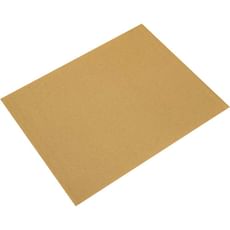
Tooled-Up stocks an extensive selection of Sealey sandpaper formats to suit different application methods and user preferences. Sheet sandpaper remains the most versatile format, typically supplied in standard 230mm x 280mm dimensions that can be cut to size, folded for hand sanding, or fitted to orbital sanders and sanding blocks. These sheets are available across comprehensive grit ranges, allowing users to purchase precisely what's needed for specific projects.
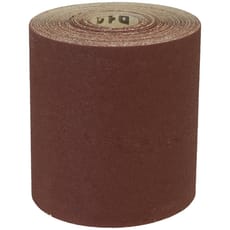
Roll formats offer economical solutions for workshops with high-volume sanding requirements, allowing custom length cutting whilst reducing packaging waste. Sealey's roll sandpaper products are particularly popular with production workshops and professional decorators who require consistent supplies of frequently-used grits.
Pre-cut sandpaper in hook-and-loop (Velcro-style) and adhesive-backed formats provides convenient solutions for powered sanders. These products eliminate cutting and fitting time, ensuring quick pad changes during demanding work sessions. Sealey offers these formats in circular, rectangular, and triangular configurations to match popular sander types including random orbital, detail, and mouse sanders.
Wet and dry sandpaper varieties within the Sealey range are essential for automotive finishing work, allowing water lubrication that reduces dust generation and achieves superior surface finishes on paintwork and gelcoat. These silicon carbide products typically span finer grit ranges (400-2000 grit) suitable for colour sanding and polishing preparation.
Safety and Compliance
Whilst sandpaper itself is a relatively straightforward product, proper usage demands attention to important safety considerations. Dust generated during sanding operations can present significant health hazards, particularly when working with certain woods, painted surfaces containing lead or hazardous pigments, and materials producing fine inhalable particles. Users should always employ appropriate respiratory protection conforming to HSE guidelines, with FFP2 or FFP3 masks recommended for fine dust applications.
When using sandpaper with powered equipment, ensure the abrasive is correctly fitted and secured to prevent detachment during operation. Check that sandpaper grades and backing types are compatible with your sanding equipment's specifications, as inappropriate combinations can cause premature failure or unsafe conditions. Always operate power tools within their intended speed ranges to prevent abrasive breakdown.
Working environments should be adequately ventilated, and dust extraction equipment should be employed wherever possible to minimise airborne particulate levels. The Control of Substances Hazardous to Health (COSHH) regulations apply to many sanding operations, particularly in professional workshop environments where regular exposure occurs. Maintain awareness of material safety data for substrates being sanded, as certain materials release hazardous dusts requiring enhanced protective measures.
Eye protection should always be worn during sanding operations to prevent particulate injury. For prolonged hand sanding sessions, consider using sanding blocks or holders to reduce hand fatigue and improve control. Store sandpaper in dry conditions away from moisture and extreme temperatures to maintain abrasive performance and backing integrity.
Frequently Asked Questions
What grit sandpaper should I start with for bare wood preparation?
For most bare wood applications, begin with 80 or 100 grit to remove mill marks and level the surface, then progress through 120 and 150 grit for smoothing, finishing with 180 or 220 grit before applying finishes. Hardwoods may benefit from finer final grits (240-320) for glass-smooth results. Always sand with the grain direction during final passes to avoid cross-grain scratches.
Can Sealey sandpaper be used with power tools as well as by hand?
Yes, Sealey produces sandpaper suitable for both hand sanding and power tool applications. However, ensure you select appropriate backing types—cloth-backed varieties offer greater durability for powered sanders, whilst paper-backed sheets work well for hand applications. Pre-cut formats with hook-and-loop or adhesive backing are specifically designed for powered sanders and offer convenient quick-change functionality.
What's the difference between aluminium oxide and silicon carbide sandpaper?
Aluminium oxide is the most common abrasive type, offering excellent all-round performance on wood, metal, and general surfaces with good durability and value. Silicon carbide is harder and sharper, making it ideal for wet and dry applications, harder materials like glass and stone, and achieving ultra-fine finishes on paintwork. Silicon carbide typically costs more but delivers superior results on demanding finishing applications.
How should I store Sealey sandpaper to maintain its effectiveness?
Store sandpaper flat in dry conditions away from moisture, which can weaken backing materials and cause premature degradation. Avoid areas with temperature extremes or high humidity. Keep sheets separated or in original packaging to prevent abrasive surfaces rubbing together, which can dull cutting edges. Properly stored sandpaper remains effective indefinitely, though adhesive-backed products may lose tack over extended periods.
Why does my sandpaper clog quickly when sanding softwood or paint?
Clogging occurs when resinous materials, soft paint, or wood fibres fill spaces between abrasive particles. Select open-coat sandpaper variants designed to resist clogging, use appropriate grit sizes (too fine clogs faster), and periodically clean sheets with a stiff brush or sandpaper cleaning stick. When working with particularly problematic materials, consider wet sanding where appropriate, or accept more frequent sheet changes as part of the process.