

Sealey Soldering Tips
 Loading...
End of content
Error - No more pages to load
Sealey Soldering Tips at Tooled-Up.com
Sealey has established itself as a trusted name in professional soldering equipment, and their range of soldering tips exemplifies the quality and precision that tradespeople and electronics enthusiasts have come to expect. Designed to fit Sealey's comprehensive collection of soldering irons and stations, these replacement tips are engineered to deliver consistent heat transfer and exceptional durability across countless soldering applications. Whether you're working on delicate circuit boards, electrical connections, or precision metalwork, Sealey soldering tips provide the reliability needed for professional results.
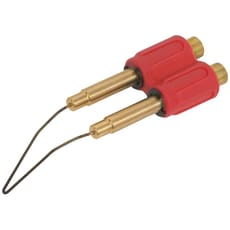
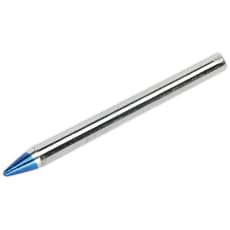
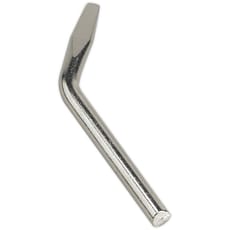
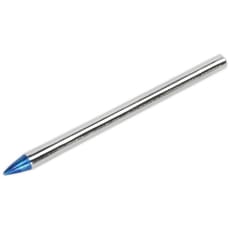
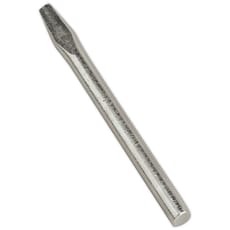
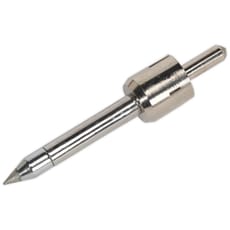
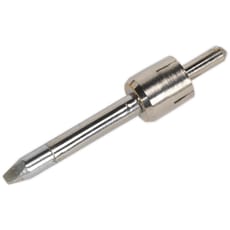
The Sealey soldering tips range available from Tooled-Up.com encompasses various profiles and sizes to suit different soldering tasks. From fine conical points for intricate electronics work to chisel tips for larger joints and hoof tips for drag soldering, Sealey manufactures replacement tips that maintain their shape and effectiveness even under demanding professional use. Each tip is crafted from copper with protective plating to resist oxidation and extend working life, ensuring consistent performance throughout extended soldering sessions.
Tooled-Up stocks genuine Sealey replacement tips designed specifically for compatibility with Sealey's 240v soldering stations and irons. This precision engineering ensures optimal thermal conductivity and secure fitment, eliminating the frustration of loose tips or poor heat transfer that can compromise soldering quality. Whether you're maintaining a workshop full of Sealey soldering equipment or simply need to replace a worn tip on your trusted soldering iron, genuine Sealey components guarantee seamless compatibility and performance.
Why Choose Sealey Soldering Tips?
Sealey's reputation for manufacturing dependable workshop equipment extends to their soldering accessories, with tips engineered to professional specifications at accessible price points. The company's understanding of real-world workshop demands means their soldering tips are built to withstand the rigours of daily professional use whilst maintaining the precision required for quality soldering work. Sealey tips feature superior metallurgy that resists thermal fatigue and oxidation far better than generic alternatives, translating to longer replacement intervals and better value over time.
The quality control standards applied to Sealey soldering tips ensure consistent dimensions and thermal properties across production batches. This consistency is crucial for tradespeople who rely on predictable soldering performance, particularly when working to tight tolerances or quality standards. Furthermore, Sealey's established UK distribution network means replacement tips are readily available when needed, minimising downtime and keeping projects on schedule. The brand's commitment to backwards compatibility also means tips continue to fit older Sealey soldering equipment, protecting your investment in their tools.
Who Uses Sealey Soldering Tips?
Sealey soldering tips serve a diverse range of professionals and skilled enthusiasts, including:
- Electronics engineers and technicians working on circuit board assembly, component replacement, and prototyping
- Automotive electricians repairing wiring looms, sensors, and electronic control units
- Electrical contractors joining cables and creating reliable electrical connections
- Jewellers and metalworkers requiring precision soldering for delicate items
- Maintenance engineers servicing industrial equipment and control panels
- Model makers and hobbyists demanding professional-quality results from home workshops
- Educational workshops teaching soldering techniques to apprentices and students
- Repair technicians servicing household appliances, audio equipment, and consumer electronics
Key Features of Sealey Soldering Tips
Sealey soldering tips incorporate several design features that distinguish them from generic alternatives. The copper core construction ensures rapid heat-up times and excellent thermal conductivity, allowing precise temperature control at the working surface. Protective iron plating on the tip exterior prevents oxidation and copper erosion, significantly extending usable life compared to unplated tips. The plating also provides a surface that solder wets to effectively whilst remaining easy to clean during use.
Each tip profile in the Sealey range is optimised for specific applications, from ultra-fine conical points measuring less than 1mm for SMD work, through to broad chisel tips exceeding 5mm for larger electrical joints. The secure retention systems used across Sealey soldering equipment ensure tips remain firmly locked during use, eliminating the thermal gaps that reduce efficiency and temperature accuracy. Many Sealey tips also feature extended reach designs for accessing recessed components and tight spaces commonly encountered in electronics repair work.
The standardised sizing within Sealey's product range means upgrading or replacing soldering equipment doesn't necessarily require purchasing entirely new tip inventories. This cross-compatibility between different Sealey soldering iron models provides excellent value and flexibility for workshops maintaining multiple soldering stations.
Popular Sealey Soldering Tips
Within the Sealey soldering tips collection, several profiles prove particularly popular for professional applications. Chisel tips remain the most versatile choice, offering sufficient thermal mass for both through-hole component soldering and cable terminations whilst maintaining adequate precision for typical electronics work. Their flat profile also facilitates heat transfer to larger joint areas efficiently.
Conical tips are favoured by electronics specialists working with modern surface-mount components and fine-pitch integrated circuits. The pointed geometry allows precise solder placement without bridging adjacent connections. Bevel tips provide an excellent compromise between precision and thermal capacity, making them ideal for general-purpose electronics assembly and repair work.
For specialist applications, Sealey manufactures hoof-style tips for drag soldering techniques and knife tips for working between closely-spaced connections. Long-reach variants of popular tip profiles extend accessibility when working with deeply recessed components or within confined enclosures.
Safety and Compliance
When using Sealey soldering tips and associated equipment, adherence to UK safety standards is essential. Always ensure soldering irons are used with properly earthed 240v power supplies fitted with appropriate circuit protection. The HSE recommends adequate ventilation when soldering to extract flux fumes, particularly important when working with lead-based solders.
Maintain tips in good condition by regular cleaning and appropriate use of tip tinner compounds. Worn or damaged tips should be replaced promptly as they can create safety hazards through poor heat control and potential tip detachment. Always use tips rated for your soldering iron's maximum temperature to prevent premature failure. Store hot soldering equipment in designated stands with heat-resistant bases, and ensure work areas comply with fire safety regulations.
Personal protective equipment including safety glasses should be worn when soldering, as molten solder can occasionally spatter. Avoid contact between skin and hot tips, which typically operate between 300-400°C. Ensure replacement tips are allowed to cool completely before removal, and use appropriate tools rather than bare hands when changing tips.
Frequently Asked Questions
How often should Sealey soldering tips be replaced?
Replacement frequency depends on usage intensity and maintenance practices. With proper care including regular cleaning and tinning, Sealey soldering tips typically last several months in professional environments. Signs requiring replacement include persistent oxidation that won't clean away, visible pitting or erosion of the tip surface, or difficulty maintaining consistent solder wetting. Hobbyist users may find tips last considerably longer with less frequent use.
Are Sealey soldering tips compatible with other manufacturers' equipment?
Sealey tips are specifically engineered for Sealey soldering irons and stations to ensure optimal thermal transfer and secure fitment. Whilst some dimensional similarities may exist with other brands, using non-genuine tips can result in poor temperature control, loose fitment, and potentially damage to the heating element. For guaranteed compatibility and performance, always use genuine Sealey replacement tips with Sealey soldering equipment.
What tip profile should I choose for electronics repair work?
For general electronics repair, a 2-3mm chisel tip or fine conical tip provides the best versatility. Chisel tips offer good thermal mass for both surface mount and through-hole work, whilst conical tips excel at precision work on densely populated circuit boards. Many professionals maintain several tip profiles to hand, selecting the most appropriate for each specific task encountered during repair work.
How do I properly maintain Sealey soldering tips to maximise their lifespan?
Keep tips tinned with fresh solder when not in active use to prevent oxidation. Clean regularly using a damp sponge or brass wire cleaner rather than abrasive methods that damage the plating. Avoid excessive temperatures—use only the heat necessary for effective soldering. Apply tip tinner compound when oxidation begins to appear, and never use tips without maintaining a coating of solder on the working surface. Proper maintenance can double or triple tip lifespan compared to neglected equipment.
Can Sealey soldering tips be used with lead-free solder?
Yes, Sealey soldering tips are suitable for both traditional lead-based and modern lead-free solders. However, lead-free solders require higher working temperatures (typically 30-50°C higher), which can accelerate tip wear slightly. Ensure your Sealey soldering equipment is capable of reaching appropriate lead-free soldering temperatures (usually 350-400°C), and consider slightly more frequent tip replacement when working exclusively with lead-free materials due to their more aggressive nature.