

Sealey Soldering Wire
 Loading...
End of content
Error - No more pages to load
Sealey Soldering Wire at Tooled-Up.com
Sealey has established itself as a trusted name in the UK tools and equipment market, and their soldering wire range exemplifies the brand's commitment to delivering professional-quality consumables at competitive prices. Whether you're an electronics technician, automotive electrician, or dedicated DIY enthusiast, Sealey soldering wire provides the consistent performance and reliability needed for precision joining work across electrical and electronic applications.
The Sealey soldering wire range encompasses various alloy compositions, core types, and wire diameters to suit different soldering requirements. From traditional lead-based formulations for general purpose work to modern lead-free alternatives that comply with RoHS regulations, Sealey offers solutions for both conventional and contemporary soldering needs. Each product is manufactured to exacting standards, ensuring uniform wire diameter, consistent flux distribution, and clean solder joints that meet the demands of professional tradespeople.
Tooled-Up.com stocks Sealey's comprehensive selection of soldering wires, providing customers with reliable consumables that deliver excellent wetting characteristics, minimal spatter, and strong, durable joints. Whether you're working on delicate printed circuit boards, automotive wiring repairs, or plumbing installations, Sealey's range includes the right specification for your specific application.
Why Choose Sealey Soldering Wire?
Sealey's reputation for value-driven quality makes their soldering wire an intelligent choice for professionals who require dependable consumables without premium pricing. The brand's extensive experience in manufacturing workshop consumables translates into soldering wire that consistently performs across varied applications, from fine electronics work to heavier gauge electrical connections.
Quality control is paramount in Sealey's manufacturing process, with each spool of soldering wire tested to ensure it meets specified alloy compositions and flux percentages. This attention to detail results in predictable melting characteristics, consistent flow properties, and reliable joint formation – critical factors when working to professional standards or tight deadlines.
The flux cores used in Sealey soldering wire are carefully formulated to provide optimal cleaning action and wetting performance whilst minimising residue and corrosion risks. This balance between performance and cleanliness makes Sealey wire suitable for sensitive electronic applications where residual flux could compromise circuit reliability over time.
Who Uses Sealey Soldering Wire?
- Electronics technicians repairing and assembling circuit boards, control panels, and electronic devices
- Automotive electricians working on vehicle wiring harnesses, sensors, and electrical systems
- Electricians and electrical engineers making electrical connections and terminal joints
- Plumbers and heating engineers soldering copper pipework and compression fittings
- Telecoms engineers working with communications cabling and network infrastructure
- Model makers and hobbyists requiring precision soldering for electronic projects
- Maintenance engineers carrying out repairs across industrial and commercial settings
- Audio-visual technicians soldering cables, connectors, and equipment modifications
Key Features of Sealey Soldering Wire
Sealey soldering wire incorporates several features that enhance its performance and usability. The wire is manufactured to consistent diameters, ensuring predictable solder flow and making it easier to control the amount of solder applied to each joint. This uniformity is particularly valuable when working on repetitive tasks or when training apprentices in proper soldering techniques.
The flux core distribution throughout Sealey wire is carefully controlled to provide even cleaning action across the entire joint area. This ensures proper wetting of component leads and pad surfaces, resulting in strong mechanical and electrical connections. The flux formulation also produces minimal smoke during soldering, creating a more pleasant working environment and reducing exposure to potentially irritating fumes.
Sealey offers both lead-based and lead-free soldering wire options, allowing professionals to select the appropriate product for their specific regulatory requirements and application needs. The lead-free variants comply with RoHS and WEEE directives, making them suitable for commercial electronics manufacturing and repair work where environmental regulations apply.
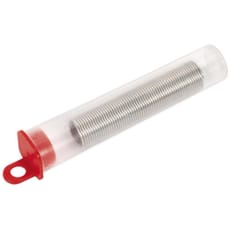
The wire is supplied on convenient spools or in card dispensers, protecting the solder from contamination whilst allowing easy unwinding during use. This packaging approach reduces waste and ensures the wire remains clean and ready for use throughout its service life.
Popular Sealey Soldering Wire
Sealey's soldering wire range typically includes 60/40 tin-lead alloy wire, which offers excellent flow characteristics and a relatively low melting point of approximately 190°C, making it ideal for general electrical and electronic soldering. This traditional formulation remains popular among technicians for its forgiving nature and reliable joint formation.
Lead-free alternatives in the Sealey range often feature SAC (tin-silver-copper) alloys that comply with modern environmental regulations whilst maintaining good mechanical strength and electrical conductivity. These products are essential for anyone working on equipment destined for the European market or requiring RoHS compliance certification.
Various wire diameters are available within the Sealey soldering wire collection, from fine 0.7mm wire for delicate PCB work through to thicker 2mm wire for larger electrical connections and plumbing applications. This variety ensures the Sealey range at Tooled-Up covers everything from precision electronics assembly to heavy-duty electrical terminations.
Safety and Compliance
When using Sealey soldering wire, proper ventilation is essential to minimise inhalation of flux fumes. Work in well-ventilated areas or use fume extraction equipment, particularly during prolonged soldering sessions. Always follow COSHH (Control of Substances Hazardous to Health) guidelines when working with soldering materials in professional environments.
Lead-based soldering wire requires careful handling, with thorough hand washing after use and before eating or drinking. Lead-free alternatives reduce this health concern but still require proper handling procedures and appropriate disposal of waste solder and flux residues.
Ensure your soldering iron or station operates at the correct temperature for the specific solder alloy being used. Excessive temperatures can damage flux cores, produce harmful fumes, and potentially damage heat-sensitive components. Lead-free solders typically require slightly higher temperatures than traditional lead-based alloys.
Store Sealey soldering wire in a clean, dry environment to prevent oxidation and contamination, which can compromise solder joint quality and flux effectiveness.
Frequently Asked Questions
What diameter Sealey soldering wire should I use for electronics work?
For most electronics work involving printed circuit boards and components, 0.7mm to 1.0mm diameter Sealey soldering wire provides optimal control and prevents excess solder application. Thinner wire allows for precision work on fine-pitch components, whilst slightly thicker wire suits general through-hole soldering.
Does Sealey offer lead-free soldering wire options?
Yes, Sealey produces lead-free soldering wire variants that comply with RoHS regulations. These typically use SAC alloy compositions and are suitable for commercial electronics applications where environmental compliance is required. They require slightly higher soldering temperatures than traditional lead-based wire.
Can Sealey soldering wire be used for plumbing applications?
Sealey offers soldering wire suitable for plumbing applications involving copper pipework and fittings. However, ensure you select the appropriate alloy composition and diameter for plumbing work, which typically requires thicker wire than electronics applications. Always verify the solder is suitable for potable water systems if applicable.
How should I store Sealey soldering wire to maintain its quality?
Store Sealey soldering wire in a dry environment away from moisture and contaminants. Keep spools in their original packaging or sealed containers to prevent oxidation of the solder surface, which can impair wetting performance and joint quality. Proper storage significantly extends the usable life of the wire.
What's the difference between flux-cored and solid Sealey soldering wire?
Flux-cored Sealey soldering wire contains flux within the wire itself, eliminating the need for separate flux application in most situations. This is the most common type for electrical and electronics work. Solid wire requires external flux application and is less commonly used except in specific industrial applications where flux type and quantity must be precisely controlled.