

Sealey Tinsnips
 Loading...
End of content
Error - No more pages to load
Sealey Tinsnips at Tooled-Up.com
Sealey has established itself as a trusted name in hand tools across the UK, and their range of tinsnips exemplifies the brand's commitment to delivering professional-grade cutting solutions for sheet metal work. From roofing contractors and HVAC installers to automotive bodywork specialists and sheet metal fabricators, Sealey tinsnips have become a staple on worksites and in workshops throughout Britain. The brand's dedication to manufacturing robust, precision-engineered cutting tools has made their tinsnips a reliable choice for tradespeople who demand accuracy and durability from their hand tools.
Tooled-Up.com stocks a comprehensive selection of Sealey tinsnips designed to tackle various sheet metal cutting applications. Whether you're cutting straight lines through mild steel, navigating tight curves in aluminium, or making intricate cuts in copper sheet, Sealey offers specialised tinsnips engineered for specific cutting patterns and materials. Each tool in the Sealey tinsnips range features hardened cutting blades and ergonomically designed handles that reduce hand fatigue during extended use, making them ideal for both professional tradespeople and serious DIY enthusiasts who require precision cutting performance.
The Sealey tinsnips collection encompasses everything from standard pattern snips for general sheet metal work to specialised aviation snips with colour-coded handles that indicate their cutting direction. This variety ensures that professionals can select the precise tool for their specific application, whether working with thin gauge decorative metals or heavier duty steel sheet up to 1.2mm thickness.
Why Choose Sealey Tinsnips?
Sealey's reputation in the UK tool market has been built on decades of delivering reliable, no-nonsense tools that perform consistently in demanding work environments. Their tinsnips embody this philosophy, featuring drop-forged construction and induction-hardened cutting edges that maintain their sharpness even after thousands of cuts. The brand's understanding of professional requirements means every pair of Sealey tinsnips is designed with real-world application in mind, from the serrated blade design that grips material during cutting to the spring-loaded mechanism that reduces operator effort.
Value for money represents another compelling reason to choose Sealey tinsnips. The brand strikes an excellent balance between professional-grade quality and accessible pricing, making their tools attractive to both established tradespeople who need to equip entire tool kits and those just starting their careers. Sealey's widespread availability of spare parts and the brand's commitment to after-sales support further enhance the long-term value proposition of their tinsnips range.
Quality control standards ensure that each pair of Sealey tinsnips leaving the factory meets stringent performance criteria. The precision-ground cutting edges create clean, burr-free cuts that require minimal finishing work, saving time on every project. This attention to manufacturing detail translates directly into improved productivity on site.
Who Uses Sealey Tinsnips?
- Roofers and cladding specialists cutting flashing, guttering, and sheet roofing materials
- HVAC engineers fabricating and fitting ductwork and ventilation components
- Sheet metal fabricators working with various gauges of steel, aluminium, and copper
- Automotive body repair technicians trimming panels and repair sections
- Electricians and sparkies cutting cable tray, trunking, and metal back boxes
- Plumbers working with copper sheet and metal brackets
- General construction tradespeople requiring versatile metal cutting capability
- Maintenance engineers in manufacturing and industrial facilities
- DIY enthusiasts tackling home improvement and restoration projects
- Sign makers and metal artists creating detailed decorative work
Key Features of Sealey Tinsnips
Sealey tinsnips incorporate several distinctive features that enhance their cutting performance and user comfort. The drop-forged chrome molybdenum steel construction provides exceptional strength and longevity, whilst the precisely machined pivot points ensure smooth, wobble-free operation throughout the tool's lifespan. Induction-hardened cutting edges maintain their sharpness significantly longer than standard blades, reducing the need for frequent replacement or sharpening.
Ergonomic handle design represents a key focus in Sealey's tinsnip engineering. Many models feature cushioned grips with finger contours that distribute cutting pressure evenly across the hand, minimising fatigue during repetitive cutting tasks. The compound leverage action incorporated into aviation-style snips multiplies cutting force, allowing operators to slice through tougher materials with less physical effort. Safety features include rounded handle ends that prevent snagging and carefully designed blade stops that protect fingers from the cutting edges when the tool is closed.
Colour-coding on aviation snips provides instant visual identification: yellow handles for straight cuts, red for left-cutting curves, and green for right-cutting curves. This industry-standard system allows tradespeople to grab the correct tool quickly from their bag without hesitation. Serrated lower blades grip material during cutting, preventing slippage that could result in jagged edges or inaccurate cuts.
Popular Sealey Tinsnips
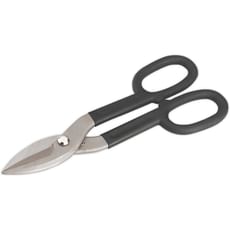
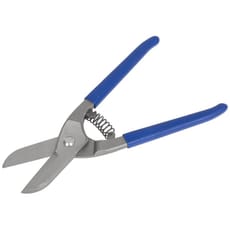
The Sealey range at Tooled-Up includes several popular tinsnip configurations suited to different applications. Straight-cut tinsnips form the foundation of any sheet metal toolkit, offering versatile performance for general cutting tasks and straight-line work across various materials. These traditional pattern snips remain essential for roofers, plumbers, and fabricators who primarily work with straight cuts.
Aviation snips represent the professional's choice for precision work, with their compound leverage action and specialised cutting patterns. The left-cut and right-cut variants excel at navigating tight curves and circular cuts, whilst the straight-cut aviation snip delivers superior cutting force for thicker materials. These tools are particularly valued by HVAC engineers and automotive technicians who regularly work with curved profiles.
Universal pattern snips offer multi-directional cutting capability in a single tool, making them ideal for contractors who need to minimise the number of tools in their kit. Offset tinsnips feature angled blades that keep hands clear of the workpiece, proving invaluable when cutting installed sheet material or working in confined spaces where standard snips would be impractical.
Safety and Compliance
Whilst tinsnips are manually operated hand tools without electrical safety considerations, proper usage remains essential for preventing workplace injuries. Sharp cutting edges require careful handling, and Sealey recommends storing tinsnips with blade guards or in dedicated tool roll sections to prevent accidental cuts. When cutting sheet metal, always wear appropriate personal protective equipment including safety glasses to protect against flying metal particles, and robust work gloves that guard against sharp edges whilst maintaining dexterity.
Cut edges of sheet metal can be extremely sharp and create serious lacerations. Use appropriate filing or deburring tools to smooth freshly cut edges before handling. When working overhead or on roofing applications, secure all tools to prevent them falling and causing injury to those below. The HSE recommends regular inspection of cutting tools to ensure they remain in safe working condition, with damaged or excessively worn tools removed from service immediately.
Sealey tinsnips should only be used for their intended purpose of cutting sheet metal within their specified thickness range. Using tinsnips to cut materials harder than their rating or attempting to cut wires and rods can damage the cutting edges and potentially cause the tool to slip, resulting in injury. Always position the material securely before cutting, and maintain proper hand positioning with fingers clear of the blade path.
Frequently Asked Questions
What thickness of metal can Sealey tinsnips cut?
Most Sealey tinsnips are designed to cut mild steel up to approximately 1.2mm thickness, though this varies by model. They can typically handle softer metals like aluminium and copper in slightly heavier gauges. Aviation snips with compound leverage can often manage slightly thicker materials than standard pattern snips. Always check the specific capacity rating for your particular model, and remember that attempting to cut material beyond the rated thickness will damage the cutting edges and potentially void any warranty.
How do I maintain my Sealey tinsnips?
Regular maintenance extends the life of Sealey tinsnips significantly. After each use, wipe the blades clean of metal particles and debris, then apply a light coating of oil to prevent corrosion. Periodically apply a drop of lubricating oil to the pivot point to ensure smooth operation. If cutting edges become dull, they can be sharpened using a fine file or sharpening stone, maintaining the original bevel angle. Check the pivot bolt periodically and tighten if the blades develop excessive play, but avoid over-tightening which can impede smooth operation.
What's the difference between standard tinsnips and aviation snips?
Standard pattern tinsnips feature a simple pivot design and are best suited for straight cuts and gentle curves in lighter gauge materials. Aviation snips incorporate a compound leverage mechanism that multiplies cutting force, making them more effective for thicker materials and sustained cutting work. Aviation snips also come in three distinct cutting patterns (straight, left-cut, and right-cut) with colour-coded handles, whilst standard tinsnips are primarily designed for straight cutting. Aviation snips typically cause less hand fatigue during extended use due to their mechanical advantage.
Can I use Sealey tinsnips to cut stainless steel?
Whilst Sealey tinsnips can cut thin gauge stainless steel (typically up to 0.7mm), stainless is considerably harder than mild steel and will cause more rapid wear to the cutting edges. For regular stainless steel cutting work, specialised stainless steel snips with reinforced blades represent a better long-term investment. If you do use standard tinsnips for occasional stainless steel cuts, ensure the material is within the lower end of the thickness range and expect to sharpen or replace the blades more frequently than when cutting mild steel.
Why do my tinsnips leave a burr on the cut edge?
Burring typically indicates that the cutting edges have become dull or misaligned. Sharpen the blades using a fine file, maintaining the original bevel angle, and ensure the pivot isn't loose causing the blades to flex apart during cutting. Burring can also result from cutting material that's too thick for the snips' capacity. Additionally, ensure you're using the full length of the cutting blades rather than just the tip, and maintain steady, firm pressure throughout the cutting stroke. Properly maintained Sealey tinsnips with sharp, correctly aligned blades should produce clean, relatively burr-free cuts in appropriate materials.