

Stanley Cable, Pipe & Stud Detectors
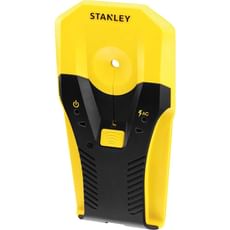
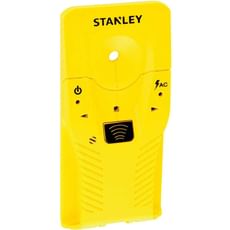
 Loading...
End of content
Error - No more pages to load
Stanley Cable, Pipe & Stud Detectors at Tooled-Up.com
Stanley has built a formidable reputation in the detection equipment market, combining over a century of tool-making expertise with cutting-edge sensor technology. The Stanley range of cable, pipe and stud detectors represents a perfect blend of reliability, precision and user-friendly design that professionals and serious DIY enthusiasts have come to expect from this iconic brand. These detection tools are engineered to help tradespeople work safely and efficiently, identifying hidden hazards and structural elements behind walls, floors and ceilings before drilling or cutting.
From basic stud finders to advanced multi-material detectors capable of identifying live 240v cables, metal pipes and timber joists, Stanley's detection equipment caters to various skill levels and project requirements. Each detector in the range is designed with Stanley's characteristic attention to durability and practical functionality, ensuring these essential safety tools can withstand the rigours of professional site work whilst maintaining consistent accuracy. Whether you're a qualified electrician needing to trace cables, a plumber avoiding existing pipework, or a carpenter locating studs for secure fixing, the Stanley detection range available from Tooled-Up.com provides the precision and confidence required for safe working practices.
Why Choose Stanley Cable, Pipe & Stud Detectors?
Stanley's heritage in the construction and trades sector gives them an unparalleled understanding of what professionals need from detection equipment. Their cable, pipe and stud detectors are built to professional specifications, featuring robust housings that protect sensitive electronics from the knocks and drops inevitable on busy work sites. The brand's commitment to accuracy means their detectors utilise reliable sensor technology that minimises false readings—a critical factor when drilling into walls could mean the difference between a successful installation and a dangerous encounter with live cables or water pipes.
One of Stanley's key advantages is their focus on intuitive operation. Many detection tools on the market can be confusing to operate, but Stanley designs their devices with clear visual and audible indicators that make interpretation straightforward even for less experienced users. This accessibility doesn't come at the expense of performance; Stanley detectors offer impressive detection depths and can differentiate between various materials including timber studs, metal pipes, live and dead electrical cables, and plastic conduit. The brand also maintains competitive pricing, making professional-grade detection equipment accessible to trade professionals and DIY users alike without compromising on the quality and reliability that Stanley is renowned for.
Who Uses Stanley Cable, Pipe & Stud Detectors?
Stanley cable, pipe and stud detectors are trusted by a diverse range of trades and users, including:
- Electricians and electrical contractors who need to locate existing cables before drilling and verify their work complies with BS 7671 wiring regulations
- Plumbers and heating engineers tracing pipework routes and avoiding damage to existing installations during renovations
- Carpenters and joiners finding stud positions for secure wall fixings and understanding wall construction
- General builders and construction professionals working on renovation projects where wall contents are unknown
- Kitchen and bathroom fitters ensuring safe drilling locations for units, fixtures and tiling
- Dry liners and plasterers locating framework behind plasterboard installations
- Handyman services requiring reliable detection across various residential and light commercial jobs
- DIY enthusiasts undertaking home improvement projects where safety is paramount
- Property maintenance teams working across multiple sites and properties with varying construction methods
Key Features of Stanley Cable, Pipe & Stud Detectors
Stanley cable, pipe and stud detectors incorporate several distinctive features that enhance their practicality and performance. Multi-mode scanning capabilities allow users to switch between detection types—wood studs, metal objects, and live electrical cables—ensuring the right sensor is active for the material being sought. Auto-calibration technology simplifies operation by automatically adjusting sensitivity based on wall density and composition, reducing setup time and improving accuracy.
Visual and audible alert systems provide clear feedback when objects are detected, with progressive indicators showing proximity as the detector approaches the target. Many Stanley models feature edge-finding capabilities that precisely mark stud edges rather than just centres, crucial for accurate fixing placement. Ergonomic designs with non-slip grips ensure comfortable handling during extended use, whilst compact dimensions allow easy storage in tool bags and belts. LCD displays on advanced models provide detailed information about detection depth and material type, and some detectors include integrated spirit levels and measurement marking systems for added versatility on site.
Popular Stanley Cable, Pipe & Stud Detectors
The Stanley detection range typically includes several product tiers to suit different requirements and budgets. Entry-level stud detectors offer straightforward wood and metal detection ideal for basic DIY applications and simple wall-fixing tasks. Mid-range multi-material detectors add live cable detection capability, essential for professional tradespeople who must comply with safety regulations when drilling. Advanced models in the range feature deep-scan technology for detecting objects through thicker wall constructions, auto-calibration for consistently accurate readings, and multiple sensing modes that can differentiate between various materials including non-ferrous metals and plastic pipes.
Professional-grade Stanley detectors often incorporate additional features such as adjustable sensitivity settings, detection depth indicators, and enhanced cable detection that can identify both live 240v mains cables and low-voltage wiring. Some models include integrated laser levels and measurement functions, transforming the detector into a versatile marking and planning tool. The range at Tooled-Up typically covers detection depths from 19mm for basic studs to 75mm or more for deep-scan models, ensuring there's a suitable option whether you're working with standard plasterboard partitions or solid masonry walls.
Safety and Compliance
Using cable, pipe and stud detectors is a fundamental safety requirement for compliance with UK construction and electrical safety regulations. The Health and Safety Executive (HSE) emphasises the importance of checking for hidden services before drilling, cutting or fixing into walls, floors and ceilings. Stanley detectors help tradespeople meet their duty of care obligations and avoid potentially fatal accidents involving live electrical cables or creating flooding from damaged pipes.
When using Stanley detection equipment, always scan the entire work area thoroughly before commencing work, including above and below the intended drilling location as cables and pipes may run vertically or diagonally. Be aware that very deep objects, shielded cables, or materials behind metal mesh or foil-backed insulation may not be detected reliably. For electrical work, always isolate circuits at the consumer unit and verify isolation with a voltage tester before drilling near suspected cable routes. Stanley detectors should be considered an essential safety tool rather than a guarantee—when in doubt about wall contents, especially in older properties with unknown service routes, consider alternative methods or seek specialist advice before proceeding.
Frequently Asked Questions
Can Stanley cable detectors find both live and dead cables?
Most Stanley cable detectors are designed to detect live 240v electrical cables through the electromagnetic field they produce. Dead cables (those not carrying current) are typically detected in metal-sensing mode, as the detector identifies the copper conductor or metal conduit. For comprehensive safety, always scan in both cable and metal modes to identify all potential electrical installations before drilling.
What depth can Stanley stud detectors scan to?
Stanley stud detectors vary in scanning depth depending on the model. Basic models typically detect studs and cables to depths of 19-38mm, suitable for standard plasterboard walls. More advanced Stanley detectors offer deep-scan modes reaching 50-75mm or more, enabling detection through thicker wall constructions, multiple layers of plasterboard, or beneath tiles and plaster finishes.
Will Stanley detectors work on all wall types?
Stanley cable, pipe and stud detectors work effectively on most common wall constructions including plasterboard partitions, brick, block and plastered walls. Performance may be reduced on very thick solid walls, lath and plaster with metal mesh, walls with foil-backed insulation, or freshly plastered surfaces with high moisture content. Always scan test areas where wall construction is known to verify detector operation before relying on readings in unknown areas.
How do I know if my Stanley detector needs recalibrating?
Many Stanley detectors feature automatic calibration that occurs when you first place the device against the wall surface. If you experience inconsistent readings, frequent false positives, or the detector continuously indicates detection across the entire wall surface, try recalibrating by lifting the device away from the wall and repositioning it on a known clear area. Ensure the wall surface is dry and clean, as moisture and dust can affect sensor accuracy. Replace batteries if performance remains poor, as low battery voltage commonly causes detection issues.
Are Stanley cable detectors suitable for commercial construction projects?
Stanley cable, pipe and stud detectors are suitable for many commercial applications, particularly light commercial work, fit-outs and maintenance tasks. For large-scale commercial or industrial projects with complex services, multiple cable runs, or specialist installations, consider whether the detection depth and capabilities meet project requirements. Professional electricians and contractors on major commercial sites may require more specialised detection equipment alongside Stanley detectors, particularly for tracing specific circuits or detecting services at greater depths in substantial wall constructions.