

Stanley Damp Meters
 Loading...
End of content
Error - No more pages to load
Stanley Damp Meters at Tooled-Up.com
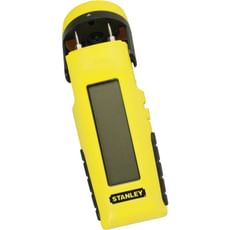
Stanley, a name synonymous with quality and reliability in the professional tool industry for over 175 years, brings its legendary engineering expertise to the critical field of moisture detection. When building professionals and property surveyors need accurate, dependable readings to diagnose dampness issues, Stanley damp meters deliver the precision and durability that have made the brand a trusted choice across countless British building sites and renovation projects.
The Stanley approach to damp detection combines intuitive design with robust construction, ensuring these essential diagnostic tools can withstand the rigours of daily professional use. Whether assessing water ingress in residential properties, checking timber moisture content before installation, or conducting detailed building surveys, Stanley damp meters provide tradespeople with the confidence that comes from accurate, repeatable measurements. Tooled-Up.com stocks Stanley's carefully engineered moisture detection solutions, designed to meet the exacting standards of UK construction professionals.
From compact pin-type meters for quick spot checks to more sophisticated models offering multiple measurement modes, Stanley has developed damp meters that balance functionality with the straightforward, no-nonsense operation that busy tradespeople demand. These instruments represent Stanley's commitment to providing practical solutions that enhance work quality and efficiency on every job.
Why Choose Stanley Damp Meters?
Stanley's reputation for manufacturing tools that combine durability with practical functionality extends seamlessly into their moisture detection equipment. Built to the same exacting standards as the company's legendary hand tools and measurement devices, Stanley damp meters feature robust housings designed to survive the inevitable knocks and drops encountered during site work and property surveys.
The brand's focus on user-centred design ensures that Stanley damp meters deliver clear, easily interpretable readings without unnecessary complexity. This straightforward approach means tradespeople can quickly assess moisture levels and make informed decisions without wading through complicated menu systems or struggling with unclear displays. Stanley understands that on-site efficiency matters, and their moisture meters reflect this practical philosophy.
Accuracy remains paramount in moisture detection, and Stanley applies rigorous quality control to ensure their damp meters provide reliable readings across various materials including timber, plaster, brick, and concrete. This consistency builds trust among professional users who rely on accurate moisture data to diagnose problems, specify remedial works, and verify that drying processes have been successful before proceeding with subsequent building phases.
Who Uses Stanley Damp Meters?
- Building Surveyors: Professional surveyors conducting property inspections and preparing detailed condition reports
- Damp Specialists: Technicians diagnosing and treating rising damp, penetrating damp, and condensation issues
- Plasterers: Tradespeople checking substrate moisture levels before applying new plaster or finishes
- Carpenters and Joiners: Professionals verifying timber moisture content before installation or identifying water-damaged woodwork
- Property Maintenance Teams: Facilities managers and maintenance personnel investigating potential moisture problems
- Restoration Contractors: Specialists monitoring drying progress after flood damage or leak repairs
- Floor Fitters: Installers checking screed and substrate moisture before laying flooring materials
- DIY Enthusiasts: Homeowners investigating suspected damp issues or monitoring renovation projects
Key Features of Stanley Damp Meters
Stanley damp meters incorporate several design features that enhance their practicality for professional moisture detection work. Pin-type electrode designs enable users to obtain readings at specific depths within materials, providing valuable information about moisture distribution through wall thicknesses and timber sections. This penetrative approach offers precise localised measurements essential for accurate diagnostics.
Clear LCD displays present moisture readings in formats easily understood by both experienced professionals and occasional users. Many Stanley models feature visual indicators or colour-coded scales that instantly communicate whether moisture levels fall within acceptable ranges or indicate potential problems requiring further investigation or remedial action.
Ergonomic housing designs ensure comfortable handling during extended survey work, whilst durable construction protects sensitive electronic components from the inevitable rigours of site use. Compact dimensions mean Stanley damp meters slip easily into tool bags or survey kits, ensuring they're always available when moisture concerns arise during inspections or construction work.
Battery operation provides the portability essential for site-based moisture detection, eliminating the constraints of mains power and enabling measurements in any location from basement spaces to roof voids. Long battery life ensures these tools remain reliable throughout demanding survey schedules or multi-property inspection programmes.
Popular Stanley Damp Meters
Stanley's damp meter range typically includes pin-type moisture meters optimised for timber and building material assessment, offering the versatility required across various professional applications. Entry-level models provide essential moisture detection functionality for tradespeople requiring straightforward yes-no answers about material readiness or potential damp problems.
Mid-range Stanley moisture meters often incorporate additional features such as hold functions for recording readings in awkward locations, automatic shut-off to preserve battery life, and expanded measurement ranges covering everything from kiln-dried timber to saturated masonry. These enhanced models suit professionals conducting more detailed diagnostic work or managing multiple ongoing projects where comprehensive moisture monitoring proves essential.
The collection available from Tooled-Up encompasses Stanley's most practical moisture detection solutions, selected to meet the diverse requirements of UK construction professionals, property surveyors, and serious DIY practitioners tackling renovation and restoration projects where moisture management proves critical to successful outcomes.
Safety and Compliance
When using Stanley damp meters, operators should exercise appropriate caution when testing materials in proximity to electrical installations. Whilst these battery-powered instruments pose minimal direct safety risks, the moisture conditions they detect often indicate environments where electrical hazards may be present. Always isolate electrical circuits before conducting moisture surveys on walls, ceilings, or floors containing wiring or electrical fixtures.
Pin electrodes should be kept clean and sharp to ensure accurate readings and prevent damage to decorative surfaces. Replace worn or damaged pins promptly to maintain measurement accuracy and avoid creating unnecessarily large puncture marks in tested materials. When surveying occupied properties, inform residents before conducting invasive pin-type moisture testing to avoid causing alarm or damaging valued decorative finishes.
Stanley damp meters should be calibrated or checked against known standards periodically to ensure continued accuracy, particularly when used frequently for professional survey work where measurement precision directly impacts diagnoses and recommendations. Store instruments in protective cases away from extreme temperatures and humidity to preserve their operational reliability and extend their working life.
Frequently Asked Questions
Can Stanley damp meters detect moisture in all building materials?
Stanley pin-type damp meters work effectively on porous materials including timber, plaster, brick, and concrete. They measure electrical resistance, which changes with moisture content in these materials. However, they're less effective on non-porous surfaces like tiles, metal, or plastic sheeting. For comprehensive moisture surveys, they're best suited to traditional building materials commonly found in UK construction.
How accurate are Stanley damp meters compared to professional laboratory testing?
Stanley damp meters provide reliable comparative readings suitable for field diagnostics and on-site decision-making. Whilst not matching laboratory gravimetric analysis precision, they deliver sufficient accuracy for identifying problem areas, monitoring drying progress, and determining whether materials meet acceptable moisture levels for construction purposes. For critical assessments or legal disputes, professional laboratory testing may be advisable as confirmation.
Do I need to calibrate my Stanley damp meter regularly?
Stanley damp meters are calibrated during manufacture and typically maintain accuracy throughout their working life under normal use conditions. However, it's prudent to occasionally verify readings against known reference materials or have instruments checked professionally if accuracy concerns arise. Regular inspection of electrode pins for damage or corrosion helps maintain consistent performance.
What moisture reading indicates a damp problem requiring treatment?
Generally, timber readings above 20% moisture content suggest conditions requiring investigation, whilst readings above 28-30% indicate significant moisture problems needing remedial action. For masonry and plaster, interpretations vary by material type and testing depth. Most Stanley meters include reference guides indicating acceptable moisture ranges for common building materials encountered in UK construction and survey work.
Can Stanley damp meters identify the source or type of dampness?
Damp meters detect moisture presence but don't directly identify whether problems stem from rising damp, penetrating damp, condensation, or leaks. However, the pattern and distribution of readings, combined with visual inspection and professional experience, helps surveyors diagnose moisture sources. Stanley meters provide the essential data foundation upon which experienced professionals build comprehensive dampness diagnoses and treatment specifications.