

Stanley Bench Stones
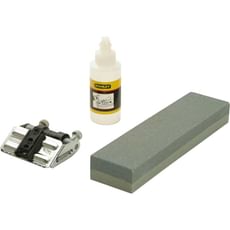
 Loading...
End of content
Error - No more pages to load
Stanley Bench Stones at Tooled-Up.com
Stanley has been a trusted name in hand tools and workshop equipment for over 175 years, and their bench stones continue this legacy of quality and reliability. Designed for sharpening chisels, plane irons, knives, and other edged tools, Stanley bench stones deliver the precision edge that professional tradespeople and dedicated woodworkers demand. Whether you're maintaining carpentry tools on site or perfecting hand planes in your workshop, Stanley's commitment to durability and consistent performance makes their sharpening stones an essential addition to any toolbox.
The Stanley bench stones available from Tooled-Up combine traditional sharpening methods with modern manufacturing standards to ensure uniform grit distribution and long-lasting cutting surfaces. These stones are engineered to remove material efficiently whilst maintaining the correct bevel angles, making them ideal for both quick touch-ups and complete tool rehabilitation. From coarse grits for repairing damaged edges to fine grits for achieving razor-sharp finishes, Stanley provides the complete sharpening solution.
Tooled-Up.com stocks Stanley bench stones that cater to various sharpening needs, from combination stones offering dual-grit versatility to dedicated single-grit options for specialist applications. Each stone is manufactured to Stanley's exacting standards, ensuring consistent results and dependable performance across thousands of sharpening sessions.
Why Choose Stanley Bench Stones?
Stanley's reputation for producing reliable, professional-grade tools extends fully to their bench stone range. The brand's bench stones are manufactured using carefully selected abrasive materials that maintain their cutting ability far longer than inferior alternatives, reducing the need for frequent replacements and delivering better value over time. Stanley understands that a properly sharpened tool is safer, more efficient, and produces superior results, which is why their stones are engineered for consistent, predictable performance.
The key advantage of choosing Stanley bench stones lies in their rigorous quality control and manufacturing consistency. Unlike generic sharpening stones that may contain uneven grit distribution or soft spots that wear prematurely, Stanley stones deliver uniform sharpening action across the entire surface. This consistency is particularly important for professionals who rely on their tools daily and cannot afford the frustration of unpredictable sharpening results. Additionally, Stanley's heritage in the hand tool industry means their bench stones are designed with practical workshop use in mind, featuring dimensions and formats that suit real-world sharpening tasks.
Who Uses Stanley Bench Stones?
Stanley bench stones are the sharpening solution of choice for a diverse range of users, including:
- Carpenters and joiners who need to maintain chisels and hand planes for precision woodworking
- Cabinet makers requiring razor-sharp edges for fine furniture work
- Site carpenters needing reliable sharpening for general carpentry tools
- Wood turners maintaining specialist turning tools and scrapers
- DIY enthusiasts looking for professional-quality sharpening at accessible prices
- Tool collectors and restorers rehabilitating vintage hand tools
- General tradespeople keeping utility knives and marking tools sharp
- Garden maintenance professionals sharpening secateurs, shears, and cutting tools
Key Features of Stanley Bench Stones
Stanley bench stones incorporate several important features that distinguish them from basic sharpening stones. The abrasive composition is carefully formulated to provide efficient cutting action without excessive wear, ensuring the stone maintains its flat working surface throughout its service life. This is crucial for achieving accurate bevels and consistent edge geometry across multiple sharpenings.
Many Stanley bench stones feature combination grit configurations, allowing users to progress from coarse to fine sharpening without changing stones. This dual-grit design maximises workshop efficiency and reduces the storage space required for multiple individual stones. The stones are dimensioned to provide adequate working surface area whilst remaining manageable for bench-top use, and many models include non-slip bases or mounting options to ensure stability during use.
The grit progression in Stanley's range is carefully selected to suit common sharpening workflows, from initial edge repair through to final honing. The stones are designed to work effectively with both water and honing oil as lubricants, giving users flexibility in their sharpening technique. Stanley's quality standards ensure minimal loading or clogging during use, maintaining cutting efficiency throughout extended sharpening sessions.
Popular Stanley Bench Stones
Amongst the Stanley bench stone range, combination stones featuring both coarse and fine grits prove particularly popular with tradespeople and woodworkers who value versatility. These dual-sided stones typically offer a medium grit for general sharpening and reshaping, paired with a fine grit for final honing and polishing. This combination covers the majority of workshop sharpening tasks without requiring multiple stone changes.
Single-grit Stanley stones remain favourites for users with specific sharpening requirements, such as fine finishing stones for achieving mirror-polished edges on woodworking tools, or coarse stones dedicated to rapid material removal when repairing damaged or badly worn edges. The range also includes pocket-sized stones ideal for site work and portable tool maintenance, ensuring Stanley's sharpening solutions suit every working environment.
Safety and Compliance
Whilst bench stones themselves don't require electrical certification, proper use involves important safety considerations. Always secure the stone firmly before use to prevent movement that could cause injury or damage to the tool being sharpened. Maintain consistent angles and use appropriate pressure to avoid tool slippage. When sharpening, direct cutting strokes away from your body and keep fingers clear of the blade edge.
Wear appropriate eye protection when sharpening, particularly during initial coarse grinding which may produce small particles. Ensure adequate workspace lighting to monitor sharpening progress accurately. Store stones in a clean, dry location when not in use, and keep them flat by occasional lapping if necessary. Always follow HSE guidelines for manual handling and workshop safety when using sharpening equipment.
Frequently Asked Questions
Should I use oil or water with Stanley bench stones?
Most Stanley bench stones work effectively with either water or honing oil as a lubricant. The choice depends on personal preference and workshop conditions. Oil provides slightly better rust protection for the tools being sharpened, whilst water offers easier cleanup and is more environmentally friendly. Always use some form of lubrication to prevent loading and extend stone life.
How do I flatten a Stanley bench stone that's become uneven?
Stanley bench stones can be flattened using a lapping plate or by rubbing on wet/dry abrasive paper placed on a known-flat surface such as a piece of glass or granite. Regular flattening maintains sharpening accuracy and prevents the formation of hollow bevels. Check flatness periodically using a straightedge.
What grit Stanley bench stone should I start with for general tool sharpening?
For general workshop use, a combination stone offering medium grit (around 200-400) and fine grit (800-1000) provides excellent versatility. This allows you to repair minor edge damage and perform routine sharpening with a single stone. For severely damaged tools, a dedicated coarse stone (below 200 grit) speeds initial grinding considerably.
How long will a Stanley bench stone last?
With proper care and regular flattening, a quality Stanley bench stone will provide many years of reliable service. The lifespan depends on frequency of use and the materials being sharpened, but professional tradespeople commonly use the same stones for a decade or more. Proper lubrication and avoiding excessive pressure extend stone life significantly.
Can Stanley bench stones sharpen modern carbide-tipped tools?
Standard bench stones are designed primarily for high-carbon and tool steel edges such as chisels, plane irons, and traditional hand tools. For carbide-tipped tools, diamond sharpening systems are more appropriate as conventional stones wear too quickly against carbide's extreme hardness. Reserve your Stanley bench stones for conventional steel tooling for best results.