

Stanley Footwear
 Loading...
End of content
Error - No more pages to load
Stanley Footwear at Tooled-Up.com
Stanley has built a legendary reputation spanning over 180 years as a trusted name in professional tools and equipment, and their commitment to quality, durability and innovation extends seamlessly into their range of safety footwear. The Stanley Footwear collection at Tooled-Up.com represents the same engineering excellence and user-focused design that has made the brand synonymous with reliability across the construction and trades industries. From safety boots designed for heavy-duty construction work to lightweight safety trainers for warehouse environments, Stanley delivers protective footwear that doesn't compromise on comfort or performance.
Understanding that tradespeople and site workers spend long hours on their feet in demanding conditions, Stanley has developed footwear that combines robust protection with ergonomic design principles. Each pair incorporates essential safety features including steel or composite toecaps, puncture-resistant midsoles, and slip-resistant outsoles, whilst maintaining the flexibility and breathability needed for all-day wear. The Stanley range bridges the gap between industrial-grade protection and modern athletic comfort, making them an increasingly popular choice for professionals who refuse to choose between safety and wearability.
Whether you're working on construction sites, in manufacturing facilities, warehouses, or general maintenance environments, the Stanley Footwear selection provides certified protection that meets rigorous UK and European safety standards. These boots and shoes are engineered to withstand the harsh realities of daily professional use whilst keeping feet protected, supported and comfortable throughout extended shifts.
Why Choose Stanley Footwear?
Stanley's approach to safety footwear is grounded in the same philosophy that has made their hand tools and storage solutions industry standards: build products that work harder and last longer. When you invest in Stanley safety boots or shoes, you're choosing footwear backed by nearly two centuries of manufacturing expertise and a deep understanding of what working professionals need from their equipment. The brand's reputation for durability means these boots are designed to withstand the rigours of daily site work, resisting wear, abrasion and the elements far longer than budget alternatives.
Value represents another compelling reason to choose Stanley Footwear. Whilst offering professional-grade protection and build quality, Stanley positions their footwear at accessible price points that don't strain the budgets of self-employed tradespeople or small businesses. This combination of quality, durability and affordability creates exceptional cost-per-wear value, making Stanley an intelligent choice for those who depend on their safety footwear day in and day out.
Innovation in comfort technology sets Stanley apart in the crowded safety footwear market. Many safety boots are notorious for being heavy, stiff and uncomfortable, but Stanley has invested in modern materials and design approaches that deliver a more trainer-like feel without sacrificing protection. Features such as moisture-wicking linings, cushioned insoles, padded collars and flexible outsoles mean you can maintain productivity and focus throughout your working day rather than being distracted by sore, tired feet.
Who Uses Stanley Footwear?
Stanley safety footwear serves a broad spectrum of trades and industries where foot protection is essential:
- Construction Workers: Bricklayers, labourers, groundworkers and site managers requiring robust protection against falling objects, sharp materials and uneven terrain
- Engineers and Mechanics: Professionals in automotive, aerospace and industrial maintenance who need oil-resistant, durable footwear
- Electricians: Sparkies seeking protective footwear with electrical hazard protection for work around live circuits
- Carpenters and Joiners: Chippies who spend hours on their feet and need protection from dropped tools, nails and wood splinters
- Plumbers and Heating Engineers: Tradespeople working in varied environments from tight spaces to outdoor sites
- Warehouse and Logistics Staff: Workers in distribution centres, loading bays and storage facilities
- Manufacturing Operatives: Factory floor workers in production and assembly environments
- Facilities Maintenance Teams: Multi-skilled technicians performing diverse maintenance and repair tasks
- Landscapers and Groundskeepers: Outdoor workers requiring weatherproof, slip-resistant footwear
- DIY Enthusiasts: Serious home improvers undertaking substantial renovation or building projects
Key Features of Stanley Footwear
Stanley safety footwear incorporates numerous protective and comfort-enhancing features that distinguish them from basic safety boots:
Safety Protection: Steel or composite toecaps provide impact resistance up to 200 joules, protecting against dropped tools, materials and equipment. Penetration-resistant midsoles guard against sharp objects like nails, screws and metal shards that could puncture through standard soles. Many models achieve S1P, S3 or even higher safety ratings under EN ISO 20345 standards.
Slip-Resistant Outsoles: Deep tread patterns manufactured from specialised rubber compounds deliver reliable grip on wet, oily, muddy and uneven surfaces. This SRC-rated slip resistance is crucial for preventing workplace accidents on construction sites and industrial environments.
Comfort Technology: Cushioned footbeds with arch support reduce fatigue during long working days, whilst padded tongues and collars prevent rubbing and pressure points. Moisture-wicking mesh linings help regulate temperature and keep feet dry, reducing the risk of blisters and fungal infections.
Durability Construction: Reinforced stitching, abrasion-resistant materials and protective toe and heel overlays ensure Stanley boots withstand harsh treatment. Water-resistant or waterproof leather uppers on many models provide protection against the elements whilst remaining breathable.
Lightweight Design: Despite their robust construction, Stanley has focused on reducing unnecessary weight, creating boots that won't exhaust your legs by mid-afternoon. Composite toecaps in particular models offer equivalent protection to steel but with significantly less weight.
Popular Stanley Footwear
The Stanley Footwear range encompasses several distinct styles to suit different working environments and preferences:
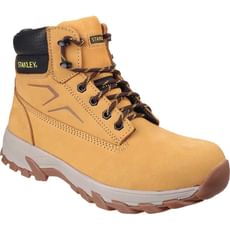
Safety Boots: Traditional ankle-height and mid-calf safety boots provide comprehensive protection and support for heavy construction work, outdoor environments and demanding industrial applications. These typically feature full-grain leather construction, padded collars and aggressive tread patterns for maximum grip and durability.
Safety Trainers: Lightweight, athletic-styled safety shoes offer an alternative for those working in less extreme conditions or who prefer a more casual appearance. These combine safety toecaps and protective midsoles with trainer-like flexibility and breathability, ideal for warehouse work, light construction and facilities maintenance.
Rigger Boots: Easy pull-on rigger-style boots deliver quick on-off convenience for workers who frequently move between vehicles and sites. The simple design without laces reduces trip hazards and speeds up your morning routine.
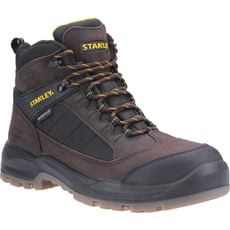
Waterproof Models: Specialist waterproof safety boots featuring sealed construction or waterproof membranes keep feet dry in wet weather, groundworks, utilities and outdoor trades where puddles, mud and rain are occupational hazards.
Safety and Compliance
Stanley safety footwear is manufactured to meet or exceed relevant UK and European safety standards, primarily EN ISO 20345, which specifies requirements for safety footwear used in professional environments. Different models achieve various classifications within this standard:
S1P Rating: Indicates footwear with a protective toecap, closed heel region, antistatic properties, energy absorption in the heel, and penetration-resistant midsole. Suitable for dry environments with some puncture risks.
S3 Rating: Adds water-resistant uppers and cleated outsoles to the S1P features, making these boots appropriate for outdoor work, construction sites and wet conditions.
When selecting Stanley safety footwear, consider your specific workplace hazards as identified in risk assessments. The Health and Safety Executive (HSE) provides guidance on appropriate protective footwear selection based on your industry and working conditions. Proper fit is equally important—boots that are too loose or too tight compromise both safety and comfort. Always try footwear with the socks you'll wear at work, and ensure there's adequate room for your toes whilst the heel remains secure.
Regular inspection and maintenance extend the life of your Stanley boots. Check regularly for worn soles, damaged toecaps, separated stitching or degraded materials, and replace footwear when protective features are compromised. Even the most durable boots have a finite lifespan, particularly under demanding daily use.
Frequently Asked Questions
Are Stanley safety boots suitable for electrical work?
Many Stanley safety boots feature antistatic properties and electrical hazard protection, making them suitable for electricians and those working around electrical equipment. However, always verify the specific model's certifications match your workplace requirements. For direct electrical hazard protection, look for boots marked with appropriate insulation ratings.
How do I choose between steel and composite toecaps in Stanley footwear?
Both steel and composite toecaps in Stanley boots meet the same EN ISO 20345 impact protection standards. Steel toecaps are slightly thinner, allowing more internal toe room, whilst composite caps are significantly lighter and don't conduct heat or cold. Composite toecaps are also non-metallic, avoiding issues with metal detectors in security-sensitive environments. For most users, composite offers advantages in comfort and weight.
Can I wear Stanley safety trainers instead of boots on construction sites?
This depends on your site's specific requirements and risk assessment. Safety trainers provide equivalent toecap and midsole protection to boots but offer less ankle support and may not be waterproof. Many sites mandate ankle-height boots for additional protection against twisted ankles, debris entry and weather. Always check with your site supervisor or health and safety officer regarding acceptable footwear.
How should Stanley safety boots fit?
Proper fit is crucial for both safety and comfort. You should have approximately 1-1.5cm of space beyond your longest toe when standing, allowing for foot expansion during the day and accommodation of thicker work socks. The boots should feel snug around the instep and heel without pinching, and your heel shouldn't slip when walking. Always try boots later in the day when feet are slightly swollen, and wear them with your usual work socks during fitting.
How long do Stanley safety boots typically last?
Lifespan varies considerably based on working conditions and usage intensity. Under typical construction or industrial use, quality Stanley boots should provide 6-12 months of daily wear. Warehouse or lighter-duty environments may see 12-18 months or longer. Factors affecting durability include exposure to chemicals, abrasive surfaces, weather conditions and how well boots are maintained. Inspect regularly and replace when protective features show signs of compromise, even if cosmetic condition appears acceptable.