

Stanley Glass & Tile Drill Bits

 Loading...
End of content
Error - No more pages to load
Stanley Glass & Tile Drill Bits at Tooled-Up.com
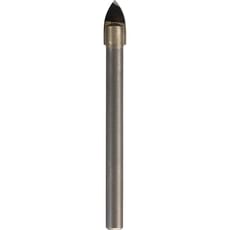
Stanley has built a formidable reputation over more than a century of tool manufacturing, and their glass and tile drill bits exemplify the precision engineering and reliability that professionals have come to expect from this iconic brand. Designed specifically for drilling through brittle materials like ceramic tiles, porcelain, glass, and marble, Stanley glass and tile drill bits combine specially formulated carbide tips with innovative geometry to deliver clean, chip-free holes without cracking or shattering the workpiece.
The Stanley range available at Tooled-Up.com features spear-point and diamond-tipped designs that excel in different applications, from basic ceramic wall tiles through to dense porcelain floor tiles and even glass installations. Whether you're a bathroom fitter making precision holes for shower fixtures, a kitchen installer drilling through splashback tiles, or a glazier working with glass panels, Stanley's specialised bits provide the control and performance needed for professional results.
What distinguishes Stanley glass and tile drill bits from generic alternatives is their meticulous attention to heat management and friction reduction. The bits feature precision-ground tips that score the surface before penetrating, preventing the drill from wandering across glazed surfaces. This controlled entry point is crucial when working with expensive tiles or custom glass installations where mistakes can be costly.
Why Choose Stanley Glass & Tile Drill Bits?
Stanley's commitment to quality manufacturing ensures that each glass and tile drill bit meets exacting tolerances, with carbide tips that are brazed rather than simply glued, providing superior durability and heat resistance during extended use. The brand's heritage in precision tool manufacturing translates directly into bits that maintain their cutting edge significantly longer than budget alternatives, reducing the frequency of replacement and lowering overall project costs.
Professional tradespeople choose Stanley because the brand understands the real-world demands of site work. Their glass and tile bits are engineered to perform consistently across multiple materials, eliminating the need to carry multiple specialist bits for different tile types. The shanks are manufactured to precise tolerances, ensuring secure chuck grip and minimal wobble – critical factors when drilling through unforgiving materials where even slight vibration can cause cracking.
Stanley's reputation for standing behind their products gives tradespeople confidence when specifying tools for demanding installations. The company's extensive testing protocols mean that bits reaching the market have been proven in conditions that replicate professional use, not just laboratory settings. This real-world validation translates into fewer callbacks and higher customer satisfaction for trades relying on these tools daily.
Who Uses Stanley Glass & Tile Drill Bits?
- Bathroom fitters and plumbers drilling through ceramic and porcelain tiles for pipe penetrations, shower fixtures, and towel rail installations
- Kitchen installers creating precise holes in tiled splashbacks for electrical outlets, extractor ducting, and mounting brackets
- Tilers and wall and floor fitters who need reliable bits for both wall-mounted ceramic tiles and dense porcelain floor tiles
- Glaziers and shopfitters working with glass panels, mirrors, and display installations requiring clean, accurate holes
- Electricians drilling through tiled surfaces to install sockets, switches, and lighting fixtures in bathrooms and kitchens
- General builders and maintenance professionals requiring versatile bits for renovation and refurbishment projects
- Serious DIY enthusiasts tackling bathroom or kitchen renovations who want professional-quality results
Key Features of Stanley Glass & Tile Drill Bits
Stanley glass and tile drill bits incorporate several distinctive features that enhance their performance and longevity. The carbide tips are precision-ground to a specific angle that balances aggressive cutting with controlled penetration, preventing the bit from grabbing and potentially cracking the material. This geometry also facilitates effective heat dissipation, crucial when drilling through dense porcelain which generates significant friction.
The spear-point design featured in many Stanley glass and tile bits creates a scoring action that gradually widens the hole, reducing stress on the surrounding material. This approach is particularly effective on glazed ceramics where the hard surface layer can be prone to chipping. The bits' flute design efficiently evacuates dust and debris from the cutting zone, maintaining cutting performance and preventing heat buildup that can dull the tip or crack the tile.
Stanley engineers their glass and tile bits with universal 1/4-inch hex shanks or standard round shanks compatible with both corded drills and cordless drivers, providing versatility across tool platforms. The shanks feature secure grip zones that prevent slippage in the chuck during low-speed operation – essential for maintaining control when working with brittle materials. Many Stanley bits also incorporate depth markers or colour-coded bands to help tradespeople achieve consistent hole depths across multiple installations.
Popular Stanley Glass & Tile Drill Bits
The Stanley glass and tile drill bit range at Tooled-Up encompasses various sizes and configurations to suit different installation requirements. Smaller diameter bits, typically 4mm to 6mm, are ideal for pilot holes and fixing screws in tile, whilst medium sizes from 6mm to 10mm accommodate standard UK pipe penetrations and electrical box fixings. Larger diameter bits up to 12mm and beyond are specified for shower mixer installations and larger pipe work.
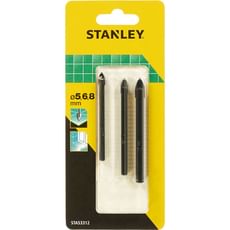
Stanley offers both individual bits for tradespeople who frequently use specific sizes and multi-piece sets that provide comprehensive coverage for varied projects. These sets typically include the most commonly specified sizes for bathroom and kitchen installations, packaged in durable cases that protect the delicate carbide tips during transport. Diamond-tipped variants in the Stanley range offer enhanced performance on extremely hard porcelain and natural stone tiles, representing the premium option for demanding professional applications.
Safety and Compliance
When using Stanley glass and tile drill bits, adherence to Health and Safety Executive (HSE) guidelines for working with power tools is essential. Always wear appropriate eye protection, as drilling through tiles and glass can generate fine particles and, in rare cases, small fragments. Ensure the workpiece is properly supported and secured to prevent movement during drilling, which could cause the bit to bind or the material to crack.
Stanley recommends operating glass and tile drill bits at low speeds, typically 500-1000 RPM, with minimal pressure – allowing the carbide tip to cut rather than forcing penetration. When using cordless drills, select low-speed settings or use the drill's adjustable clutch to prevent sudden grabbing. Light lubrication with water during drilling helps cool the bit and flush debris, significantly extending bit life and improving hole quality. Always inspect bits before use for damage to the carbide tip, replacing any that show chips or excessive wear to maintain safe, effective operation.
Frequently Asked Questions
What makes Stanley glass and tile drill bits different from standard masonry bits?
Stanley glass and tile drill bits feature specialised carbide or diamond tips with specific geometries designed for brittle materials. Unlike masonry bits which use a percussive hammering action, glass and tile bits employ a grinding/scoring action that prevents cracking and chipping. The tip angles and flute designs are optimised for low-speed operation without hammer function, which would shatter tiles and glass instantly.
Can Stanley glass and tile drill bits be used on porcelain tiles?
Yes, Stanley glass and tile drill bits are specifically engineered to handle porcelain tiles, including dense porcelain floor tiles which are among the hardest ceramic materials. For extremely hard porcelain or large-diameter holes, Stanley's diamond-tipped variants offer superior performance and longevity. Always use appropriate speed settings and water lubrication when drilling porcelain to maximise bit life and hole quality.
How do I prevent tiles from cracking when drilling with Stanley bits?
Success depends on technique as much as bit quality. Use low drill speeds (500-1000 RPM), apply minimal pressure, and let the bit do the work. Start perpendicular to the surface to establish the hole, and consider applying masking tape over the drilling point to prevent the bit from wandering on glazed surfaces. Keep the bit and tile cool with water lubrication, and ensure the tile is properly supported from behind to prevent flexing.
How long do Stanley glass and tile drill bits typically last?
Bit longevity depends on usage conditions, but Stanley bits used correctly with appropriate speeds and lubrication can drill dozens of holes in ceramic tiles or 15-30 holes in dense porcelain before requiring replacement. Professional tradespeople often find Stanley bits outlast budget alternatives by a factor of two or three, making them more economical despite higher initial cost. Always clean and properly store bits between uses to maximise their working life.
Are Stanley glass and tile drill bits suitable for natural stone?
Stanley glass and tile drill bits can handle softer natural stones like marble and limestone effectively. For harder stones such as granite or engineered stone, diamond-tipped variants within the Stanley range provide better performance and durability. Always test on an inconspicuous area first, use abundant water lubrication, and expect slower progress than with manufactured tiles due to the variable density and structure of natural stone materials.