

Stanley Jigsaw Blades

 Loading...
End of content
Error - No more pages to load
Stanley Jigsaw Blades at Tooled-Up.com
Stanley has been a trusted name in cutting tools and accessories for over 175 years, and their jigsaw blades continue this legacy of quality and innovation. Engineered to deliver precision cuts across a wide range of materials, Stanley jigsaw blades combine robust construction with advanced tooth geometry to meet the demanding requirements of both professional tradespeople and dedicated DIY enthusiasts. Whether you're working with timber, metal, plastic, or composite materials, Stanley's comprehensive blade selection ensures you have the right tool for every cutting application.
The Stanley jigsaw blade range at Tooled-Up showcases the brand's commitment to delivering reliable performance and exceptional value. Each blade is manufactured to exacting standards, featuring hardened steel construction and optimised tooth designs that reduce vibration whilst maximising cutting efficiency. From fine finish blades for intricate scrollwork to aggressive fast-cut variants for heavy-duty applications, Stanley provides solutions that professional joiners, carpenters, and metal fabricators can depend on day after day.
Available from Tooled-Up.com, Stanley jigsaw blades are designed to fit all standard T-shank and U-shank jigsaw systems, ensuring compatibility with popular power tool brands. This versatility, combined with Stanley's reputation for consistent quality control, makes their blade range an essential addition to any professional toolkit or home workshop.
Why Choose Stanley Jigsaw Blades?
Stanley's heritage in precision cutting tools translates directly into their jigsaw blade offerings. The brand's rigorous quality assurance processes ensure that every blade meets strict performance criteria before reaching the market. Stanley blades are engineered with optimised tooth pitch and set angles that reduce splintering on both the upcut and downcut, delivering cleaner edges that require minimal finishing work – saving valuable time on every project.
Durability is a hallmark of Stanley jigsaw blades. High-carbon steel and bi-metal constructions provide excellent wear resistance, allowing blades to maintain their cutting edge through extended use. This longevity translates to better cost-effectiveness over time, as fewer blade changes mean less downtime and lower consumable costs. Stanley's heat-treatment processes further enhance blade life by reducing premature dulling and breakage, even when cutting through demanding materials like hardwoods, stainless steel, or fibreglass composites.
The brand's commitment to innovation is evident in their specialised blade designs. Stanley produces blades optimised for specific applications – from reverse-tooth blades that minimise top-surface splintering on laminated materials, to progressive tooth patterns that provide both fast cutting speeds and smooth finishes. This attention to application-specific performance ensures that professionals and enthusiasts alike can achieve superior results across diverse cutting tasks.
Who Uses Stanley Jigsaw Blades?
- Carpenters and Joiners – For precision cuts in timber, MDF, and engineered wood products during furniture making and installation work
- Kitchen Fitters – For cutting worktop penetrations, scribing to walls, and trimming laminated panels
- General Builders – For versatile cutting tasks across construction and renovation projects
- Metal Fabricators – For cutting sheet metal, steel profiles, and non-ferrous materials
- Shopfitters – For precise cuts in retail display construction and installation
- Maintenance Engineers – For repair and modification work across industrial facilities
- Cabinet Makers – For intricate cuts and detailed joinery in bespoke furniture production
- DIY Enthusiasts – For home improvement projects requiring reliable, professional-quality cutting performance
- Flooring Specialists – For trimming laminate and engineered flooring around obstacles
Key Features of Stanley Jigsaw Blades
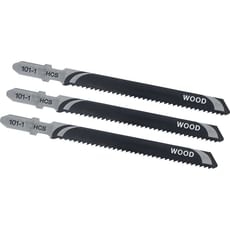
Universal Shank Compatibility: Stanley produces blades in both T-shank and U-shank configurations, ensuring compatibility with virtually all jigsaw models from major manufacturers. This standardisation simplifies blade selection and inventory management for busy tradespeople.
Material-Specific Designs: The range includes dedicated blades for wood, metal, plastic, and composite materials. Each blade type features optimised tooth geometry, pitch, and set angles specifically engineered for the material being cut, delivering superior performance compared to general-purpose alternatives.
High-Carbon Steel Construction: Stanley's high-carbon steel (HCS) blades offer exceptional flexibility and durability when cutting softer materials like wood and plastic. This construction prevents brittle breakage whilst maintaining sharp cutting edges through extended use.
Bi-Metal Technology: For demanding applications involving metal and abrasive materials, Stanley's bi-metal blades combine flexible spring steel bodies with high-speed steel cutting edges. This dual-material construction provides the perfect balance of flexibility and edge retention.
Progressive Tooth Patterns: Many Stanley blades feature progressive tooth spacing that begins with finer teeth for clean entry cuts and transitions to more aggressive patterns for faster throughput. This design reduces vibration and delivers smoother cutting action across the entire blade length.
Clear Blade Markings: Each Stanley jigsaw blade is clearly marked with material suitability, tooth pitch, and application recommendations, enabling quick blade selection on busy job sites without referring to packaging or documentation.
Popular Stanley Jigsaw Blades
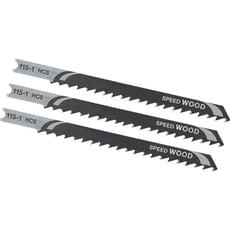
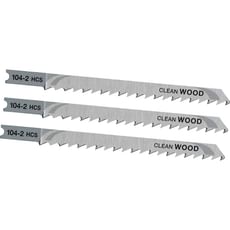
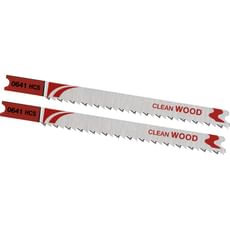
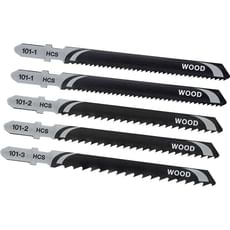
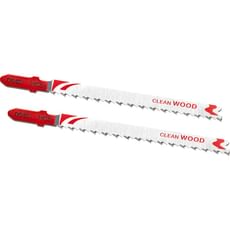
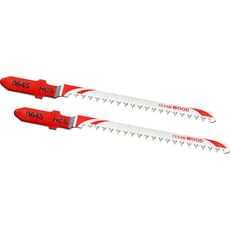
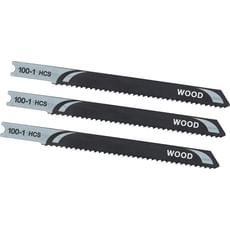
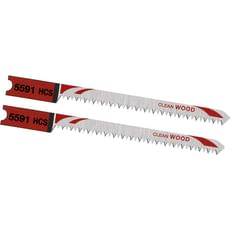
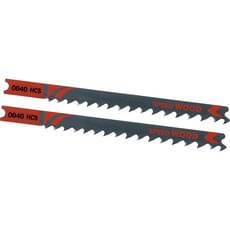
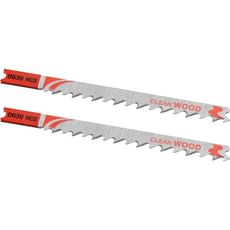
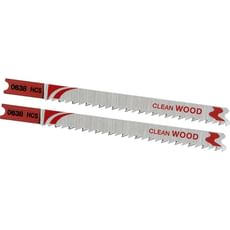
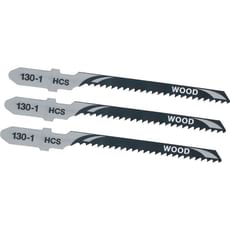
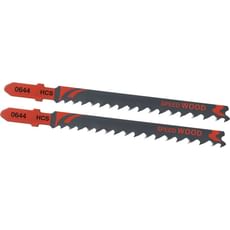
Wood Cutting Blades: Stanley's timber-cutting range includes fast-cut blades with aggressive tooth patterns for rapid stock removal in construction work, alongside fine-finish blades featuring tighter tooth spacing for furniture-quality edges. Clean-cut variants minimise splintering on veneered and laminated boards, making them ideal for kitchen fitting and cabinet work.
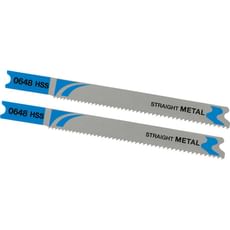
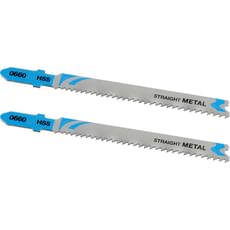
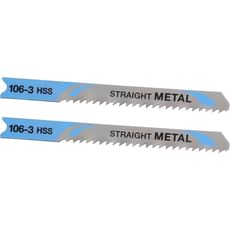
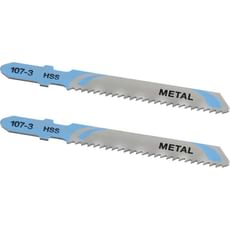
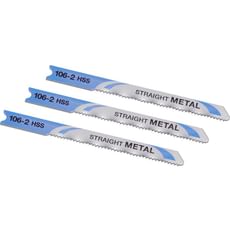
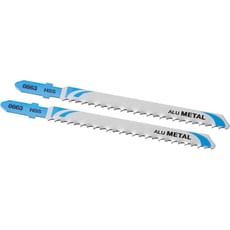
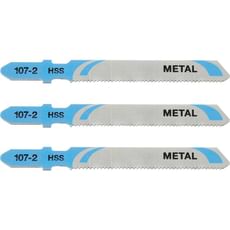
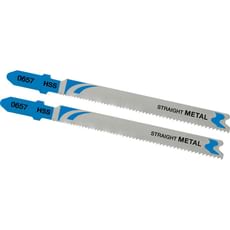
Metal Cutting Blades: The metal-cutting selection spans from fine-tooth blades for thin sheet materials to robust variants capable of tackling steel profiles up to 10mm thick. Bi-metal construction ensures these blades withstand the heat and stress of metal cutting without premature failure.
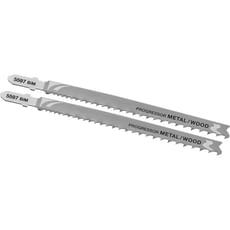
Multi-Material Blades: Stanley's versatile multi-material blades feature tungsten carbide grit or specially hardened teeth that can tackle wood containing nails, fibreglass, plastics, and even ceramic tiles. These blades are invaluable for renovation work where material composition may be unknown or varied.
Speciality Blades: The range includes reverse-tooth blades that cut on the downstroke to eliminate top-surface splintering, scrolling blades with narrow profiles for tight radius curves, and plunge-cutting blades designed for making initial penetrations without pilot holes.
Safety and Compliance
Stanley jigsaw blades are manufactured to comply with relevant UK and European safety standards, ensuring safe operation when used correctly with properly maintained power tools. Always ensure blades are securely clamped in the jigsaw chuck before operation, and verify that the blade type matches both the material being cut and the jigsaw's speed capabilities.
When working with Stanley jigsaw blades, appropriate personal protective equipment is essential. Safety glasses or goggles protect against flying debris, whilst hearing protection should be worn during extended cutting sessions. Dust masks or respirators are recommended when cutting materials that produce fine particulates, particularly MDF, which generates respiratory hazards covered under COSHH regulations.
Inspect blades before each use for signs of damage, excessive wear, or bent teeth. Damaged blades should be discarded immediately as they can cause poor cutting performance, increased vibration, and potential breakage during operation. Always disconnect power tools from electrical supply or remove batteries before changing blades, and allow recently used blades to cool before handling, as friction generates considerable heat during cutting operations.
Store Stanley jigsaw blades in their original packaging or a dedicated blade case to protect cutting edges from damage and prevent accidental contact injuries. Keep blades in dry conditions to prevent corrosion, which can compromise cutting performance and structural integrity.
Frequently Asked Questions
Are Stanley jigsaw blades compatible with all jigsaw brands?
Stanley produces blades in both T-shank (universal fitting) and U-shank configurations. T-shank blades fit virtually all modern jigsaws from brands including Bosch, DeWalt, Makita, and Festool. U-shank blades suit older jigsaw models with screw-clamp blade retention systems. Always verify your jigsaw's shank type before purchasing blades.
How do I choose the right Stanley blade for my material?
Stanley clearly marks each blade with material suitability and application recommendations. For wood, select blades based on desired finish quality – coarse teeth (4-6 TPI) for fast rough cuts, fine teeth (10-12 TPI) for smooth edges. Metal cutting requires bi-metal blades with 18-24 TPI. For mixed materials or demolition work, choose Stanley's multi-material carbide-grit blades.
How long should a Stanley jigsaw blade last?
Blade life depends on material hardness, cutting technique, and jigsaw settings. In softwood, a quality Stanley blade may complete 20-30 metres of cutting. Harder materials like steel or hardwood reduce lifespan considerably. Replace blades when cutting speed decreases noticeably, excessive burning occurs, or edge quality deteriorates, as worn blades stress the jigsaw motor and produce poor results.
Can Stanley wood-cutting blades be used on metal?
No, wood-cutting blades should never be used on metal. High-carbon steel wood blades lack the hardness required for metal cutting and will dull immediately or break. Always use dedicated bi-metal blades for ferrous and non-ferrous metals. Using incorrect blade types poses safety risks and damages both the blade and workpiece.
What's the difference between Stanley's standard and bi-metal blades?
Standard high-carbon steel (HCS) blades offer flexibility and cost-effectiveness for wood and plastic cutting but lack durability in harder materials. Bi-metal blades combine flexible spring steel bodies with high-speed steel cutting edges, providing superior edge retention and heat resistance for metal cutting and abrasive materials. Bi-metal construction significantly extends blade life in demanding applications, justifying the higher initial cost through reduced replacement frequency.