

Stanley Knife Blades
 Loading...
End of content
Error - No more pages to load
Stanley Knife Blades at Tooled-Up.com
Stanley has been synonymous with cutting innovation since 1843, and their knife blades remain the gold standard for tradespeople and DIY enthusiasts across the UK. The Stanley knife blade range available at Tooled-Up.com represents over 175 years of engineering excellence, combining hardened steel construction with precision-ground edges that deliver consistently clean cuts across countless materials. From heavy-duty trimming blades designed for carpet and roofing felt to fine-point hobby blades for detailed craft work, Stanley's comprehensive selection ensures there's a blade engineered specifically for every cutting task.
What sets Stanley knife blades apart is their commitment to manufacturing consistency and quality control. Each blade undergoes rigorous testing to ensure uniform thickness, sharpness, and durability, meaning professionals can rely on predictable performance from one blade to the next. Whether you're working with cardboard packaging, vinyl flooring, plasterboard, or insulation materials, Stanley blades maintain their cutting edge longer than budget alternatives, reducing downtime for blade changes and ultimately delivering better value per cut.
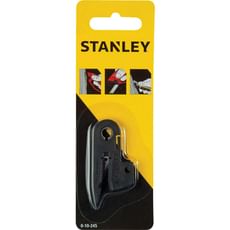
Tooled-Up stocks Stanley's complete range of utility knife blades, hook blades, heavy-duty blades, and specialist cutting solutions, all designed to fit Stanley's extensive family of knife handles and retractable utility knives. With various blade thicknesses, edge configurations, and pack quantities available, finding the right Stanley blade for your specific application has never been easier.
Why Choose Stanley Knife Blades?
Stanley's reputation in the cutting tool industry is built on decades of consistent quality and innovation. Their knife blades are manufactured from high-carbon steel that's heat-treated to achieve the optimal balance between hardness and flexibility, preventing the brittle fracturing that plagues inferior blades whilst maintaining a sharp cutting edge through extended use. This metallurgical expertise translates directly to safer, more efficient cutting with less force required and fewer blade changes throughout the working day.
The brand's commitment to backwards compatibility means Stanley blades work seamlessly with both current knife models and vintage tools that may have been in a tradesperson's kit for decades. This interchangeability, combined with Stanley's widespread availability and competitive pricing, makes them the pragmatic choice for professionals who need reliable performance without the premium price tag of boutique alternatives. Stanley also leads the industry in safety innovation, offering snap-off blade designs that provide fresh cutting edges without the hazards associated with traditional blade disposal, and clearly marked orientation indicators that reduce the risk of incorrect installation.
Who Uses Stanley Knife Blades?
Stanley knife blades are the cutting solution of choice for a diverse range of trades and applications:
- Carpet Fitters and Flooring Specialists – relying on hook blades and heavy-duty straight edges for precise cuts through tough backing materials
- Electricians – using Stanley blades to strip cable insulation and open packaging on site
- Plumbers and Heating Engineers – cutting insulation, pipe lagging, and opening material deliveries
- Warehouse and Logistics Staff – processing hundreds of packages daily with blades that maintain sharpness
- Shopfitters and Carpenters – trimming laminate, veneer, and other finishing materials
- Roofers – cutting roofing felt, membrane, and insulation boards
- Decorators – scoring wallpaper, cutting masking tape, and preparing surfaces
- Model Makers and Craft Enthusiasts – requiring precision cuts in card, foam, and lightweight materials
- Retail and Hospitality – opening deliveries and breaking down cardboard for recycling
Key Features of Stanley Knife Blades
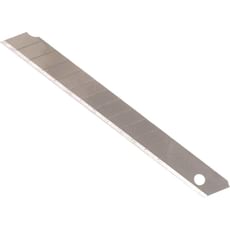
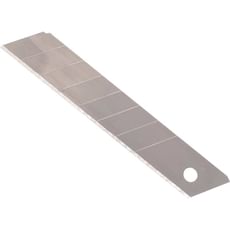
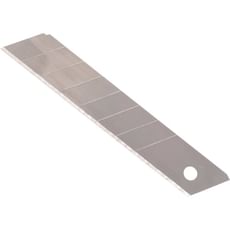
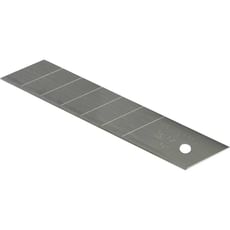
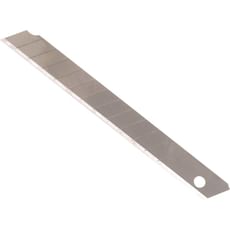
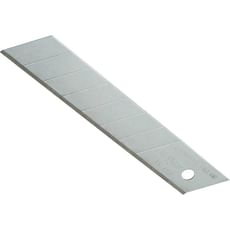
Stanley knife blades incorporate several distinctive features that enhance performance and user safety. The precision-ground cutting edges are honed to a consistent angle across the entire blade length, ensuring uniform cutting pressure and reducing material tearing. Many Stanley blades feature snap-off segment designs with clear break lines, allowing users to expose fresh cutting edges quickly without tools – typically offering eight to thirteen cutting positions per blade depending on the model.
The blades are manufactured with precisely controlled thickness tolerances, ensuring secure fitting in Stanley knife handles without wobble or play that could compromise cutting accuracy or user safety. Stanley's steel formulation resists corrosion better than uncoated alternatives, maintaining performance even in damp site conditions or when stored between jobs. Blades are clearly marked with orientation indicators and the Stanley brand name, preventing incorrect installation and providing assurance of genuine quality.
Heavy-duty Stanley blades feature increased thickness – typically 0.65mm compared to standard 0.38mm blades – providing the rigidity required for cutting through dense materials like linoleum, rubber, and multiple cardboard layers without flexing. Hook blade variants incorporate a curved cutting edge ideal for slicing carpets and roofing materials without damaging underlying surfaces, whilst scored blades offer easier snapping for controlled blade disposal.
Popular Stanley Knife Blades
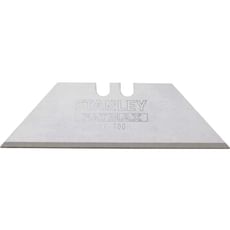
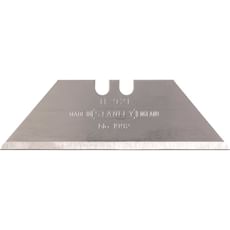
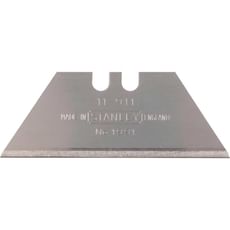
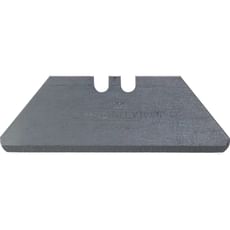
The Stanley 1992 Heavy Duty Knife Blades represent the workhorse of the range, offering 0.65mm thickness for demanding cutting applications where standard blades simply won't cope. Available in convenient dispenser packs, these blades fit all Stanley heavy-duty knife handles and are the preferred choice for flooring contractors and warehouse environments.
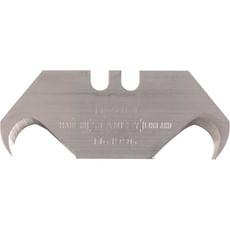
Stanley's 1996 Hook Blades feature a distinctive curved profile that's become the industry standard for carpet fitting and roofing work. The hooked edge cuts efficiently whilst minimising the risk of damaging surfaces beneath the material being cut, making them essential for professional installations. For general purpose cutting, Stanley's standard utility blades offer exceptional value, with multipacks providing cost-effective bulk purchasing for high-volume users.
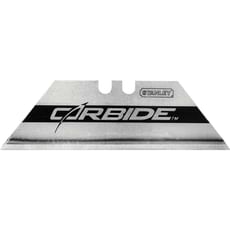
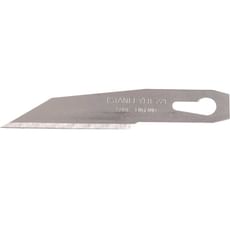
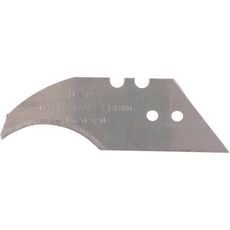
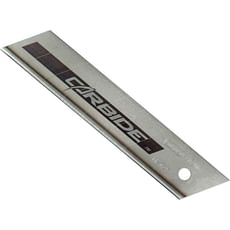
The Stanley FatMax range brings premium blade technology with enhanced durability and longer edge retention, whilst snap-off blades in 9mm, 18mm, and 25mm widths cater to applications ranging from precision craft work to heavy-duty site cutting. Specialist blades including concave, serrated, and rounded-tip variants address specific industry requirements, demonstrating Stanley's comprehensive approach to cutting solutions.
Safety and Compliance
Stanley knife blades are designed and manufactured to meet stringent UK and European safety standards, with blade thickness and break strength rigorously tested to prevent premature fracturing during use. The brand provides clear guidance on proper blade installation, usage, and disposal, helping employers meet their Health and Safety Executive (HSE) obligations regarding the provision and maintenance of cutting tools in the workplace.
Used blades should never be left exposed or discarded loose in general waste. Stanley recommends using dedicated blade disposal containers that prevent injury to cleaners and waste handlers – these sharps bins are widely available from Tooled-Up and comply with workplace safety regulations. When changing blades, always retract or shield the old blade before removal, and ensure new blades are securely locked in position before use.
Employers should provide appropriate training on knife usage, ensure workers select the correct blade type for each task, and maintain a schedule for regular blade replacement before excessive dulling leads to increased cutting force and higher injury risk. Stanley's consistent blade geometry and quality control support safer working practices by delivering predictable performance that tradespeople can rely on.
Frequently Asked Questions
How often should I change Stanley knife blades?
Replace Stanley blades as soon as you notice increased resistance during cutting or ragged edges on cut materials. For professional users making dozens of cuts daily, this might mean blade changes several times per day. Snap-off blades should have segments removed whenever cutting performance diminishes, whilst hook blades used for carpet fitting typically last for several square metres before requiring replacement. Using dull blades is dangerous as it requires excessive force and increases the likelihood of slips.
Are Stanley knife blades compatible with other brands of utility knives?
Stanley utility blades follow industry-standard dimensions and will generally fit most branded and unbranded utility knives that accept standard or heavy-duty blades. However, for optimal safety and performance, Stanley recommends using their blades with Stanley knife handles, as these are engineered together to provide secure blade retention and proper alignment. Some specialist Stanley blade profiles, particularly hook blades, may require specific handle designs.
What's the difference between standard and heavy-duty Stanley blades?
Heavy-duty Stanley blades measure approximately 0.65mm thick compared to standard blades at 0.38mm, providing significantly greater rigidity for cutting dense materials like rubber flooring, thick cardboard, and roofing felt. They require compatible heavy-duty knife handles with wider blade channels. Standard blades offer sufficient performance for general packaging, paper, and thin plastic cutting, whilst heavy-duty versions are essential for trade applications involving tougher materials.
Can Stanley knife blades be sharpened and reused?
Whilst technically possible to sharpen Stanley blades, it's neither recommended nor practical. The cost of new blades is minimal compared to the time required for sharpening, and attempting to sharpen used blades rarely achieves the precision-ground edge quality of factory-fresh blades. Snap-off blade designs specifically eliminate the need for sharpening by providing multiple fresh edges. For safety and efficiency, always replace dull blades rather than attempting to sharpen them.
How should I safely dispose of used Stanley knife blades?
Used Stanley blades are classified as sharps waste and must be disposed of in rigid, puncture-resistant containers specifically designed for this purpose. Never place loose blades in standard bins where they pose a serious injury risk to waste handlers. Many workplaces provide sharps disposal containers, or you can purchase dedicated blade disposal tins from Tooled-Up that safely store hundreds of used blades before sealed disposal. Some local authority recycling centres accept sealed sharps containers – check your council's specific guidance.