

Stanley Leather Gloves
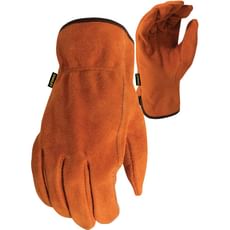
 Loading...
End of content
Error - No more pages to load
Stanley Leather Gloves at Tooled-Up.com
Stanley has been a trusted name in hand protection for decades, and their leather gloves continue to set the standard for durability, comfort and reliability across construction sites, workshops and industrial environments throughout the UK. Built on a heritage of quality craftsmanship, Stanley leather gloves combine traditional materials with modern ergonomic design to deliver protection that tradespeople can depend on day after day.
The Stanley leather gloves range available from Tooled-Up.com encompasses solutions for various applications, from general handling and construction work to precision tasks requiring enhanced dexterity. Each pair is engineered to provide the optimal balance between protection, grip and comfort, ensuring that professionals can work safely without compromising on performance. Whether you're handling rough materials, operating machinery or performing detailed assembly work, Stanley leather gloves offer the hand protection you need.
Stanley's commitment to quality means their leather gloves are manufactured using carefully selected hides and reinforced stitching techniques that resist wear in high-stress areas. This attention to detail ensures longevity, making Stanley leather gloves a cost-effective choice for tradespeople who demand equipment that can keep pace with demanding work schedules.
Why Choose Stanley Leather Gloves?
Stanley's reputation in the hand protection market is built on decades of understanding what tradespeople actually need from their safety equipment. Their leather gloves are designed with real-world applications in mind, tested in genuine working conditions to ensure they meet the rigorous demands of professional use. The brand's focus on durability means these gloves resist tearing, puncturing and abrasion far better than many alternatives on the market.
One of the standout benefits of Stanley leather gloves is their exceptional grip performance. The natural properties of quality leather provide superior tactile feedback and grip, even when handling oily or slightly damp materials. This reduces hand fatigue and improves control, which is essential for both safety and productivity on site. Additionally, leather naturally moulds to the shape of your hands over time, creating a personalised fit that enhances comfort during extended wear.
Stanley also prioritises breathability in their leather glove designs, helping to reduce perspiration build-up that can cause discomfort and slippage during long shifts. The combination of protective qualities and comfort features makes Stanley leather gloves a preferred choice for professionals who refuse to compromise on either safety or wearability.
Who Uses Stanley Leather Gloves?
Stanley leather gloves are the hand protection choice for a diverse range of professionals and trades across the UK, including:
- Construction workers handling bricks, blocks, timber and metal materials
- Carpenters and joiners requiring dexterity alongside protection from splinters and sharp edges
- Landscapers and groundsworkers dealing with thorny plants, stone and rough terrain
- Warehouse operatives moving stock and handling packaged goods
- Maintenance engineers working with machinery and metal components
- Agricultural workers managing livestock, fencing and farm equipment
- DIY enthusiasts tackling home improvement and garden projects
- Delivery drivers loading and unloading varied cargo
- Metal fabricators and welders requiring heat-resistant hand protection
Key Features of Stanley Leather Gloves
Stanley leather gloves incorporate several distinctive features that enhance their performance and longevity. Premium-quality leather construction forms the foundation, selected for its natural strength and flexibility. Reinforced palm and finger areas provide extra protection in high-wear zones, significantly extending the working life of each pair.
Many Stanley leather gloves feature ergonomic designs with pre-curved fingers that reduce hand fatigue by matching the natural resting position of the hand. This thoughtful engineering means less strain during repetitive tasks. Secure wrist closures, whether elasticated or adjustable, prevent debris from entering the glove whilst ensuring a snug fit that won't slip during use.
The leather used in Stanley gloves offers inherent abrasion resistance and puncture protection, whilst maintaining the flexibility needed for detailed work. Double and triple stitching in stress areas ensures seams won't fail under pressure, and many models include additional padding in key impact zones for enhanced protection against knocks and bumps.
Popular Stanley Leather Gloves
Tooled-Up stocks a carefully selected range of Stanley leather gloves to suit different applications and working conditions. General purpose leather work gloves remain consistently popular with construction professionals and DIY users alike, offering all-round protection for varied tasks. These versatile options typically feature full leather construction with reinforced palms.
For those requiring enhanced grip, Stanley offers leather gloves with textured palm surfaces or strategic padding that improves purchase on smooth materials. Heavy-duty rigger gloves from Stanley combine leather palms with protective cuffs, making them ideal for handling metal work, scaffolding and rough building materials. Precision work gloves with thinner, more supple leather cater to tradespeople who need maximum dexterity without sacrificing protection.
Safety and Compliance
Stanley leather gloves are manufactured to comply with relevant European EN standards for hand protection, ensuring they meet the safety requirements expected by UK tradespeople and employers. Different models offer varying levels of protection against mechanical risks including abrasion, cut, tear and puncture hazards, with performance levels clearly marked on compliant products.
When selecting leather gloves, it's important to match the protection level to your specific tasks and risk assessment requirements. The HSE recommends conducting proper hand protection assessments to ensure gloves are appropriate for the hazards present in your working environment. Stanley leather gloves should be inspected regularly for signs of wear, damage or deterioration, and replaced when protection is compromised.
Proper care extends the life of leather gloves—store them in a dry environment away from direct heat sources, and allow them to dry naturally if they become wet. Following manufacturer care instructions helps maintain both the protective qualities and comfort of your Stanley leather gloves throughout their working life.
Frequently Asked Questions
How long do Stanley leather gloves typically last?
The lifespan of Stanley leather gloves depends on usage intensity and working conditions, but with proper care, they typically outlast synthetic alternatives. For heavy daily use in construction environments, expect several months of reliable service, whilst occasional DIY users may find a pair lasting several years. Regular inspection for wear is essential to ensure continued protection.
Can Stanley leather gloves be used for welding?
Some Stanley leather gloves are specifically designed for welding applications, featuring heat-resistant leathers and extended cuffs for forearm protection. However, not all leather work gloves are suitable for welding—always check the product specifications and ensure gloves meet the appropriate EN standards for heat and flame resistance before use with hot work.
How should I care for my Stanley leather gloves?
Allow leather gloves to dry naturally if they become wet—never use direct heat sources like radiators or dryers, as this can cause leather to crack and stiffen. Store in a cool, dry place away from direct sunlight. Some users apply leather conditioner periodically to maintain suppleness, though this isn't essential for work gloves. Replace gloves when you notice significant wear, holes or compromised stitching.
Are Stanley leather gloves suitable for electrical work?
Standard Stanley leather work gloves are not rated for electrical insulation and should never be used as protection against electrical hazards. For electrical work, use gloves specifically designed and tested to BS EN 60903 standards for live working. Leather work gloves are appropriate for general electrical installation tasks where there's no risk of contact with live conductors.
What size Stanley leather gloves should I choose?
Stanley leather gloves are available in various sizes, typically ranging from small through to extra-large. To determine your size, measure around your hand at the widest part (excluding the thumb), then refer to the manufacturer's sizing chart. Gloves should fit snugly without restricting movement—too loose and you'll lose dexterity and grip, too tight and you'll experience discomfort and restricted circulation during extended wear.