

Stanley OMT Segment Saw Blades
 Loading...
End of content
Error - No more pages to load
Stanley OMT Segment Saw Blades at Tooled-Up.com
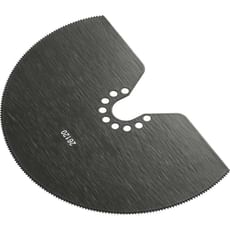
Stanley OMT (Oscillating Multi-Tool) segment saw blades represent a professional-grade solution for precise cutting applications across multiple materials. With over 175 years of tool manufacturing heritage, Stanley has developed a comprehensive range of segment saw blades specifically engineered for compatibility with oscillating multi-tools. These blades excel in plunge cutting, flush cutting, and detailed sectional work where traditional saws cannot reach.
The Stanley segment saw blade range available from Tooled-Up.com features advanced tooth geometries and specially formulated blade materials designed to deliver superior cutting performance in wood, plastic, metal, and composite materials. Stanley's segment design incorporates strategic tooth positioning that maximises cutting efficiency whilst minimising vibration and heat build-up during extended use. This engineering approach results in cleaner cuts, extended blade life, and reduced operator fatigue on demanding jobsites.
Whether tackling renovation work, precision carpentry, or intricate fitting tasks, Stanley OMT segment saw blades provide the versatility and reliability that professional tradespeople demand. Each blade undergoes rigorous quality control testing to ensure consistent performance across Stanley's exacting manufacturing standards.
Why Choose Stanley OMT Segment Saw Blades?
Stanley's reputation for durability and innovation extends throughout their OMT segment saw blade collection. The brand's commitment to research and development has resulted in blade designs that incorporate hardened cutting edges and optimised segment patterns, delivering exceptional material penetration and prolonged sharpness retention. Stanley blades consistently outperform generic alternatives in both cut quality and operational lifespan.
The precision manufacturing processes employed by Stanley ensure universal compatibility with standard oscillating multi-tool fitting systems, eliminating the frustration of poor blade retention or wobble during operation. Each segment saw blade features clearly marked material recommendations and safety guidance, helping tradespeople select the optimal blade for specific applications. Stanley's focus on user-centric design means these blades perform reliably under the demanding conditions encountered on professional worksites throughout the UK.
Furthermore, Stanley backs their OMT segment saw blades with comprehensive technical support and product information, giving tradespeople confidence in their tool investment. The brand's widespread recognition amongst construction professionals and DIY enthusiasts alike reflects decades of proven performance and genuine value for money.
Who Uses Stanley OMT Segment Saw Blades?
Stanley OMT segment saw blades serve a diverse range of professional tradespeople and applications:
- Carpenters and joiners requiring precise cuts in skirting boards, architraves, and door frames
- Kitchen and bathroom fitters performing detailed cutting work around pipes and fixtures
- Flooring specialists executing clean cuts in laminate, engineered wood, and underlay materials
- General builders tackling renovation projects requiring flush cutting and material removal
- Window fitters trimming sills, frames, and sealant with minimal disruption
- Plumbers accessing pipework through precise sectional cuts in panels and boards
- Electricians creating access points for cable routing and outlet installation
- Maintenance professionals conducting repair work in restricted spaces
- DIY enthusiasts undertaking home improvement projects requiring professional-quality results
Key Features of Stanley OMT Segment Saw Blades
Stanley OMT segment saw blades incorporate several distinguishing features that enhance cutting performance:
- Segmented tooth design – Strategic spacing reduces friction and prevents material binding during cutting operations
- Hardened cutting edges – Extended blade life through advanced heat treatment processes
- Universal fitment system – Compatible with standard oscillating multi-tool mounting platforms
- Optimised blade geometry – Precisely calculated tooth angles for efficient material removal
- Application-specific variants – Specialised blades for wood, metal, plastic, and multi-material cutting
- Clear material markings – Easy blade identification for rapid selection on busy worksites
- Vibration-reducing design – Balanced construction minimises operator fatigue during extended use
- Corrosion-resistant coating – Enhanced durability when working in damp or exterior conditions
Popular Stanley OMT Segment Saw Blades
The Stanley OMT segment saw blade collection at Tooled-Up encompasses various blade configurations tailored to specific cutting requirements. Wood-cutting segment blades feature aggressive tooth patterns optimised for rapid material removal in softwood and hardwood applications, whilst maintaining clean cut edges suitable for visible finished work.
Bi-metal segment saw blades combine flexible backing material with hardened cutting teeth, delivering exceptional performance when cutting metal pipes, fixings, and hardware. These blades resist breakage when encountering nails, screws, or other fasteners hidden within renovation projects. Multi-material segment blades provide versatility for tradespeople working across diverse materials, eliminating the need for frequent blade changes during varied cutting tasks.
Precision segment blades with finer tooth spacing deliver exceptionally smooth cuts in delicate materials including plastics, laminates, and composite panels where surface finish quality is paramount. Stanley also offers extended-length segment blades for applications requiring deeper cutting capacity in thicker materials.
Safety and Compliance
Stanley OMT segment saw blades comply with relevant UK and European safety standards for power tool accessories. Always ensure blades are correctly fitted and fully secured before operating oscillating multi-tools. Wear appropriate personal protective equipment including safety glasses and dust masks when cutting, particularly with materials that generate fine particles or dust.
Inspect segment saw blades before each use for signs of damage, excessive wear, or missing teeth. Damaged blades should be immediately replaced to prevent potential breakage during operation. Always disconnect power tools from their power source before changing blades. Follow HSE guidance regarding power tool safety and ensure adequate ventilation when cutting materials that may release harmful dust or fumes.
Select segment saw blades specifically rated for the material being cut, as using inappropriate blades increases the risk of blade failure or poor cutting performance. Store Stanley blades in their original packaging or a dedicated blade case to protect cutting edges from damage and maintain optimal performance.
Frequently Asked Questions
Are Stanley OMT segment saw blades compatible with all oscillating multi-tool brands?
Stanley OMT segment saw blades feature universal fitment systems compatible with most standard oscillating multi-tools. However, always verify compatibility with your specific tool model before purchase, as some proprietary mounting systems may require brand-specific accessories.
How long do Stanley segment saw blades typically last?
Blade lifespan depends on material hardness, cutting frequency, and application demands. When used correctly for appropriate materials, Stanley segment saw blades deliver significantly extended service life compared to economy alternatives, often lasting through multiple projects before requiring replacement.
Can I use wood-cutting segment blades on metal materials?
No. Always use application-specific blades matched to the material being cut. Wood-cutting blades lack the hardness required for metal cutting and will rapidly dull or damage. Conversely, metal-cutting blades prove inefficient for wood applications. Multi-material blades offer versatility across various materials.
What's the difference between segment saw blades and standard oscillating blades?
Segment saw blades feature strategically spaced cutting teeth that reduce friction and material binding during cutting operations. This design proves particularly effective for plunge cutting and working with thicker materials, whilst standard blades may suit finer detailed work or scraping applications.
How do I maintain Stanley OMT segment saw blades for optimal performance?
Clean blades after each use to remove accumulated resin, dust, or material debris. Store blades in protective packaging to prevent damage to cutting edges. Avoid forcing blades through materials, as excessive pressure accelerates wear and may cause premature failure. Replace blades showing visible wear or reduced cutting efficiency.