

Stanley Precision Knives
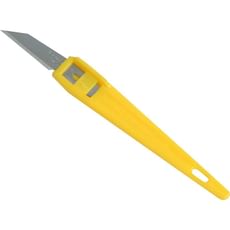
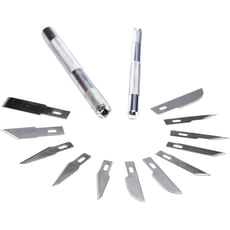
 Loading...
End of content
Error - No more pages to load
Stanley Precision Knives at Tooled-Up.com
Stanley has built an unrivalled reputation over more than 175 years of manufacturing excellence, and their precision knives exemplify the brand's commitment to quality, innovation, and professional-grade performance. The Stanley precision knife range at Tooled-Up.com represents the perfect marriage of ergonomic design and cutting-edge blade technology, delivering tools that professionals and enthusiasts alike can depend on for accuracy, control, and longevity.
From classic retractable utility knives to sophisticated fixed-blade precision cutters, Stanley precision knives are engineered to handle the most demanding cutting applications across multiple industries. Each knife incorporates Stanley's legendary attention to detail, featuring comfortable grips, secure blade locking mechanisms, and compatibility with a wide range of premium blade options. Whether you're scoring plasterboard, trimming laminate flooring, cutting vinyl graphics, or performing intricate craft work, Stanley precision knives deliver consistent, clean cuts every time.
The range available from Tooled-Up includes Stanley's iconic FatMax precision knives with their distinctive bi-material handles, compact snap-off blade knives for detailed work, and heavy-duty fixed-blade models built for the toughest site conditions. Stanley's commitment to user safety is evident throughout their precision knife collection, with features like automatic blade retraction, safe blade storage compartments, and anti-slip grip surfaces that maintain control even in challenging environments.
Why Choose Stanley Precision Knives?
Stanley's heritage as a pioneer in cutting tool innovation makes them the natural choice for professionals who refuse to compromise on quality. Their precision knives incorporate decades of research and development, resulting in tools that balance exceptional cutting performance with long-term durability. Stanley's rigorous quality control standards ensure that every knife leaving their facilities meets exacting specifications for blade alignment, mechanism reliability, and ergonomic comfort.
The brand's commitment to continuous improvement means Stanley precision knives benefit from ongoing refinements based on real-world feedback from tradespeople across the globe. Features like their patented blade locking systems, optimised blade angles, and anti-fatigue handle designs aren't marketing gimmicks – they're practical solutions to genuine challenges faced on job sites every day. Stanley also maintains excellent blade availability, ensuring you can source compatible replacement blades quickly and affordably, which reduces downtime and maintains consistent cutting performance.
Durability is another hallmark of Stanley precision knives. These aren't disposable tools that fail after light use; they're engineered for years of professional service. Stanley uses premium materials including hardened steel components, reinforced polymers, and corrosion-resistant finishes that stand up to harsh environments, from dusty construction sites to humid workshops. The brand's reputation means you're investing in tools that retain their value and performance long after cheaper alternatives have been consigned to the skip.
Who Uses Stanley Precision Knives?
Stanley precision knives serve an incredibly diverse user base across numerous trades and applications:
- Carpet and flooring fitters who require clean, precise cuts through carpets, vinyl, and underlay materials
- Electricians cutting cable sheathing, trimming insulation, and scoring cable trunking
- Plumbers working with pipe insulation, sealing materials, and packaging
- Plasterers and drywall installers scoring plasterboard and cutting mesh reinforcement
- Shop fitters and joiners trimming laminate, veneer, and edging materials
- Sign makers and graphic designers performing detailed cutting of vinyl, card, and mounting materials
- Warehouse operatives and logistics professionals opening packaging and breaking down cardboard
- Model makers and craft enthusiasts requiring surgical precision for detailed work
- Painters and decorators cutting wallpaper, removing old sealant, and preparing surfaces
- General maintenance technicians who need versatile cutting tools for varied applications
Key Features of Stanley Precision Knives
Stanley precision knives incorporate numerous innovative features that enhance cutting performance, user safety, and tool longevity. Their ergonomic handle designs feature bi-material construction with soft-grip inserts that reduce hand fatigue during extended use whilst maintaining positive control. The handles are carefully contoured to fit naturally in the hand, distributing pressure evenly and preventing the hot spots that can develop with poorly designed knives.
Blade locking mechanisms represent some of Stanley's most significant innovations. Their precision knives feature secure, positive locks that prevent blade movement during cutting operations, eliminating the dangerous blade slip that plagues inferior designs. Many models incorporate tool-free blade changing systems that allow rapid blade replacement without fumbling for screwdrivers or risking finger injuries. Stanley's retractable models often include multiple blade position settings, allowing users to extend only the blade length required for optimal control and safety.
Material selection is critical to Stanley's performance advantage. Their precision knife bodies utilise impact-resistant polymers and die-cast metal components that withstand drops, crushing forces, and the general abuse of professional environments. Blade compatibility is another key consideration – Stanley precision knives accept a wide variety of blade types including standard utility blades, hook blades, snap-off segments, and specialised cutting edges for specific materials.
Safety features are integral to every Stanley precision knife design. Many models incorporate automatic blade retraction that instantly withdraws the blade when pressure is released, virtually eliminating accidental cuts. Integrated blade storage compartments keep spare blades secure and immediately accessible, whilst blade disposal slots allow safe disposal of used blades without handling sharp edges. These thoughtful details demonstrate Stanley's understanding of real-world working conditions where safety cannot be an afterthought.
Popular Stanley Precision Knives
The Stanley precision knife range encompasses several distinct categories, each optimised for specific applications. The FatMax retractable knife series represents Stanley's flagship precision cutting platform, featuring robust construction, comfortable oversized grips, and reliable blade locking mechanisms suited to heavy-duty professional use. These knives excel in construction environments where durability and cutting power are paramount.
Stanley's fixed-blade utility knives offer uncompromising rigidity for applications requiring maximum control and cutting force. Without moving parts to wear or fail, these knives deliver consistent performance in the most demanding conditions, making them favourites among carpet fitters, roofers, and other trades where blade stability is critical. The quick-change blade systems allow rapid blade replacement, minimising downtime on busy jobs.
Snap-off blade knives in the Stanley range provide exceptional versatility for detailed work. As blade sections dull, users simply snap off the compromised segment to reveal a fresh, sharp edge – no blade changes required until the entire blade is consumed. This design is particularly popular with sign makers, graphic designers, and model makers who require consistently sharp cutting edges for precision work.
Stanley's compact precision knives cater to users requiring enhanced manoeuvrability in confined spaces or for intricate cutting tasks. These scaled-down designs retain the quality construction and safety features of their full-sized counterparts whilst offering improved control for detailed operations. They're ideal for electrical work, craft applications, and any task where a full-sized utility knife would be cumbersome.
Safety and Compliance
Whilst precision knives don't require electrical certification, Stanley ensures their cutting tools comply with relevant UK and European safety standards for hand tools. The brand's commitment to user safety extends beyond regulatory compliance to encompass practical design features that reduce injury risk in real-world applications. All Stanley precision knives incorporate blade guards, secure locking mechanisms, and ergonomic designs that promote safe handling practices.
Users should familiarise themselves with HSE guidance on safe knife use in the workplace, which emphasises the importance of selecting appropriate cutting tools for specific tasks, maintaining sharp blades to reduce required cutting force, and using knives with effective blade guards. Stanley precision knives are designed to support these safety principles through their thoughtful feature sets and reliable construction. Always cut away from your body, maintain awareness of hand and finger positions, and retract or shield blades immediately after use.
Proper blade disposal is an often-overlooked safety consideration. Stanley addresses this through integrated blade disposal slots in many of their precision knife models, allowing users to safely dispose of used blades without handling sharp edges. When these features aren't available, used blades should be placed in designated sharps containers – never loose in general waste where they pose risks to waste handlers. Regular inspection of knife mechanisms ensures locking systems remain reliable and handles haven't developed cracks that could fail under load.
Frequently Asked Questions
What types of blades fit Stanley precision knives?
Stanley precision knives are designed to accept industry-standard blade formats, with most retractable models using standard utility knife blades measuring 0.6mm thickness and 19mm width. Many Stanley knives also accommodate hook blades, concave blades, and other specialised cutting edges. The Stanley brand manufactures a comprehensive range of replacement blades optimised for different materials including standard carbon steel, bi-metal construction for enhanced durability, and carbide-edged blades for abrasive materials. Always verify blade compatibility for your specific knife model, though Stanley's adherence to industry standards ensures broad compatibility across their range.
How often should I change the blade in my Stanley precision knife?
Blade change frequency depends on cutting volume and material hardness, but a useful rule is to replace blades as soon as you notice increased cutting resistance or ragged cut edges. Dull blades require excessive force, which increases injury risk and produces poor results. For professional tradespeople cutting abrasive materials like carpet backing or fibreglass, daily blade changes aren't uncommon. Snap-off blade knives extend usable life by providing multiple fresh cutting edges from a single blade. Stanley's high-quality blades maintain their edges longer than economy alternatives, reducing change frequency and overall cost despite higher initial prices.
Are Stanley precision knives suitable for left-handed users?
Most Stanley precision knives feature ambidextrous designs that work equally well for left and right-handed users. The symmetrical handle profiles and centrally-positioned blade locks accommodate either hand orientation comfortably. Some specialised models with offset handles or side-mounted controls may favour right-handed use, but the vast majority of Stanley's precision knife range is designed for universal use. Left-handed tradespeople will find Stanley knives comfortable and controllable, with blade visibility and lock access matching that available to right-handed users.
Can Stanley precision knives be used for cutting electrical cable?
Stanley precision knives excel at cutting cable sheathing, insulation, and similar materials, making them valuable tools for electricians. However, users must exercise extreme caution to avoid nicking conductor cores when removing cable jackets, as damaged conductors create serious safety hazards. For stripping cable sheathing, use shallow blade extension and light pressure, allowing the blade to score rather than slice through the insulation. Many electricians prefer Stanley's hook blade variants for this application, as the curved cutting edge naturally lifts away from conductors. Never use precision knives on live electrical circuits – always isolate and verify circuits are dead before any cutting work.
What's the difference between Stanley's standard and FatMax precision knives?
Stanley's FatMax range represents their premium precision knife offering, featuring enhanced durability, improved ergonomics, and advanced functionality compared to standard models. FatMax knives typically incorporate larger, more comfortable bi-material handles with superior grip texture, more robust internal mechanisms with tighter tolerances, and additional features like integrated blade storage and multiple blade position settings. The FatMax construction uses heavier-gauge materials throughout, making these knives significantly more durable in demanding professional applications. Whilst standard Stanley precision knives offer excellent value and reliability for general use, FatMax models justify their premium pricing for tradespeople who use cutting tools intensively and require maximum longevity and performance.