

Stanley Rotary Brushes
 Loading...
End of content
Error - No more pages to load
Stanley Rotary Brushes at Tooled-Up.com
Stanley has long been recognised as a cornerstone brand in the tool industry, and their rotary brushes continue this tradition of reliability and professional performance. Designed for use with rotary tools, die grinders, and drill attachments, Stanley rotary brushes deliver consistent cleaning, deburring, and surface preparation results across a wide range of applications. Whether you're removing rust and corrosion, preparing metal surfaces for welding, or cleaning hard-to-reach areas, these precision-engineered accessories provide the durability and effectiveness that professionals demand on site.
The Stanley rotary brush range encompasses various wire configurations, including crimped wire, twisted knot, and cup designs, each optimised for specific materials and surface finishing requirements. Manufactured to exacting standards, these brushes feature securely anchored bristles that resist premature shedding, ensuring both safety and sustained performance throughout their working life. Stanley's commitment to quality means that tradespeople can rely on these accessories to maintain their aggressive cutting action even under demanding conditions, making them ideal for both workshop and on-site applications.
Available from Tooled-Up.com, Stanley rotary brushes are engineered to fit standard arbor sizes, ensuring compatibility with a wide range of power tools from various manufacturers. This versatility makes them an essential addition to any professional toolkit, providing cost-effective solutions for surface preparation tasks that would otherwise require time-consuming manual methods.
Why Choose Stanley Rotary Brushes?
Stanley's reputation spans over 175 years of tool manufacturing excellence, and this heritage is evident in every rotary brush they produce. The brand's focus on practical innovation means their rotary brushes incorporate design features that directly address the challenges faced by working tradespeople. High-grade wire materials resist breakage and maintain their shape under continuous use, whilst carefully calculated wire densities ensure optimal surface contact without excessive material removal.
Quality control is central to Stanley's manufacturing process, with each batch of rotary brushes undergoing rigorous testing to ensure consistent performance characteristics. This attention to detail translates into accessories that deliver predictable results, allowing professionals to work with confidence and achieve uniform surface finishes across multiple workpieces. The Stanley name on a rotary brush signifies a product that has been engineered to meet the real-world demands of metalworking, automotive repair, fabrication, and maintenance applications.
Value is another compelling reason to choose Stanley rotary brushes. Whilst maintaining professional-grade quality standards, Stanley products are competitively priced, making them accessible to both established businesses and independent tradespeople who need reliable performance without premium price tags. This combination of proven reliability and sensible pricing has made Stanley a trusted choice across UK workshops and construction sites.
Who Uses Stanley Rotary Brushes?
- Metal fabricators and welders preparing surfaces and removing slag and spatter
- Automotive technicians and body repair specialists cleaning components and preparing panels
- Maintenance engineers removing corrosion and cleaning machinery parts
- General contractors and builders tackling restoration and renovation projects
- Agricultural and plant mechanics servicing and refurbishing equipment
- DIY enthusiasts undertaking metalwork and restoration projects at home
- Marine engineers addressing corrosion issues in harsh environments
- Pipefitters and plumbers preparing pipe ends and fittings
- Blacksmiths and metal artists creating specific surface textures and finishes
Key Features of Stanley Rotary Brushes
Stanley rotary brushes incorporate several distinctive features that enhance their performance and longevity. The wire materials are carefully selected to match specific applications, with options including carbon steel for general-purpose work, stainless steel for non-contaminating applications, and brass wire for softer materials where ferrous contamination must be avoided. Each wire type offers different working characteristics, allowing tradespeople to select the most appropriate brush for their specific requirements.
The construction method used in Stanley rotary brushes ensures secure wire retention throughout the product's service life. Whether employing crimped, twisted, or cup configurations, the manufacturing process creates robust anchoring that prevents premature wire loss, which is both a safety concern and a performance issue with inferior products. This reliable construction means fewer interruptions to change worn accessories and reduced risk of loose wires contaminating work areas.
Arbor compatibility is standardised across the Stanley rotary brush range, typically featuring 6mm shanks suitable for use in standard drill chucks and collets. This universal approach simplifies tool selection and ensures that professionals can use their existing power tools without requiring specialised adapters. Maximum operating speeds are clearly marked on each product, providing essential safety information that helps users match the brush to their equipment capabilities.
Popular Stanley Rotary Brushes
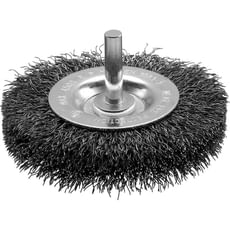
The Stanley rotary brush collection includes several popular configurations, each designed for specific applications. Crimped wire end brushes are amongst the most versatile options, ideal for general-purpose cleaning, light deburring, and surface preparation on flat and irregular surfaces. Their relatively flexible action makes them suitable for reaching into recesses and working around edges without causing excessive material removal.
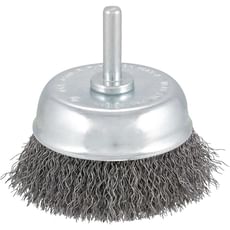
Cup brushes offer more aggressive cutting action and are particularly effective for preparing larger flat surfaces, removing heavy rust, and stripping paint or coatings. The perpendicular wire orientation provides maximum surface contact when used with angle grinders or drill attachments, making them efficient for productivity-focused applications. Twisted knot brushes deliver the most aggressive performance, tackling heavy-duty cleaning and preparation tasks where material removal and surface profiling are required.
Specialist brushes within the Stanley range address specific needs, including smaller diameter options for detailed work and larger formats for covering substantial surface areas quickly. This comprehensive selection ensures that professionals can find exactly the right tool for their particular requirements, whether they're working on delicate restoration projects or heavy industrial maintenance.
Safety and Compliance
When using Stanley rotary brushes, adherence to proper safety protocols is essential. Personal protective equipment should always include safety glasses or a face shield to protect against flying debris and broken wires, which can be ejected at high velocity during operation. Heavy-duty work gloves provide hand protection, whilst long sleeves prevent wire contact with exposed skin. Respiratory protection is advisable when working in enclosed spaces or when brush use generates significant dust or particle debris.
Stanley rotary brushes are manufactured to comply with relevant UK and European safety standards, including appropriate BS EN specifications for abrasive products. However, safe operation depends upon respecting maximum rated speeds marked on each product. Exceeding these speeds can cause wire breakage and brush disintegration, creating serious hazards. Users should always ensure their power tools are set to appropriate speeds and that the brush is securely mounted before operation.
The Health and Safety Executive (HSE) guidance on work equipment and abrasive wheels should be consulted for comprehensive safety information. Regular inspection of rotary brushes before use helps identify wear, damage, or deformation that might compromise safety. Brushes showing excessive wire loss, bent shanks, or other damage should be discarded immediately. Proper storage in dry conditions helps maintain product integrity and prevents corrosion of wire materials.
Frequently Asked Questions
What materials can Stanley rotary brushes be used on?
Stanley rotary brushes are suitable for various metals including steel, iron, aluminium, and brass, depending on the wire type selected. Carbon steel wire brushes work well on ferrous metals, whilst stainless steel options prevent contamination on stainless steel workpieces. Brass wire brushes are ideal for softer metals where scratching must be minimised. Always match the brush wire material to your workpiece for optimal results and to avoid contamination issues.
How do I choose the right Stanley rotary brush for my application?
Consider the material you're working on, the surface area size, and the aggressiveness required. End brushes suit general cleaning and reaching into corners, cup brushes are ideal for flat surface preparation, and twisted knot designs handle heavy-duty rust and coating removal. The Tooled-Up range includes detailed product specifications to help you select the most appropriate brush configuration for your specific requirements.
What speed should I run Stanley rotary brushes at?
Always observe the maximum RPM rating marked on each Stanley rotary brush, as exceeding this speed creates serious safety hazards. Typical rotary brushes operate safely between 4,500 and 15,000 RPM depending on their size and construction. When using variable speed tools, start at lower speeds to assess performance and increase gradually if needed, never exceeding the maximum rated speed. Consult your power tool's specifications to ensure compatibility.
How long do Stanley rotary brushes typically last?
Service life varies significantly based on application intensity, material hardness, and operating technique. Under normal use conditions for surface cleaning and light preparation, a quality Stanley rotary brush should provide several hours of productive work. More aggressive applications like heavy rust removal or weld cleaning will naturally reduce service life. Replace brushes when wire loss becomes excessive or when performance noticeably diminishes.
Can Stanley rotary brushes be used with cordless drills?
Yes, Stanley rotary brushes with standard 6mm shanks fit most cordless drill chucks and are suitable for many applications where mains-powered tools aren't practical. However, ensure your cordless drill has sufficient power and speed capability for the task. Some heavy-duty applications may require the sustained power delivery of 240v corded tools or dedicated die grinders. Always verify that your drill's maximum speed doesn't exceed the brush's rated speed, and be aware that aggressive brushing tasks will quickly deplete battery charge.